Showing posts with label Health At Every Size. Show all posts

Thursday, December 20, 2018

HAES Heroes: Joanne Ikeda

Joanne Pakel Ikeda
This post is to remember and honor one of our Health At Every Size® heroes.

Joanne Pakel Ikeda died on November 27, 2018 at age 74. She was a faculty member of the Nutritional Sciences Department at the University of California, Berkeley, for nearly 35 years. She helped students gain knowledge and skills in nutrition education and counseling.

She was well-known for her advocacy for the Health At Every Size model. In fact, she and Frances Berg coined the phrase. From her obituary:
Joanne was known for her role in the development of a new approach to weight management entitled Health at Every Size® (HAES). Mid-career she came to the conclusion that subjecting large people to food restriction, body dissatisfaction, and size discrimination was futile and only resulted in physical, psychological and social damage to these individuals. She and others determined that rather than focus on weight, the focus needed to be on health. Research showed that many large people could improve all aspects of health with lifestyle modifications unaccompanied by weight loss.
The idea to focus on health instead of weight was a radical, transformative notion in the field of nutrition and medicine and turned the field on its ear. While it has gained a great deal of traction, HAES sadly remains radical to many in those fields, but she never backed down. She was especially determined to protect children from becoming casualties in the “war on obesity” by promoting a Health at Every Size approach for them instead. Here is one of the posters she lent her support to.


Joanne fought hard for size acceptance for all ages and spoke at many conferences and other occasions about Health At Every Size. She worked with NAAFA (National Association for Fat Acceptance), which is where I met her. She helped establish ASDAH, the Association for Size Diversity and Health. She backed up her beliefs with action by testifying before the San Francisco Board of Supervisors about an ordinance banning size discrimination in employment, housing, adoptions, jury selection and other domains. That took guts.

Joanne did not just specialize in weight-related issues. She also studied the nutritional habits of various ethnic groups, immigrants, and low-income people in California and developed culturally sensitive nutrition education materials. She was a visionary in her field in many ways.

She accrued so many honors, I will only list a few here. She served as President of the California Academy of Nutrition and Dietetics, then was elected President of the Society for Nutrition Education and Behavior. She was co-founder of the UC Berkeley Center for Weight and Health. In 2018 she received the Helen Denning Ullrich Award for Lifetime Excellence in Nutrition Education.

I had the honor and pleasure of hearing Joanne speak in person and getting to chat with her afterwards. She was a warm, unassuming person, but she also knew her research and her points were evidence-based. She was very modest and humble but she also knew how to make a vehement rhetorical point when needed and wasn't hesitant to call out medical professionals on their assumptions and errors. She gave me lots of warmth and encouragement for my work on pregnancy in women of size, which was much appreciated as pregnancy is very much an overlooked area in HAES and size acceptance. As a parent, I particularly appreciated her advocacy for higher weight children in the midst of virulent anti-obesity public health campaigns.

Joanne Ikeda was a god-send to the size acceptance community and people of size, and we will sorely miss her presence and influence. Our hearts go out to her family and friends.


Resources

Obituary: https://www.legacy.com/obituaries/sfgate/obituary.aspx?n=joanne-ikeda&pid=190873802

Articles:

Thursday, September 20, 2018

Weight-Neutral PCOS Series: A Quick Guide


This blog has an ongoing series on Polycystic Ovarian Syndrome (PCOS). Because so much information has been gathered about it, I am putting up this Quick Guide to the PCOS Series so the information is more searchable and easier to use. Keep checking back periodically. More posts will be added as they are finished.

This PCOS series is unique on the internet because it is weight-neutral. 

There are many other sites with information on PCOS, but most emphasize weight loss or strict dietary restrictions as cornerstones of treatment. (More on that below.) This series does not push weight loss or a particular diet as a treatment, but rather discusses approaches that are not weight-centric. Weight loss as an approach is mentioned on occasion because doctors recommend it so often, but it is not promoted, and its pros and cons are critically examined. No one is shamed because they do or do not choose weight loss as a treatment.

I encourage you to review many different sites on PCOS and to think critically about the information you find from them. Ultimately your treatment choices are up to you.

In this PCOS series so far you will find an introduction to PCOS as a health concern:
Many people with PCOS have high levels of insulin, so one of the mainstays of treatment is to lower insulin levels. You will find a mini-series on insulin-sensitizing medications here, including:
Other hallmarks of PCOS include high levels of androgens (male hormones) and irregular periods. Therefore I also have information on medications for these things, including:
In addition, there are articles that discuss specific conditions associated with PCOS and the treatments available for them. This includes:
  • The risk for endometrial cancer with PCOS and the weight loss dilemma
  • Hirsutism (facial and body hair in PCOS women in typically "male" patterns) 
One of the least-discussed conditions associated with PCOS is Alopecia Androgenetica (AGA, also called female-pattern hair loss or FPHL). I did a 3-part mini-series on it:
The blog also has an occasional post reviewing recent research studies on PCOS, like one on inositols for ovulation, inositols in general, or inositols for preventing gestational diabetes. Sometimes I publish an opinion piece/rant about weight bias and fertility treatment discrimination and how it impacts people with PCOS.

As more posts are added to the series, this list will be updated. Please feel free to share a link to this series on your social media platforms or on PCOS forums. As always, you may read this information for free. However, if you quote an article or use its information elsewhere, you must give credit to me and link back to the original article. I do not give permission for these articles to be reposted elsewhere. Just give a brief comment and link back to the original article with proper citation.

PCOS Sites: Caution Needed

Polycystic Ovarian Syndrome (PCOS) affects many higher weight women, but sadly many don't know they have it. Among those who do know about PCOS, there are many gaps in knowledge. Even among medical professionals who treat people with PCOS, there is a great deal of misinformation and mismanagement due to ignorance and weight stigma. There is a pressing need for good, research-based information about treating PCOS.

There are now many resources online about PCOS but unfortunately, not all of them are very evidence-based. Some do quote research but only selectively, without giving a full picture of the pros and cons of a particular treatment. Others promote all kinds of alternative treatments as if they are proven, but with only anecdotal evidence to support it.

This PCOS series is designed to take an evidence-based look at PCOS and its various treatments, both traditional and alternative. Links to research are placed in each blog post, and the most important studies are summarized at the bottom of most posts. Anecdotal stories are not immaterial so they are considered too, but they are not seen as proof.

Financial conflicts of interest contaminate many PCOS resources. Remember that the weight loss and diet business is highly lucrative, and many scientific researchers and doctors are biased by grants and ties to obesity treatment programs and drug companies. They are often not even aware of their own biases and conflicts of interest. Even consumer-run PCOS resources often promote and make money off a particular dietary approach, supplement, or personal health coaching business. Therefore, when researching PCOS, look for conflicts of interest and question conclusions.

Every source of information is subject to bias, even when no financial incentive exists. Be aware of the bias of the sites you read. That includes this resource. Its weight-neutral approach makes it unique among PCOS resources, but some would charge it might be biased against weight loss. On the other hand, unlike many PCOS resources, this series has no financial incentive towards any particular treatment. I make no money from the blog and do not benefit from people choosing non-weight loss treatments. I consider evidence for weight loss and try to be as fair as I can in its evaluation, but I won't pull punches about when it doesn't measure up. It's up to you to decide if I'm writing about it fairly and what the right course is for yourself.

If you are new to this site, I strongly suggest reading the Terminology Page and the Health At Every Size® information to understand the language and philosophy of a weight-neutral approach.

A Weight-Neutral Emphasis

As noted, most PCOS websites have a tremendous weight-loss emphasis. Some are run by people who are selling "lifestyle coaching" or various supplements for PCOS and are profiting from their PCOS connections. In essence, they have monetized their diagnosis. There is nothing necessarily wrong with this, but it does inherently bias the information they have available and the treatments they promote.

The strong weight loss emphasis on many sites also alienates people who have moved beyond dieting and embrace a size acceptance point of view. People like this often avoid typical PCOS sites because of the weight emphasis and so miss important information about treating the condition. There is a strong need for good, in-depth information without pushing weight loss as the cornerstone of all treatment, something that is very missing in most PCOS resources.

Of course, the weight-centric paradigm is very strong in PCOS circles, both among consumers and medical professionals. Even the mere suggestion that dieting could be counter-productive is heresy to some. The idea of a PCOS resource that does not promote weight loss will immediately discredit this series in some eyes.

But remember, you are your own boss. No one is telling you what to do. It doesn't hurt you to consider an weight-neutral point of view. If you decide it's nonsense, you can certainly pursue weight loss as a treatment for your PCOS. No one is going to stop you. Certainly, there is some research that weight loss can be helpful for some things in PCOS, though I would point out it's usually temporary. If you want to pursue that, go ahead. There are plenty of PCOS resources friendly to that approach and no shortage of weight loss advice online.

The problem is that PCOS and weight loss research, like most research on weight loss, is short in duration (usually less than 24 months), has very poor long-term success, and completely ignores the risks that can be associated with weight loss/weight cycling. Does a 5-10% (or larger) weight loss really benefit your health if you end up heavier afterwards and with more eating-disordered behaviors? Or if you end up with gallstones, kidney cancer, or endometrial cancer from weight cycling?

Given the overwhelming evidence of poor long-term success with weight loss and the significant harms that can come from yo-yo dieting, it's important to know that there is an alternative. You can treat your PCOS without having to go on yet another diet that is likely to fail. That doesn't mean that lifestyle is irrelevant to treating PCOS, but simply that an emphasis on weight loss is not required. This blog examines lifestyle as an intervention for PCOS, but without an emphasis on guilt or pressure for any particular approach. Nor do we measure success by the scale.

This series does not ignore the possibility of weight loss as treatment, but promoting weight loss is not its focus, unlike most other PCOS resources. The decision on whether or not to lose weight is left up to the individual.

As with any medical situation, readers will have to carefully consider the pros and cons of all their choices and decide what is right for themselves. That might involve intentional weight loss, but it might mean choosing a Health At Every Size® paradigm instead, which emphasizes healthy habits guided by lab results and symptoms instead of the scale. Whatever you decide on the weight loss question for you is fine; just make that decision from an informed place.

Please remember that this blog is meant to be a safe space. If you decide on weight loss, that's fine, but respect other people's right to have a diet-free space. Do not promote diets, weight loss surgery, eating-disordered behaviors, or body-shaming on this site, and treat everyone politely. You are allowed to disagree with my point of view if it's done respectfully. I can and do restrict comments when necessary. No fat hate is allowed.

This series exists because it's important that people know that there are evidence-based treatment approaches that can help mitigate the risks of PCOS without adding in the risks and emotional roller-coaster of weight loss. The decision about how to approach your weight, however, is entirely up to you.

Remember, you can have a good life, even with health challenges like PCOS. But it pays to be proactive and learn as much as you can about the condition and your treatment choices.


Tuesday, June 5, 2018

Ketogenic Diets and Lipedema: Apply Caution

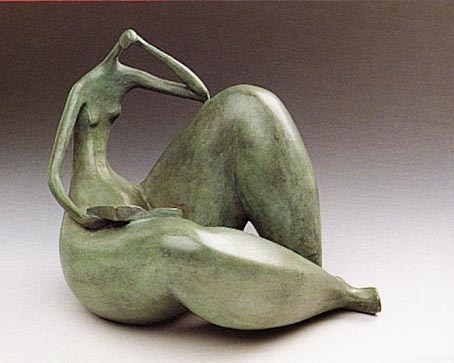
Sculpture by Madeleine-Marie Gautier
Be smart; do your research before jumping on the ketogenic bandwagon
One of the biggest trends in lipedema treatment world right now is the ketogenic diet. Folks in lipedema communities are all a-flutter over it, considering it practically a cure. There are tons of sessions about ketogenic diets at the lipedema conferences and it's being heavily promoted on lipedema websites and support groups.

I have decidedly mixed feelings about this. On the one hand, I'm a big believer in people being in charge of their own healthcare, and if this is something they want to try, it's okay with me. It's good to consider different therapeutic modalities. On the other hand, it bothers me to see people promoting it so strongly online, as if it is a proven therapy, as if it is a cure. It's NOT.

In fact, we have little actual evidence about ketogenic diets for lipedema, mostly just the word of a few doctors and therapists who believe it is "the answer." We have the stories of some people who are in the honeymoon phase of weight loss on the diet. We have no long-term evidence that it helps lipedema.

What is a Ketogenic Diet?

A ketogenic diet is a dietary approach that promotes a high fat intake and a moderate protein intake, while keeping carbohydrate intake to a bare minimum (no more than 50g per day). In other words, you can have plenty of meats, fats, and low-carb vegetables, but grains, fruits, and higher-carb veggies are not allowed. You can have lots of bacon, steak, and nuts but no rice, bread, pasta, peas, corn, apples, grapes, pears, or bananas, etc.

It's a nutritional plan designed to trigger ketosis in your body. Your body uses glucose for energy, which is largely created from the carbs you eat and then stored as glycogen. If you eliminate carbs from your diet, your body uses up its stores of glycogen, runs out of energy, and needs to find a replacement. So it turns to its stores of body fat and starts consuming them. The by-product of this process is ketones.

Ketosis (ketones in your system) results from the burning of fat for energy when the intake of other energy (carbohydrates) is too low to supply the body's needs. To see if you are spilling ketones in your urine, you can buy testing strips from most pharmacies. You pee on them and they will tell you if you are in ketosis and if so, how much. The aim of the diet is to get you into major ketosis territory so your body will hopefully burn up the lipedemic fat.

Ketogenic diets do very well at producing a quick and very strong initial weight loss. Much of it is water weight but muscle and fat is also burned, leading to more weight loss, at least for a while. Some people report feeling marvelous on it, while others report feeling terrible (the "keto flu"). Sometimes this effect is temporary (the first few weeks) and sometimes it never resolves.

Reservations About Ketogenic Diets

When looked at historically, it can be seen that dietary approaches rotate in popularity. Vegetarian, vegan, alkaline, low-fat, low-carb, no grain, no carb, Paleo, eating "clean" ─ all are dieting/weight loss trends that have cycled in and out of popularity over the years. None show any better long-term results than the others.

If you lower calories, your body will initially lose weight for a while, and then it will slowly adapt its metabolism to the new lower intake and the weight loss slows down and stops, then starts reversing. Sometimes you can overcome these plateaus for a while but nearly always the weight eventually returns, often with friends. There are a few people who manage to sustain large weight losses over many years, but they are statistical outliers, and many do it at the price of eating-disordered behaviors around caloric intake and exercise.

Remember that there is NO research proving improvement of lipedema with a ketogenic diet. Nor is there any research proving long-term permanent weight loss with ketogenic diets. The current push for ketogenic diets is the lipedema and medical community pretending to be size-friendly and pro-health but still exhibiting an underlying diet and weight loss mentality. The paradigm is just too ingrained in them to let it go:

  • Sure, we know that lipedema is really not your fault ─ but don't you dare let up on your relentless focus on dieting and exercise or you'll blow up like a balloon! 
  • Sure, it's not just a matter of restricting calories ─ but you really should restrict certain toxic foods. If you don't, you'll make your lipedema worse and you'll end up in a wheelchair!

Caregivers and far too many patients are still stuck in the same old guilt/shame/scare/restrict dieting mode, even if they no longer call it a diet. They may call it a "lifestyle change" but it really is just another diet. 

For a while it was an anti-inflammatory diet that was supposed to lessen the effect of lipedema. Now that has started to go out of fashion and it's all about the ketogenic diet. Pretty soon the ketogenic diet will go out of fashion too and something new will be "the" fix. But whatever the latest trendy approach, it's all still dieting, bottom line.

That's not to say that you should just "let yourself go." There's nothing wrong with focusing on healthy habits and nutrient-dense foods. No one is saying that people with lipedema should pay no attention to their health. You don't want to exacerbate the lipedema. But we do need to be cautious not to let that care become part of the Diet Fixation that is so prevalent in our society.

Be especially leery of nutritional approaches that take out entire food groups, that are highly restrictive in intake, that cast foods into "good" and "bad" categories. Foods aren't moral or immoral; they have no value judgment. Some are healthier for you than others, some work better with your particular body than others, but everyone is an individual. Sweeping dietary restrictions don't generally work very well for groups. Moderation and variety seems to be the best keys.

Remember the profit motive of this latest trendy diet. Although the "keto experts" are well-meaning, the patient often ends up paying hefty amounts for advice. And the so-called experts usually spin their approach into a whole cottage industry that makes them all kinds of money. Keto lifestyle coaches abound online these days and have many "packages" available for lifestyle advice. All of it is for a profit. It colors everything they say. Even caregivers who consider themselves neutral often have financial interests in the weight loss industry that influence their views. View everything with a giant grain of salt.

Look beyond the salesmanship, the scare tactics, and the short-term personal testimonials. Ask what real evidence we have on ketogenic diets. Keep asking about this on lipedema groups promoting ketogenic diets and listen to the deafening silence or culture of denial. It's very revealing.

What Does the Research Say?

Bottom line, there does not seem to be any studies on ketogenic diets and lipedema. 

All the claims online about how effective ketogenic diets are for lipedema seem to come from anecdotal stories. A few isolated case reports exist, which are essentially anecdotal evidence too. Although we should not dismiss anecdotal evidence out of hand, neither should we consider such a therapy proven. It's not proven at all.

The ketogenic diet does have some uses in fields other than lipedema. It's important not to dismiss it completely. It was first used in 1920 to help people with epilepsy. It has been shown to be extremely helpful in children and adults who experience chronic severe seizures ─ but perhaps at a price. There seems to be some cognitive decline in young children on a ketogenic diet, but whether that's worsened because of the repeated seizures or whether a combination of repeated seizures and a ketogenic diet makes things worse is unknown.

The ketogenic diet has also been shown in some limited research to be helpful against certain types of brain tumors (glioblastoma). It's not a cure, but it may help at least delay progression. However, although there is lots of speculation and pressure for its use with other cancers, there is no conclusive proof of its utility on other cancers at this time.

A low-to-moderate carbohydrate diet has been shown to improve certain cardiac risk factors in newly diagnosed diabetics, but follow-up is generally only about a year, not long enough to judge its long-term usefulness. Still, it may well lower insulin levels long-term, so that is potentially a benefit to some.

However, while ketogenic diets typically improve triglycerides, HDL cholesterol, and blood sugar temporarily, some data suggests they may worsen LDL cholesterol. Whether that is truly risky or not is unclear.

Furthermore, many people report significant G.I. issues like nausea, vomiting, and constipation with a ketogenic diet. Other potential risks may include kidney stones or other kidney problems, electrolyte imbalances, dehydration, vitamin deficiencies, muscle loss, leg cramps, and decreased bone density. Bad breath, fatigue, and sleep problems have also been reported. While a ketogenic diet is probably not super-risky, neither is it without harm in the literature. Many dieticians recommend against it.

Ketogenic diets get good buzz because there are often significant drops in weight in the first few weeks of the diet. This is largely due to fluid loss, not fat loss. Since women with lipedema often retain serious fluid in their bodies, they can experience really big drops in weight ─ at first. But will it last? As two dietitians note in an article on the keto diet:
"As you limit carbohydrates, your body produces less insulin, and glycogen stores (how carbs are stored) in the muscles and liver are depleted. For every 1 gram of glycogen that's depleted, you lose about 3 grams of water." This causes the kidneys to flush out more water, and along with it, electrolytes your body needs like magnesium, calcium, sodium, and potassium. "Imbalanced electrolytes can lead to muscle cramps, irregular heartbeat, fatigue, cognitive distortions, and lack of body temperature control," Turoff says...
"I wish people knew that the weight loss they will initially experience on this diet is largely due to water loss," Brown says. That means you're most likely not actually losing fat in the first couple of weeks, but instead losing water that will come back in the form of glycogen stores if and when you start eating carbs again.
As far as weight loss goes, a meta-analysis of a number of studies found that ketogenic diets resulted in greater weight loss than low-fat diets ─ but a review of this meta-analysis noted that the difference was only about 1 kg (2.2 pounds), and once the participants reached the 24 month mark, any significant difference between groups disappeared. Not exactly impressive results.

This is typical of nearly all weight loss research. There is an initial period of significant weight loss, lasting anywhere from a few months to around 1-2 years, and then the weight is slowly regained. Often the person regains to a higher weight than their starting weight. The question becomes whether people are better off for having lost the weight and regained it, or if they would have been better off being stable at a higher weight.

Reviews note over and over that a ketogenic diet is generally quite difficult to sustain long-term. Many "long-term" ketogenic studies actually only last 6 months to a year. Drop-out rates are extremely high because it is such a hard diet to follow, and this makes it difficult to interpret what data there is.

Conclusion

One of the trendiest things in lipedema care these days is the ketogenic diet. It is routinely being promoted as a "must try" fix. Physically, it rewards participants with a large quick weight loss, and emotionally, it gives a feeling of control over the uncontrollable. People are glad to at least be doing something in hopes that it will help. It's understandable that it's so appealing to many and has caught on so quickly. But the reality is that it's just another unproven diet fad, cycling around for another turn on the Diet Wheel of Frustration.

That's not to say that the ketogenic diet is never useful. Clearly, it has been very useful in those with serious seizure disorders. But for lipedema? That is completely unproven at this point.

But I'm not going to tell you to not do this diet. You control your own body and your own healthcare decisions. I'm not the Diet Mafia. If you want to do the ketogenic diet, go right ahead. My advice if you try it is to avoid extremism, consult a dietitian so you do it more wisely, take supplements, drink lots of water, and stay flexible. Give it your best shot but don't feel bad if you find it difficult to sustain this diet or if you don't get the long-term results you were hoping for. Lots of other people have had similar issues.

Many people try the ketogenic diet for a while, lose fairly significant amounts of weight pretty quickly, sometimes even from the legs ─ then find the weight comes back no matter what they do. Or they simply cannot live with the extremes of the diet and stop following it after a while because it is so difficult to sustain long-term.

That was pretty much my experience with the ketogenic diet, years ago as a young adult when I was still riding the diet merry-go-round. I lost 50 lbs. on it in six months, but in the end began gaining weight uncontrollably even while still on the diet. Eventually I found it to be simply unsustainable and stopped. I found that after my ketogenic diet, I actually had more lipedemic fat (though I didn't know what to call it then) than when I started, particularly around my belly. That really turned me off of it. It had good initial results but they didn't last any better than any other diet or "lifestyle change" I did. In fact, it made things worse in the long run.

That was my last really big diet. After that, I turned to the Health At Every Size approach and stopped yo-yo dieting. I found I was so much healthier in my food choices, my lab numbers improved, my weight stabilized, and I just FELT so much better, both physically and emotionally. I tried to emphasize more exercise and eat moderately but didn't guilt myself too much about it. Everything in moderation ─ including moderation ─ became my motto.

Some people swear by the ketogenic diet, and if it works long-term for you, more power to you. But stop promoting it as if it has been proven to be a cure for lipedema. It hasn't. It hasn't been shown to result in long-term weight loss either. You can mention to others that you are trying it, you can talk about the pluses and minuses, you can share your experience with it, but please refrain from making unproven claims and stop pressuring other people to try it.


Tuesday, January 2, 2018

Intuitive Eating and Postpartum Weight

Image result for pregnancy weight scale


There is intense pressure from some care providers to lose pregnancy weight gain after the baby is born. This is because many women do retain weight from pregnancy long-term and never go back to their pre-pregnancy weight, resulting in a permanent net gain.

However, the best way to return to pre-pregnancy weight is hotly debated. This study finds that Intuitive Eating works better than rigid dieting rules. This is very compatible with Health At Every Size® practices and a much more sane way to live, especially for new mothers.


Reference

Matern Child Health J. 2017 Feb 7. doi: 10.1007/s10995-017-2281-4. [Epub ahead of print] The Relationship Between Intuitive Eating and Postpartum Weight Loss.Leahy K, Berlin KS, Banks  GG, Bachman J. PMID: 28176035 DOI: 10.1007/s10995-017-2281-4
Objective Postpartum weight loss is challenging for new mothers who report limited time and difficulties following traditional weight loss methods. Intuitive eating (IE) is a behavior that includes eating based on physical hunger and fullness and may have a role in encouraging weight loss. The purpose of this study was to examine the relationship between IE and postpartum weight loss. Methods Women 12-18 months postpartum completed a questionnaire regarding weight changes surrounding pregnancy, exercise, breastfeeding and intuitive eating using the Intuitive Eating Scale. Latent growth curve modeling was utilized to determine the relationship between IE, breastfeeding, weight gain during pregnancy, and postpartum weight trajectories. Results Participants (n = 50) were 28.5 ± 4.9 years old, had an average pre-pregnancy BMI of 26.4 ± 6.8 and the majority were married, and non-Hispanic white. The conditional model revealed that more intuitive eating practices predicted greater postpartum BMI decreases (Est. = -0.10, p < .05) when controlling for breastfeeding duration, exercise duration, and initial BMI and pregnancy BMI changes. Greater pregnancy BMI increases were associated with more rapid postpartum BMI decreases (Est. = -0.34, p < .001) while breastfeeding duration, exercise and initial BMI were not related. Conclusions for Practice Postpartum weight retention is a challenge for many women. Following a more intuitive eating approach to food consumption may encourage postpartum weight loss without the required weighing, measuring, recording and assessing dietary intake that is required of traditional weight loss programs. IE could offer an alternative approach that may be less arduous for new mothers.

Monday, October 24, 2016

Exercise During Pregnancy May Cut Cesarean Risk

Image from World Obesity Federation Image Bank*
I'm a big fan of being proactive in pregnancy. I think eating healthfully, getting enough sleep, avoiding stress when possible, and getting regular exercise strongly benefit pregnant women of all sizes. Now there is new research suggesting it may also lower the risk for cesarean.

However, keep in mind that there are plenty of women who don't do these things and still have a vaginal birth. And there are plenty of women who do everything "right" and still end up with a cesarean. There's certainly not a one-to-one relationship between exercise and cesareans. But being as proactive as possible in your health habits during pregnancy may lessen the risk for complications or for an unplanned cesarean.

Personally, in my first pregnancy I didn't exercise that much. I had quite a bit of bleeding and spotting at first and was told not to do much, plus we had a major move in the middle of it all which meant that most of my non-work time was spent on packing and unpacking from the move. I felt pretty out of shape by the end of pregnancy.

In my second and third pregnancies, I exercised quite a bit. I wasn't running marathons or anything, but I did walk regularly, and added in swimming, water aerobics, and prenatal yoga as my schedule allowed. If all else failed, I ran the stairs in my house. I felt SO much better and had way more stamina.

In my fourth pregnancy, I was taking care of my seriously ill mother as well as my three young children. It was hard to find time to sleep, let alone exercise, but I did still manage to walk some. I fit in swimming or stairs where I could but I didn't get nearly as much exercise as the second and third pregnancies. By the end, I felt the difference.

Here is the abstract for a recent study that supports the idea that regular exercise in pregnancy might cut the risk for cesarean. 

For me, exercise didn't make much difference in which pregnancies ended in cesarean, but it sure did make a difference in how I felt by the end of pregnancy! And I think it helped me lower my risk for complications like blood pressure issues etc., which I never got despite being "morbidly obese" and a much older mom.

So I'm a major fan of getting regular exercise in pregnancy. It doesn't have to mean running a marathon, but simply doing regular movement of some sort seems to be a common-sense thing to do. And if it lowers your risk for cesarean somewhat, all the better.

However, exercise programs are often pushed mainly for "obese" women. Frankly, ALL pregnant women should be encouraged to get more exercise, not just women of size. High-BMI women may benefit the most from it, but women of all sizes benefit from regular exercise.

As long as you don't have any medical contraindications, exercise is just a common-sense thing to do in pregnancy.


*Isn't it telling that I couldn't find a good positive picture of a pregnant woman of size exercising? Many of us do it, so why aren't there many good pictures of that? The very few pictures I did find were problematic for various reasons. Most images in articles about exercise for heavier pregnant women actually showed pregnant women of average size, or the images were patronizing and stigmatizing. Please, if you have a good picture of yourself pregnant and exercising, I'd appreciate it if you shared it with me for use in the future. 


Reference

Am J Obstet Gynecol. 2016 Aug 23. pii: S0002-9378(16)30579-8. doi: 10.1016/j.ajog.2016.08.014. [Epub ahead of print] Exercise during pregnancy and risk of cesarean delivery in nulliparous women: a large population-based cohort study. Owe KM1, Nystad W2, Stigum H2, Vangen S3, Bø K4. PMID: 27555317
...OBJECTIVE: The purpose of this study was to investigate the association between exercise during pregnancy and cesarean delivery, both acute and elective, in nulliparous women. STUDY DESIGN: We conducted a population-based cohort study that involved 39,187 nulliparous women with a singleton pregnancy who were enrolled in the Norwegian Mother and Child Cohort Study between 2000 and 2009. All women answered 2 questionnaires in pregnancy weeks 17 and 30. Acute and elective cesarean delivery data were obtained from the Medical Birth Registry of Norway. Information on exercise frequency and type was assessed prospectively by questionnaires in pregnancy weeks 17 and 30...RESULTS: The total cesarean delivery rate was 15.4% (n=6030), of which 77.8% (n=4689) was acute cesarean delivery. Exercise during pregnancy was associated with a reduced risk of cesarean delivery, particularly for acute cesarean delivery...The largest risk reduction was observed for acute cesarean delivery among women who exercised >5 times weekly during weeks 17 (-2.2%) and 30 (-3.6%) compared with nonexercisers (test for trend, P<.001). Reporting high impact exercises in weeks 17 and 30 was associated with the greatest reduction in risk of acute cesarean delivery (-3.0% and -3.4%, respectively). CONCLUSION: Compared with nonexercisers, regular exercise and high-impact exercises during pregnancy are associated with reduced risk of having an acute cesarean delivery in first-time mothers.

Tuesday, December 15, 2015

The Healing Effect of Health At Every Size College Courses

When I went to college I was truly shocked by the amount of eating-disordered behavior I saw there.

In time I discovered I knew several people with true bulimic issues, some with binge-eating, and some with anorexic tendencies. Many others simply had a lot of neuroses around food and major guilt about "being bad."

What shocked me most was that most of these eating-disordered behaviors were in people who were "normal" weight or just a bit "overweight" by societal standards.

I didn't usually see these behaviors in the fat women I knew, and I didn't see these behaviors in myself. Instead, I saw them in the people that others expected to have healthy eating behaviors compared to me.

What?!?!?!!

That really shocked and surprised me. It made me start to rethink many of the things I had been taught in Weight Watchers and elsewhere. For years, I had believed that all fat people had eating problems (or they wouldn't be fat, right?) and that nearly all average-sized people did not have eating problems. I knew a few had anorexia and I'd heard about binge-eating and bulimia, but I expected most eating disorders to be in people with body size extremes.

Yet really, most of the people I met with eating disorders looked "normal." They were basically of average size, and because of that fact, they were able to hide their eating disorders very well indeed. No one would believe that they had an eating disorder just by looking at them, whereas many believed it of me based on my looks...but it wasn't true.

Now, I have to qualify that a little. After years of dieting, I had started to develop some eating-disordered behavior, but it was pretty mild. It certainly hadn't developed even remotely to the level of binge eating, anorexia, or bulimia. I was never an emotional eater, I didn't binge, nor did I have the kind of neurotic fixation on food that I saw in many of my peers. Once I realized how screwed up some people's behaviors around eating were, I realized that I was better off than I thought. I didn't have an actual eating disorder, and I realized that simply being fat certainly didn't guarantee one. And once I eventually left the dieting lifestyle, any leftover neurotic eating behaviors disappeared altogether.

College campuses are rife with eating-disordered behaviors. The good news is that some colleges are recognizing this, organizing support for those who need it, and offering coursework surrounding these issues. This is a huge step in the right direction.

I hope that college courses like the one below can help blunt some of this angst and help heal people's body issues. College is a powerful time to heal body image and eating disorder issues, so I hope more colleges will make courses like this available.

Wouldn't it be great to see something like this in medical schools too? I certainly have read about a lot of eating-disordered behavior (including compulsive exercise behavior) in medical students over the years. A Health At Every Size® course like this in medical school be incredibly valuable in influencing a more compassionate and healing approach towards body size and eating issues in future care providers.

Colleges and medical schools, are you listening?


Reference

J Nutr Educ Behav. 2015 Mar 10. pii: S1499-4046(15)00011-1. doi: 10.1016/j.jneb.2015.01.008. [Epub ahead of print] Health at Every Size College Course Reduces Dieting Behaviors and Improves Intuitive Eating, Body Esteem, and Anti-Fat Attitudes. Humphrey L1, Clifford D2, Morris MN1. PMID: 25769516
OBJECTIVE: To investigate the effects of a Health at Every Size general education course on intuitive eating, body esteem (BES), cognitive behavioral dieting scores, and anti-fat attitudes of college students. METHODS: Quasi-experimental design with 149 students in intervention (45), comparison (66), or control (46) groups. Analysis of variance and post hoc Tukey adjusted tests were used. RESULTS: Mean scores for total general education course on intuitive eating (P < .001), unconditional permission to eat (P < .001), reliance on hunger (P < .001), cognitive behavioral dieting scores (P < .001), BES appearance (P = .006), BES weight (P < .001), and anti-fat attitudes (P < .001) significantly improved from pre to post in the intervention group compared with control and comparison groups. CONCLUSION AND IMPLICATIONS: Students in the Health at Every Size class improved intuitive eating, body esteem, and anti-fat attitudes and reduced dieting behaviors compared with students in the control and comparison groups.

Monday, October 5, 2015

Lipedema, self acceptance, and trolls

Image from this article
This is a really interesting article by Courtney Mina about dealing with the fat hate that often accompanies being open about lipedema or being body-positive in any way online.

She posted some pictures of herself in only undergarments on Instagram, Twitter (#biglegs), and Facebook to see if people would continue to be body-positive towards someone with large legs. She was open with people about having lipedema, what that meant, and how it has affected her life, all while still being body-positive.

Gratifyingly, many people were body-positive and supportive of her. This shows that body-positivity campaigns are making a difference and the message is being heard. 

However, there were also haters. Some of it was the open, in-your-face really vicious hate so common on the internet (yep, I get it too). Ugh. But that's such an obviously biased and obnoxious response that you mostly just have to let that roll off of you. Some people are just trying to stir up trouble and some people are just outright misogynists. None of us should be subject to such hatefulness, it's wrong wrong wrong for sexism like this to be so prevalent and our society needs to target this misogyny, but some individuals are so hateful they are simply lost causes. I refuse to lose sleep over them.

Of course there was also the poisonous "concern trolling" ─ I'm-just-worried-about-your-health stuff. This is the kind of stuff fat people get bombarded with by people we care about (because obviously you are simply in denial if you are fat and not trying to lose weight). They can't see how much they've bought into harmful untruths about weight and health, and they find it difficult to acknowledge that there really are medical conditions that can cause fatness. They think that since their bodies work a certain way, all bodies must therefore work that way, even when evidence for a disease process is presented to them. They mean well, but it's still hurtful.

And of course, sometimes the worst people of all are the "plus-size police," the women of size who so hate their own bodies that they try to police other fat women's bodies too. The self-hate they have is just palpable and so sad. The absolute worst are the ones who are in the honeymoon period during or just after weight loss before the regain begins, or the ones who are chronic dieters. They are in the "high" phase of the dieting addiction and they want everyone to join them on this drug. No one is allowed to rain on their parade, gainsay their experience, or present an alternative approach like Health At Every Size®. Anyone who approaches it differently is just "in denial."

Sadly, even some in the fat-acceptance movement have wanted to deny the medical reality of lipedema, a medical condition that often leads to heavier-than-average legs, hips, and arms. It's as if they think that any acknowledgement of a possible biological condition underlying weight means we are making excuses for it to appease the haters, rather than embracing our size with acceptance. [Nope, you can acknowledge the biological causes and still be part of fat acceptance.]

I thought this post had many thought-provoking things to say. Definitely check it out. I was encouraged that many people were supportive of her, but I have to wonder how many were supportive because she is young and beautiful. There's a heck of a lot less supportiveness out there for middle-aged and older fat women, but I have hopes that this, too, will improve with time. Body positivity should not be only for the young and beautiful but for people of all ages and looks.

http://www.bustle.com/articles/102550-i-have-lipedema-posted-a-photo-of-my-big-legs-on-instagram-to-see-if

Tuesday, February 10, 2015

Adventures in Gardening: Hügelkultur Experiments

Periodically, I write about gardening on this blog. I'm sure some readers scratch their heads and wonder why, given that I generally focus on issues pertinent to weight or on pregnancy/birth/breastfeeding, but I view gardening as part of the mission of this blog too.

I write about gardening for several reasons. First and most importantly, I write about gardening as part of my Health At Every Size focus. I think it's obvious that as a society, we would be better off if we ate fewer processed foods and more whole foods, and gardening is an important part of the "slow food" movement. It promotes better nutrition and gives us exercise, all in one convenient package. Not that we all have to be perfect or obsessive, but striving for more whole foods is just common sense.

Second, I write about gardening as part of my Parenting focus. Kids will eat more vegetables and fruit if they help grow it themselves, and it's good for kids to appreciate the kind of work it takes to provide the food we eat. Far too many kids have no concept of how food reaches their table. Gardening also helps kids connect with nature, gets them outside, gives them exercise, and helps them learn to care responsibly for living things. I think every child should learn to garden in one degree or another.

Finally, I write about gardening as part of my Emergency Preparedness message. It's important as parents to have a stock of food on hand in case of a natural disaster or other emergency. Too many people are completely dependent on grocery stores for all their food, and most have very little stored food in reserve for emergencies. Gardening helps you have a renewable source of healthy food for your family. Gardening also lends itself to preserving, which helps you keep a stock of preserved food around. It's important that we keep gardening and preserving skills alive for our children, and it's also important to have a food reserve for our families in case of an emergency.

Gardening is a win-win all around on so many levels. Even though it might not seem like a logical topic for this blog on the face of it, it really does fit my blog mission too.

Today I wanted to share about a gardening experiment I've been toying around with this year. It's called Hügelkultur gardening.

Raised Beds on Steroids

Since a big car accident a few years ago significantly damaged my knees, I mostly garden in raised beds now. Saves my knees a lot of grief and my back likes it too. I'm a real fan of raised beds.

But raised beds have challenges too. They are more watering-intensive; they dry out sooner and need to be watered more often. Being the lazy, less-than-attentive gardener that I am, I'm not always good about watering regularly, which can be stressful on the vegetables.

Also, the soil in raised beds can get "tired out" and depleted of nutrients if you don't refresh them regularly. I prefer to garden organically, so I've been experimenting to see how I can best "feed" the soil in my gardens without having to resort to artificial fertilizers or additives.

It was in response to these challenges that I began to learn about a new/old technique called Hügelkultur Gardening (pronounced HOO-gull-cul-ture). 

Hügelkultur Gardening Basics

First layer of hugelkultur bed - pieces of wood in various
sizes. Image by Jon Roberts, from Wikimedia
Although Hügelkultur gardening has been practiced in several different cultures, the name is German and the idea was popularized by permaculturist Sepp Holzer.

Basically, it means "Mound Culture" or mound gardening. You pile a bunch of wood in various stages of decomposition at the bottom of the pile, water it in well so the wood soaks up the water, then add other layers of soil, kitchen waste, leaves, straw, compost, manure, bark chips, etc. until you have a mound. Then you plant in that mound.

Sometime the mound is small, sometimes it's large, but you basically are planting in a compost pile that's in process. Using different sizes of wood means that it processes slowly and that the nitrogen from the kitchen waste etc. does not overwhelm the carbon content, which is a common problem in many compost piles.

The benefits of hügelkultur are:
  • it improves soil fertility (through decomposing organic matter)
  • it aerates the soil and improves its structure (the soil around the logs naturally creates air pockets, which helps keep the soil from compacting to much, thereby improving its structure)
  • it improves water retention (water is released slowly over time from the water-soaked logs, necessitating less watering in the drier months after the first year or two)
  • it warms the soil (making it easier to plant earlier and longer in the growing season)
  • it promotes earthworms and other beneficial animals/fungi in the garden (they are attracted to the decomposing organic matter and help break it down)
Permaculturists like hügelkultur because it recreates replenishment of soil in the garden in the same way that it happens in nature:
Hügelkultur replicates the natural process of decomposition that occurs on forest floors. Trees that fall in a forest often become nurse logs decaying and providing ecological facilitation to seedlings. As the wood decays, its porosity increases allowing it to store water "like a sponge". The water is slowly released back into the environment, benefiting nearby plants.
Image from richsoil.com 
Personally, it's the watering benefits I'm most interested in. While my area of the country gets lots of moisture in the winter, we get very little during the summer, so we have to do a lot of watering in the summer. My new hügel bed is on the side of my house that doesn't have easy watering access, and it's far away from the raised garden beds that get my main (if inconsistent) watering attention. I wanted more gardening space but less upkeep, so I'm hoping the new hügel bed will help by giving me a new garden space that I don't have to spend so much time watering.

There are lots of different ways to do hügel beds. Although it is helpful to read up on ways to optimize the process, it's basically just planting into soil mounded over buried wood. Some online accounts make it seem complicated, but if you keep in mind the basics, the process is pretty forgiving.

Some people like to build their hügel beds in a trench. You dig a long hole, pile up woody debris in it, then fill in the gaps with kitchen waste, compost, straw, etc. until you have a good mound. The digging part can be a lot of work, so some gardeners don't bother with the trench; they just pile the woody debris directly on the ground and then fill in the gaps. Personally, I used a trench because I think it gives more stability to the mound and because putting the wood directly in the earth accelerates its decomposition, brings more worms, and enhances water retention in the dry months.

Some writers suggest building your hügelkultur beds to run in a line north to south. This is to maximize sun exposure (otherwise, the mound nature of the bed means one side of an east-west bed will get too much shade). Some surround the base of the hügel mound with rocks, logs, or other materials for stability and neatness; others do not. Rocks along the edges may help warm the soil better, but otherwise it's a personal choice.

It's important to use different sizes and ages of wood in the bed if possible. You want some to be old and partially decomposing already, some to be new, some to be thick pieces of wood, and some to be small thin twigs and branches. If you start with all-new and thick wood, your hügel bed may not do as well for the first couple of years, since it needs time to absorb water and start the decomposition process. For maximum benefit, use wood of various sizes and states of decomposition, and start your hügel bed in the fall so that the wood can absorb the winter moisture before planting in the spring.

If you don't have enough woody material of your own, look around. Tree-trimming companies, power companies, and government agencies often have some you can get, or you can collect fallen wood from a friend's back yard, etc. Just make sure it's untreated wood. No plywood or treated lumber should be used.

Another suggestion I've read is to put some of the wood in vertically instead of horizontally, especially if using less water is one of your priorities. Supposedly the wood wicks moisture more efficiently if it's vertical instead of horizontal. I can't speak to this but it seems plausible to me.

Some authors also suggest adding alfalfa pellets when building the bed in order to add more quickly-available nitrogen to balance the carbon dominance of the bed in the first year or two. If you don't have much manure available, this might help. After that, the wood should start breaking down and create its own balance of carbon and nitrogen.

(As an alternative, some people suggest pouring diluted urine or peeing directly onto the logs, but surprisingly, my teen-aged boys declined to do this. I thought they'd love the chance to mark their territory but they were absolutely appalled by the idea.)

Alternate layers of greens and browns in your pile, like in "lasagna gardening" (sheet mulching). Use kitchen waste, garden waste, bark chips, manure, straw, grass clippings, whatever you have on hand. Top it all off with a thick layer of compost and then straw or other mulch to help keep the soil in place and hold in moisture. When you plant, simply move aside some of this top layer and plant the start (or seed) directly into the pile. When you see the seedling is high enough, put the mulch back around it. The first year or two you will have to water seedlings more often, but after that you should have to water much less often.

The more organic material you add (especially nitrogen material) on top of the wood, the sooner your bed will produce results. If you have mostly woody material with minimal soil, it's going to take a couple of years to start breaking down and you won't get much results until then. But if you start with well-watered wood in all stages of decomposition, then add lots of nitrogen-rich material and soil layered with smaller carbon materials (like straw or bark chips), you should be able to plant in the first year and get reasonable returns.

Each year, the organic materials will break down more and more, so you'll need to occasionally add more compost, leaves, manure and bark chips to the hügel beds over the years. Just fill in the holes periodically. The best growing results are typically several years into the process.

But really, although these are suggestions to make hügelkultur more efficient, there's not a lot of strict rules to follow. It's a very forgiving approach, which is why I like it. You can make it what you want and adapt it for your own needs.

My Hügelkultur Beds

Hügelbed, minus top layer of soil.
(This is not my hügelbed, but mine looks
a lot like this, not very mounded yet.)
Image from Wikimedia.
Personally, I started my hügel bed in a small trench and filled it with fallen tree limbs, some firewood, and some old branches and logs from our school grounds. (If I were to do another hügel bed, I think I'd add in even more wood, as I don't think we have enough in there to truly go without extra watering.)

My hügel bed is more of a mini-hügel than a true hügel. The classic hügel is a very high mound with very steep sides. I do not have enough soil and compost right now to make a mound that high, so I'm doing what works at my property...a mini-hügel. It won't last as long, but it should still last several years. That's good enough for a first experiment.

I let the wood get good and soaked in the fall rains, then we began covering it up with layers of kitchen scraps, manure, straw, wood chips, grass clippings, half-cooked compost, the original soil from the trench diggings, garden leftovers, and dead leaves. At this point, it's not very mounded yet, so we need to add more compost, straw and other materials this spring to continue to build it up.

The top of the pile has last year's Halloween pumpkins on it; I'm hoping they seed and start new pumpkins in the pile for this year. Pumpkins are supposed to love hügel beds. My hügel bed is in the former rabbit pen, so it should have lots of good rabbit poo to make the pumpkins happy, and the pumpkins will have lots of room to spread out and grow, which was a problem in my raised beds.

I plan to plant several berry bushes of different types in the hügel bed this year, mostly huckleberry, josta berries, and blueberries. These will form the backbone of the hügel garden, the "perma" in my permaculture. Their root structures will hopefully grow strong over time and give stability to the bed.

Some people also put stuff around the edges of the bed to give it stability, but since mine was built in a trench and isn't very mounded, I'm not too worried about this. I probably will put down some cardboard and bark chips around the edges of it to create a walking path and hopefully deter the grass from growing up the sides, though.

I will plant some nitrogen-fixing plants like peas and beans this year, which hopefully should help provide balance for the carbon in the wood pile underneath. This may be especially important in the first year of growing, since a hügel bed tends to be carbon-dominant at first. I didn't add any alfalfa pellets, but I may look into getting some to add to the beds (since my teens aren't cooperating with territory-marking plan).

In future years I will add more variety of plants, intercropped between the more permanent plants, but for now, I just want to get the basics in the bed and get it up and running. I'll probably have some annual greens there this year as an interim plan.

I like the hügelkultur idea so much that I'm trying to convert some of my raised beds on the other side of the house to a hügelkultur hybrid bed. I have my teenagers digging up the dirt in the raised beds, shunting it to the side, putting old soaked wood and branches in the bottom, and then mixing in kitchen waste, half-finished compost, rock/mineral dust, straw, bark chips, and manure into the rest of the soil. They won't be true hügelkultur beds because they won't have nearly as much wood, but will hopefully give my raised beds a good shot of soil replenishment ─ and maybe lessen watering requirements if I'm lucky.

I wrote previously about my experiment with trench composting, i.e. composting my kitchen waste directly into holes in the raised gardens. Overall, that has been great (far better than messing with a compost pile!), but I did notice that some of my raised beds tended to have too much nitrogen this year. As a result, some of my tomatoes had tons of green growth but not as much fruit in some places.

So the hügelkultur hybridizing of my raised beds will hopefully also help bring more carbon to balance the nitrogen created by the trench composting, which I love and want to continue. Hopefully, a better balance between "browns" and "greens" in the garden will create maximum produce production.

Although it's still early in the process, I'm pretty optimistic about the Hügelkultur beds I'm creating. Since it simply re-creates the process as it happens in nature, I think it has a great chance of succeeding and will greatly add to the productivity of my garden. Better yet, I'm hoping it will lessen the amount of watering, fertilizing, and fussing I need to do, which would be great because I'm a very lackadaisical gardener. I enjoy it when I get around to it, but I have too many other time demands and interests to obsess about it too much.

If you are interested in Hügelkultur for your own gardens, check out some of the links below. Happy gardening!


Resources

Tuesday, October 21, 2014

A Weight-Inclusive Approach to Health


J Obes. 2014;2014:983495. doi: 10.1155/2014/983495. Epub 2014 Jul 23. The weight-inclusive versus weight-normative approach to health: evaluating the evidence for prioritizing well-being over weight loss. Tylka TL1, Annunziato RA2, Burgard D3, Daníelsdóttir S4, Shuman E5, Davis C2, Calogero RM6. PMID: 25147734 Free full text available here.
Using an ethical lens, this review evaluates two methods of working within patient care and public health: the weight-normative approach (emphasis on weight and weight loss when defining health and well-being) and the weight-inclusive approach (emphasis on viewing health and well-being as multifaceted while directing efforts toward improving health access and reducing weight stigma). 
Data reveal that the weight-normative approach is not effective for most people because of high rates of weight regain and cycling from weight loss interventions, which are linked to adverse health and well-being. Its predominant focus on weight may also foster stigma in health care and society, and data show that weight stigma is also linked to adverse health and well-being. 
In contrast, data support a weight-inclusive approach, which is included in models such as Health at Every Size for improving physical (e.g., blood pressure), behavioral (e.g., binge eating), and psychological (e.g., depression) indices, as well as acceptability of public health messages. 
Therefore, the weight-inclusive approach upholds nonmaleficience and beneficience, whereas the weight-normative approach does not. We offer a theoretical framework that organizes the research included in this review and discuss how it can guide research efforts and help health professionals intervene with their patients and community.

Sunday, June 19, 2011

New Health At Every Size Resource

I'm delighted to hear that ASDAH (Association for Size Diversity and Health) has started a new, very important blog, the Health At Every Size blog.  About time!

I'm sure my size-acceptance and fatosphere readers have heard about it already, but I wanted to make sure my birth-world readers (who may not be as familiar with HAES concepts) knew about it too.

If you don't know about Health At Every Size (HAES) yet, the basic principles of HAES are:
1. Accepting and respecting the diversity of body shapes and sizes.
2. Recognizing that health and well-being are multi-dimensional and that they include physical, social, spiritual, occupational, emotional, and intellectual aspects.
3. Promoting all aspects of health and well-being for people of all sizes.
4. Promoting eating in a manner which balances individual nutritional needs, hunger, satiety, appetite, and pleasure.
5. Promoting individually appropriate, enjoyable, life-enhancing physical activity, rather than exercise that is focused on a goal of weight loss.
Here is a summary about the HAES Files from the HAES blog's first post (I've broken it up a bit):
The Health At Every SizeSM approach is about the ways that people of all sizes can maximize their health.

This approach does not mean to give up or to let everything go. It is an active process by which people work positively with their bodies and within their lifestyles to achieve a level of health which is reasonable and above all, sustainable for them.

It means managing health within a framework of a life well lived as opposed to weight centric, thin at any cost methods.

It means managing nutrition and fitness within a global health framework that would include managing stress, sleeping well, maintaining social connectedness and much, much more. This is not passive, and it is not easy. It requires a lifetime of careful work in learning which foods nourish you and which leave you feeling unwell; in learning what forms of exercise strengthen you and energize you and which forms leave you depleted and hurting; and in learning to make positive, gradual changes based on self-care rather than self-hatred.

The HAES Files will serve as a means to push for a shift in paradigm from weight centered to health centered...

We have asked each of our bloggers to challenge us on how we address weight and diet and nutrition and physical activity and stigma and discrimination and ALL that our culture has deemed to wrap in a so-called “obesity crisis.”

We are no longer content with sitting in the back of the room, listening politely as policy makers, the media, and the food, diet and health industry dictate how this is going to play out. We are done asking for a seat at the table, we are taking one.
AMEN to that!

For those who are new to the idea of HAES, here are some more resources on it.  There is also Linda Bacon's book, Health At Every Size, excerpts of which can be found here.

I look forward to many wonderful, informative, and empowering posts from this new resource.  Go ASDAH!

Tuesday, June 1, 2010

Obesity Stigma Not Helpful - No, Really?

This just out!!  Obesity stigma harms more than helps!! 

[No, really????]  

Amazing they have to have an actual research journal article debating this.  Isn't it obvious?  Well, evidently not, sigh. 

I suppose I should be grateful that someone is taking time to disprove the kinds of lame claims that more stigma is needed, not less. 

On the flip side, though, is that while they are concerned about the negative effects of obesity stigma on fat people, the big concern is that this stigma gets in the way of obesity intervention efforts. 

I know these authors have good intentions, but I don't think they quite get it, do you?  Pretty typical of the Rudd Center, I gather.

But at least they are saying something against obesity stigma and countering the usual nonsense out there. It just amazes me that some idiots can actually believe that obesity stigma is really an effective tool for health improvement.

Here's the abstract of the study.  [Obviously, emphasis mine.]


Obesity stigma: important considerations for public health.

Am J Public Health. 2010 Jun;100(6):1019-28. Epub 2010 Jan 14.
Puhl RM, Heuer CA.
Director of Research and Weight Stigma Initiatives, Rudd Center for Food Policy and Obesity, Yale University, 309 Edwards St, New Haven, CT 06520-8369, USA.

Abstract

Stigma and discrimination toward obese persons are pervasive and pose numerous consequences for their psychological and physical health. Despite decades of science documenting weight stigma, its public health implications are widely ignored.

Instead, obese persons are blamed for their weight, with common perceptions that weight stigmatization is justifiable and may motivate individuals to adopt healthier behaviors. We examine evidence to address these assumptions and discuss their public health implications.

On the basis of current findings, we propose that weight stigma is not a beneficial public health tool for reducing obesity.

Rather, stigmatization of obese individuals threatens health, generates health disparities, and interferes with effective obesity intervention efforts.

These findings highlight weight stigma as both a social justice issue and a priority for public health.

PubMedID: 20075322