Showing posts with label menstrual cycle. Show all posts

Friday, September 15, 2017

PCOS and Endometrial Cancer Risk: The Dilemma of Weight Loss and Weight Cycling


September is Polycystic Ovarian Syndrome (PCOS) Awareness Month. As part of our ongoing series on PCOS, today we are going to talk about endometrial cancer.

PCOS is a hormonal disorder usually characterized by very strong insulin resistance. This insulin resistance causes many problems in the body, including irregular menstrual cycles, strong susceptibility towards weight gain, unwanted hair growth on the face and body (hirsutism), hair loss on the head (alopecia), cystic acne, body tags, a strong tendency towards diabetes, infertility, and many other symptoms.

Among other risks, PCOS is associated with a high risk for endometrial cancer (cancer in the lining of the uterus). Because PCOS tends to cause an irregular menstrual cycle, a woman's uterine lining may not get sloughed off each month. Some women with PCOS have extra long cycles (35 or more days), while others go months or even years without a menstrual cycle. This causes the lining of the uterus (the endometrium) to build up excessively; in time, atypical cells may develop. This is called endometrial hyperplasia, or overgrowth of the uterine lining. This hyperplasia can eventually turn into endometrial cancer.

This is why it is so important that women with PCOS get treatment. They need to have regular periods so that this overgrowth does not occur. There are many options for this, including progesterone treatmentsbirth control pills; insulin sensitizers like metformin, TZDs, or inositols; and androgen blockers.

However, most doctors' first recommendation is weight loss.

The Weight Loss Dilemma

The majority of women with PCOS have an "overweight" or "obese" BMI. Because of the very significant insulin resistance with PCOS, these women have a strong tendency towards weight gain over time.

Women of size with PCOS face a difficult dilemma in how they approach their weight. Care providers push them to lose weight, often telling them weight loss can "cure" PCOS or get rid of most of their symptoms. Weight loss is considered by many to be the first line of therapy for PCOS.

It's true that some short-term research does seem to suggest benefits from weight loss for women with PCOS, especially in shocking the system into ovulation. But this research is almost always based on fairly short follow-ups because most weight comes back within a few years after a significant weight loss. The very loss that leads to short-term benefits may backfire later into weight gain and worsened insulin resistance.

The critical question is whether women are better off in the long term trying to lose weight, or whether the high potential for weight cycling overcomes the possible benefit of weight loss. In particular, we need to know how weight loss and weight cycling affects the chances of getting endometrial cancer.

Here are two studies that demonstrate this weight loss dilemma. One study (Luo 2017) looked at intentional weight loss in "obese" women and how that affected their risk for endometrial cancer. (The study did not look specifically at women with PCOS but weight and PCOS are so tightly tied together that weight is a pretty fair proxy for presumed PCOS when discussing endometrial cancer.)

In the study, those women who intentionally lost weight lowered their chances for endometrial cancer. The effect was particularly strong in obese women who intentionally lost weight. So if  you can lose weight and keep it off, it looks like there might be some benefit.

However, remember that the majority of women who lose weight gain it back, and often end up at a higher weight than they started. In the Luo study, women who gained weight were at increased risk for endometrial cancer. So you take a calculated risk; if you lose weight and keep it off, you might significantly reduce your risk for endometrial cancer. However, if you regain that weight and end up heavier than you started, you probably have increased your risk for endometrial cancer.

Weight fluctuations up and down the scale may also have its own independent effect. The second study (Welti 2017) found that weight cycling 4-6 times was associated with an increase in risk for endometrial cancer. Many women of size cycle far more times than that; how increased is their risk?

Summary

High BMI women with PCOS face a difficult dilemma when deciding what to do to lessen their risk for endometrial cancer.

Intentional weight loss ─ if they can keep it off ─ might lower their risk for endometrial cancer. On the other hand, if the weight loss attempt leads to weight cycling and/or overall weight gain ─ as it does for so many ─ then that weight loss attempt probably actually increases their risk. 

In other words, high BMI women with PCOS are faced with a game of Russian Roulette when it comes to weight loss and endometrial cancer.  

There are no easy answers here. Each individual woman gets to make her own choices about weight loss as a treatment for PCOS, taking into account her own personal weight history and habits.

Although most doctors don't acknowledge it, it is a perfectly reasonable choice not to pursue weight loss as a treatment for PCOS. That doesn't mean that lifestyle is irrelevant. One can choose to emphasize sensible nutrition and exercise as a treatment for PCOS without measuring the worth of those treatments by weight loss. A Health At Every Size® approach can work for PCOS.

Care providers need to recognize that their constant pressure on patients to lose weight may actually backfire and create more risk rather than less. They need to recognize the right of the patient to choose whether or not to pursue weight loss, that it is possible to emphasize healthy lifestyle without tying that to weight loss, and to acknowledge the need for multiple tools beyond weight loss to address the unique needs of their PCOS patients.


References

Cancer Epidemiol Biomarkers Prev. 2017 May;26(5):779-786. doi: 10.1158/1055-9965.EPI-16-0611. Epub 2017 Jan 9. Weight Fluctuation and Cancer Risk in Postmenopausal Women: The Women's Health Initiative. Welti LM, Beavers DP, Caan BJ, Sangi-Haghpeykar H, Vitolins MZ, Beavers KM. PMID: 28069684
BACKGROUND: Weight cycling, defined by an intentional weight loss and subsequent regain, commonly occurs in overweight and obese women and is associated with some negative health outcomes. We examined the role of various weight-change patterns during early to mid-adulthood and associated risk of highly prevalent, obesity-related cancers (breast, endometrial, and colorectal) in postmenopausal women. METHODS: A total of 80,943 postmenopausal women (age, 63.4 ± 7.4 years) in the Women's Health Initiative Observational Study were categorized by self-reported weight change (weight stable; weight gain; lost weight; weight cycled [1-3, 4-6, 7-10, >10 times]) during early to mid-adulthood (18-50 years). Three site-specific associations were investigated using Cox proportional hazard models [age, race/ethnicity, income, education, smoking, alcohol, physical activity, hormone therapy, diet, and body mass index (BMI)]. RESULTS: A total of 7,464 (breast = 5,564; endometrial = 788; and colorectal = 1,290) incident cancer cases were identified between September 1994 and August 2014. Compared with weight stability, weight gain was significantly associated with risk of breast cancer [hazard ratio (HR), 1.11; 1.03-1.20] after adjustment for BMI. Similarly, weight cycling was significantly associated with risk of endometrial cancer (HR = 1.23; 1.01-1.49). Weight cycling "4 to 6 times" was most consistently associated with cancer risk, showing a 38% increased risk for endometrial cancer [95% confidence interval (CI), 1.08-1.76] compared with weight stable women.  CONCLUSIONS: Weight gain and weight cycling were positively associated with risk of breast and endometrial cancer, respectively. IMPACT: These data suggest weight cycling and weight gain increase risk of prevalent cancers in postmenopausal women. Adopting ideal body-weight maintenance practices before and after weight loss should be encouraged to reduce risk of incident breast and endometrial cancers. 
J Clin Oncol. 2017 Apr 10;35(11):1189-1193. doi: 10.1200/JCO.2016.70.5822. Epub 2017 Feb 6. Intentional Weight Loss and Endometrial Cancer Risk. Luo J, Chlebowski RT, Hendryx M, Rohan T, Wactawski-Wende J, Thomson CA, Felix AS, Chen C, Barrington W, Coday M, Stefanick M, LeBlanc E, Margolis KL. PMID: 28165909
PURPOSE: Although obesity is an established endometrial cancer risk factor, information about the influence of weight loss on endometrial cancer risk in postmenopausal women is limited. Therefore, we evaluated associations among weight change by intentionality with endometrial cancer in the Women's Health Initiative (WHI) observational study. PATIENTS AND METHODS: Postmenopausal women (N = 36,794) ages 50 to 79 years at WHI enrollment had their body weights measured and body mass indices calculated at baseline and at year 3. Weight change during that period was categorized as follows: stable (change within ± 5%), loss (change ≥ 5%), and gain (change ≥ 5%). Weight loss intentionality was assessed via self-report at year 3; change was characterized as intentional or unintentional. During the subsequent 11.4 years (mean) of follow-up, 566 incident endometrial cancer occurrences were confirmed by medical record review. Multivariable Cox proportional hazards regression models were used to evaluate relationships (hazard ratios [HRs] and 95% CIs) between weight change and endometrial cancer incidence. RESULTS: In multivariable analyses, compared with women who had stable weight (± 5%), women with weight loss had a significantly lower endometrial cancer risk (HR, 0.71; 95% CI, 0.54 to 0.95). The association was strongest among obese women with intentional weight loss (HR, 0.44; 95% CI, 0.25 to 0.78). Weight gain (≥ 10 pounds) was associated with a higher endometrial cancer risk than was stable weight, especially among women who had never used hormones. CONCLUSION: Intentional weight loss in postmenopausal women is associated with a lower endometrial cancer risk, especially among women with obesity. These findings should motivate programs for weight loss in obese postmenopausal women.

Wednesday, December 9, 2015

2015 studies on d-chiro-inositol


Here are a few recent (though small) studies on d-chiro-inositol (DCI) for Polycystic Ovarian Syndrome (PCOS). They had promising results. This is good news.

However, this little taste of research on DCI only points out the gaps that still exist and sure leaves me wanting more. So here's my Christmas wish list for PCOS research.

  • I would like to see some gold-standard randomized controlled studies with larger study groups. What's with all these little studies? It doesn't mean that much until it's been done with large study groups and replicated several times
  • I'd like to see more research from the USA and other countries; why are the Italians the only ones really pursuing this so closely?
  • I'd like to see more research done on how DCI affects metabolism, not just menstrual regularity, and whether it slows or prevents progression to Type II diabetes. It's really the metabolic implications that could have the most potential impact on people's health
  • I want to know if there is any interaction between metformin and DCI
  • I want to make sure DCI is safe in pregnancy and breastfeeding
  • I'd like to see DCI studied in post-menopausal women too; that is a vastly understudied group for DCI. Does it impact the incidence of diabetes, heart disease, or stroke?
  • I'd like to see DCI studied in close male relatives of women with PCOS. If PCOS women have a secondary messenger insulin signaling defect, wouldn't you think that our male relatives probably have it too? And that DCI might benefit them too?
  • I'd like to see this question about which protocol is best (DCI vs. myo-inositol vs. both) settled with better quality research

Okay, I'm cranky and demanding, but with a PCOS medication that shows this much promise, isn't it about time we had larger, more complete, and more qualitative trials?

Come on, PCOS research community, get on the stick. Stop putting out these tiny little fluff studies and start cranking out some meaningful inositol research that starts answering the most critical questions.


References

Gynecol Endocrinol. 2015 Jan;31(1):52-6. doi: 10.3109/09513590.2014.964201. Epub 2014 Sep 30. The menstrual cycle regularization following D-chiro-inositol treatment in PCOS women: a retrospective study. La Marca A1, Grisendi V, Dondi G, Sighinolfi G, Cianci A. PMID: 25268566
Polycystic ovary syndrome is characterized by irregular cycles, hyperandrogenism, polycystic ovary at ultrasound and insulin resistance. The effectiveness of D-chiro-inositol (DCI) treatment in improving insulin resistance in PCOS patients has been confirmed in several reports. The objective of this study was to retrospectively analyze the effect of DCI on menstrual cycle regularity in PCOS women. This was a retrospective study of patients with irregular cycles who were treated with DCI. Of all PCOS women admitted to our centre, 47 were treated with DCI and had complete medical charts. The percentage of women reporting regular menstrual cycles significantly increased with increasing duration of DCI treatment (24% and 51.6% at a mean of 6 and 15 months of treatment, respectively). Serum AMH levels and indexes of insulin resistance significantly decreased during the treatment. Low AMH levels, high HOMA index, and the presence of oligomenorrhea at the first visit were the independent predictors of obtaining regular menstrual cycle with DCI. In conclusion, the use of DCI is associated to clinical benefits for many women affected by PCOS including the improvement in insulin resistance and menstrual cycle regularity. Responders to the treatment may be identified on the basis of menstrual irregularity and hormonal or metabolic markers.
Minerva Ginecol. 2015 Aug;67(4):321-5. Epub 2015 Feb 11. Myo-inositol vs. D-chiro inositol in PCOS treatment. Formuso C1, Stracquadanio M, Ciotta L. PMID: 25670222
AIM: Polycystic ovary syndrome (PCOS) is the most common endocrine disorder in women in fertile age. It is an endocrine and metabolic disorder characterized by oligo-anovulation, hyperandrogenism and insulin-resistance. Various therapeutic approaches have been attempted in PCOS, including diet and the use of pharmacological agents such as oral contraceptives (OCs) or anti-androgens. Recently, the introduction of inositol in the treatment plan has proved to be as reasonable as useful in countering the endocrine-metabolic disorders of this syndrome. METHODS: The aim of our study was to compare the clinical, endocrine and metabolic response after 6 months of therapy in 137 PCOS women characterized by oligomenorrhea and/or acne and/or mild hirsutism and insulin-resistance. The patients were treated with myo-inositol or with D-chiro-inositol or with placebo. RESULTS: Our study showed that both myo-inositol (MI-PG) and D-chiro inositol (DCI-PG) treatments are able to significantly improve the regularity of the menstrual cycle, the Acne Score, the endocrine and metabolic parameters and the insulin-resistence in young, overweight, PCOS patients. CONCLUSION: Definitely, we assumed that both treatments with myo-inositol and with D-chiro inositol could be proposed as a potential valid therapeutic approach for the treatment of patients with PCOS. Additionally, further examination and for a longer period of treatment are needed.
Arch Gynecol Obstet. 2015 May;291(5):1181-6. doi: 10.1007/s00404-014-3552-6. Epub 2014 Nov 22. Evaluation of ovarian function and metabolic factors in women affected by polycystic ovary syndrome after treatment with D-Chiro-Inositol. Laganà AS1, Barbaro L, Pizzo A. PMID: 25416201
PURPOSE: To evaluate the effects of D-Chiro-Inositol in women affected by polycystic ovary syndrome (PCOS). METHODS: We enrolled 48 patients, with homogeneous bio-physical characteristics, affected by PCOS and menstrual irregularities. These patients underwent treatment with 1 gr of D-Chiro-Inositol/die plus 400 mcg of Folic Acid/die orally for 6 months. We analyzed pre-treatment and post-treatment BMI, Systolic and Diastolic blood pressure, Ferriman-Gallwey score, Cremoncini score, serum LH, LH/FSH ratio, total and free testosterone, DHEA-S, Δ-4-androstenedione, SHBG, prolactin, glucose/IRI ratio, HOMA index, and resumption of regular menstrual cycles. RESULTS: We evidenced a statistically significant reduction of systolic blood pressure, Ferriman-Gallwey score, LH, LH/FSH ratio, total Testosterone, free Testosterone, ∆-4-Androstenedione, Prolactin, and HOMA Index; in the same patients, we noticed a statistically significant increase of SHBG and Glycemia/IRI ratio. Moreover, we observed statistically significant (62.5%; p < 0.05) post-treatment menstrual cycle regularization. CONCLUSIONS: D-Chiro-Inositol is effective in improving ovarian function and metabolism of patients affected by PCOS.

Tuesday, September 29, 2015

PCOS Treatment: Anti-Androgen Medications

September is Polycystic Ovarian Syndrome (PCOS) Awareness Month. PCOS is a condition that affects many people of size, yet it is often under-diagnosed and under-treated. It's important to bring more awareness to this condition and its treatment choices, so every year I post something about a particular aspect of PCOS.

Here are some of the previous entries in our periodic continuing series on PCOS:
Now we are discussing common treatment protocols for PCOS (and the pros and cons of each) ─ from a size-friendly point of view (meaning no diet talk or weight loss promotion). We've already discussed:
Today, we discuss anti-androgenic medications, especially their use for common PCOS symptoms like hirsutism (excess facial and body hair), alopecia (hair loss), or acne.

Disclaimer: I am not a health-care professional. This information is not a complete explanation of all the risks and benefits of a particular medication, nor is it medical advice. Always do your own research and consult your healthcare provider before making decisions about your care.

Trigger Warning: Passing mention of the possible weight effects of several medications.

Anti-Androgen Medications

Since one of the major issues in PCOS is androgen excess, one of the major goals of treating it is to reduce the levels of androgens (male hormones) in the blood ─ or at least to reduce its effects.

As we have seen in previous posts, some birth control pills can have a major anti-androgenic effect and lessen many PCOS symptoms, which is why they are the most commonly prescribed medication for PCOS. However, there are some drawbacks.

Not all oral contraceptives have an anti-androgenic effect, and some significantly worsen androgens. Combined oral contraceptives also increase the risk for blood clots, particularly the anti-androgenic ones, and may have lower birth control efficacy in high-BMI women. Some argue that they merely put a band-aid on symptoms while not adequately addressing the underlying causes of PCOS issues.

Thus while birth control pills can be one option for PCOS, it's important to have other options as well. One of these choices can be an anti-androgen. These medications either prevent the body from making as many androgens, or they limit the activities and effects of androgens. Treatment with anti-androgenic medications may help:
  • Lower androgen levels
  • Reduce hirsutism
  • Reduce acne 
  • Minimize hair loss issues
While anti-androgens can reduce some PCOS symptoms, it's vitally important to know that they can also cause birth defects and must be taken with an extremely reliable form of birth control, even in women with fertility issues. 

Occasional spontaneous ovulation does happen even in those struggling with infertility, and the chance of birth defects is high in women who take anti-androgen medications. As a result, anti-androgens are often taken with oral contraceptives in order to make sure pregnancy is prevented. Sometimes the combination works even better than alone, giving it an added bonus.

As with insulin-sensitizing medications, anti-androgens are not FDA-approved for the treatment of PCOS. Research reviews note the poor quality of research on these drugs, so the best anti-androgen for treating PCOS symptoms is not yet known, nor is the best combination of anti-androgen and oral contraceptive. Women who want to use any of these drugs should be extremely cautious and discuss all pros and cons thoroughly with their health care provider.

Finally, it is important to note that it takes a long trial of treatment (6-18 months) before it is clear whether a particular anti-androgen drug is impacting your symptoms. Because the hair growth cycle is long, improvement is generally slow and gradual. You must be patient before you decide whether or not an anti-androgen drug is helping.

And remember, the drug's benefits last only as long as you are taking the drug, and the risk of side effects with some drugs is substantial. If the drug's benefits are only modest, some people may feel they are not worth the long-term risk of side effects.

Most Common Anti-Androgen Medications

There are a number of choices of anti-androgen medications for PCOS. These include:
  • Spironolactone (brand name: Aldactone)
  • Flutamide (brand name: Drogenil or Eulexin)
  • Finasteride (brand name: Propecia or Proscar)
  • Bicalutamide (Brand name: Casodex, Calutide)
  • Certain combination oral contraceptives
  • Drosperinone
  • Cyproterone Acetate (CPA; brand names: Androcur and Cyprostat)
  • Insulin-Sensitizing Medications
Let's look at each of these a bit more in detail.

Spironolactone (brand name: Aldactone)

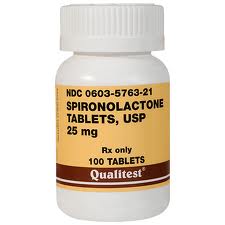
Spironolactone is the most common anti-androgen drug used for women with PCOS. It is a potassium-sparing diuretic, usually prescribed for treating edema (excess fluid) or high blood pressure. It is also an aldosterone antogonist. Its use for PCOS symptoms is off-label but has been going on for years.

Spironolactone is thought to help in the following way:
Spironolactone inhibits the testosterone secreted by the body, and also competes for hormone receptors in the hair follicles. Receptors are sites on cells which allow hormones or chemical to bind to them, creating a reaction. If another chemical is in the receptor site, androgens cannot bind to them and stimulate the reaction causing hair growth.
Spironolactone has been shown to significantly lessen facial hirsutism in women with PCOS. A recent Cochrane meta-analysis suggests that 100 mg daily is quite effective against hirsutism, although it noted that the quality of this evidence was low and more research is needed. Other OB guidelines have suggested that higher doses may be needed in some women, but that it's best to build dosage up slowly over time.

Some recent research also suggests that spironolactone might also help women with hair loss, either with or without accompanying minoxidil (Rogaine). Some women report that it slows down hair loss, but most do not report that it restores hair that has been lost. Although it does not seem particularly effective against alopecia, it is another option that can be tried since responsiveness varies between patients.

Its use for acne, however, is even less clear. A 2009 meta-analysis notes that studies on its use for acne are scarce and very small. More research is needed.

For many women with significant hirsutism, spironolactone is the medication of choice. However, again, spironolactone can cause significant birth defects, so it must always be used with a form of extremely reliable birth control in women who have even the smallest chance of becoming pregnant. This usually means the Pill, since oral contraceptives are one of the most effective forms of birth control. Since some types of the Pill can also help with hirsutism, the combination of the Pill and spironolactone can be particularly effective for many women with PCOS. However, not all find it effective.

Because spironolactone is a diuretic, you will need to be monitored to make sure you don't build up too much potassium in the blood. Nausea, fatigue, headache, lightheadedness, indigestion, thirst, and excessive urination are common side effects; heart arrhythmias can occur if potassium levels spike. Liver enzymes must be monitored regularly for signs of hepatotoxicity.

You can read more about the uses, side effects, and cautions for spironolactone here and here. Guidelines for its use with acne are discussed here.

Flutamide (brand name: Drogenil or formerly Eulexin)

Another medication that works similarly to spironolactone is flutamide. From one website:
Flutamide is a non-steroidal antiandrogen that is devoid of other hormonal activity. It most likely acts after converting to 2-hydroxyflutamide, which is a potent competitive inhibitor of dihydrotestosterone (DHT) binding to the androgen receptor.
A few studies have found that flutamide helps restore regular menstrual cycles and ovulation in women with PCOS, but it is most useful against hirsutism. It is available in the United States, but is usually prescribed for men with prostate cancer, not women with PCOS. As a result, most of the hirsutism research on it is European.

Flutamide can have significant liver toxicity, so some organizations recommend against it use. Flutamide can also result in significant gastrointestinal upset, as well as issues with dry skin. Because of these side effects, flutamide is generally considered unsuitable for the treatment of acne and other skin problems where its benefit is only minimal.

Because it is more effective for hirsutism, the benefit/risk ratio for this is more controversial. A recent Cochrane meta-analysis suggests that flutamide (250 mg, twice daily) is "effective and safe" against hirsutism, although it noted that the quality of this evidence was low. Another recent meta-analysis disagreed, stating:
Due to its risk for hepatotoxicity, flutamide is not considered a first-line therapy. If used, the lowest effective dose should be administered with careful monitoring of liver enzymes.
Flutamide may be somewhat effective for slowing down the progress of alopecia (hair loss). It likely does not restore thinned hair but may slow down or stop the process from continuing. Again, more research is needed.

Some care providers feel that flutamide is relatively safe with careful monitoring. Close monitoring of liver function via regular blood tests is very important. The chance for birth defects is quite high with Flutamide, so again, a very reliable form of birth control must be used, or it may be prescribed only for women with no childbearing potential.

You can read more about Flutamide here, here, and here.

Finasteride (brand name: Propecia or Proscar)

Finasteride is a 5 alpha-reductase inhibitor. It is FDA-approved for the treatment of baldness and/or Benign Prostatic Hyperplasia (BPH) in men. It has a relatively good safety profile and is well tolerated by most men, but it is quite expensive. It is not approved for use with PCOS or with women.

Finasteride has been shown in some research to be effective against hirsutism, though not for hair loss in women. It works by preventing the androgens from getting into the cells. However, the recent Cochrane meta-analysis notes that the research on finasteride is inconsistent and therefore conclusions cannot be reached. It does not appear to be effective against hair loss in women.

Finasteride can cause headaches and depression. It is associated with a very high risk of birth defects (pregnancy drug category X), so it is not used in women who have even the smallest chance of becoming pregnant. Some doctors consider it an option, however, for women who have no childbearing potential anymore.

You can read more about finasteride here.

Bicalutamide (brand name: Casodex, Calutide)

A fairly new anti-androgen option is bicalutamide. It is a 5 alpha-reductase inhibitor, like finasteride. Its mechanism of action is as follows:
Bicalutamide acts as a pure antiandrogen by binding to the androgen receptor and preventing its activation and subsequent upregulation of androgen-responsive genes by androgenic hormones. In addition, bicalutamide accelerates the degradation of the androgen receptor.
Although it can impact liver function, bicalutamide is considered to be less likely to cause damage than some other anti-androgen drugs, which is a big advantage.

Like finasteride, it is associated with a high risk of birth defects and is contraindicated in women with any chance of becoming pregnant. However, there is some minimal research on its use in women.

You can read more about bicalutamide here.

Combination Oral Contraceptives

As we have discussed before, certain combination oral contraceptives (using both estrogen and progestin) have strong anti-androgen effects. As a result, they are often the first-line treatment for PCOS and for hirsutism in general.

One OB website sums up the mechanism of action:
Oral contraceptives...suppress pituitary production of luteinizing hormone (LH) and follicle-stimulating hormone (FSH), which in turn suppress ovarian androgen production. OCs also may reduce adrenal androgen production, although the mechanism of action is unclear. 
The estrogen component in OCs increases hepatic production of sex hormone-binding globulin (SHBG), thereby decreasing free testosterone levels. The progestin component antagonizes 5α-reductase and the androgen receptor; it also may increase hepatic metabolism of testosterone and can increase SHBG when the OC has low androgenic activity.
However, the strength of anti-androgenic effect in oral contraceptives varies. Some birth control pills (second generation, especially those involving levonorgestrel) have strong androgenic effects, which can make symptoms worse in some women with PCOS.

Many of the later oral contraceptives (third- and fourth-generation) have a stronger anti-androgenic effect. These can be used on their own or in combination with other anti-androgenic drugs (usually spironolactone) to treat hirsutism and acne.

Unfortunately, the oral contraceptives with the strongest anti-androgenic effects tend to have the strongest risk of blood clots, particularly for women of size and/or women with PCOS. Each woman's unique medical history and risk factors must be considered very carefully before use of these oral contraceptives. You can read more about these risks herehere, and here.

Here are further details of two of the most commonly-prescribed anti-androgenic oral contraceptives, those using droperinone and those using cyproterone acetate.

Drosperinone

Drosperinone (also known as 1,2-dihydrospirorenone) is a synthetic steroidal progestin which has weak anti-androgenic properties. Structurally, it is similar to spironolactone.

When combined with ethinyl estradiol, it becomes the combination birth control pill called Yasmin, sometimes called a "fourth-generation" oral contraceptive. It has a modest effect against hirsutism and acne. (In a slightly different formulation, drosperinone plus estradiol is called Angeliq, and is sometimes used for menopausal symptoms.)

Yasmin is contraindicated in people with a history of liver, kidney, or adrenal insufficiency. Potassium levels must be carefully monitored in anyone on this medication.

Some research suggests that the risk for blood clots is significantly increased in people on Yasmin, both compared to those not on any birth control pills at all, and in those on other types of birth control pills. Certain risk factors (obesity, high blood pressure, family history of blood clots, diabetes, etc.) may raise the risk even more. Still, doctors point out that the absolute risk remains relatively low, and certainly lower than the risk of blood clots during pregnancy.

Cyproterone Acetate (CPA; brand names: Androcur and Cyprostat, among others)

CPA is another progestin that has anti-androgenic properties and may be used alone or as part of certain birth control pills. It inhibits production of androgens in ovarian theca cells, and also competes with androgens at receptor sites.

From its Wikipedia entry:
Cyproterone Acetate...is a synthetic steroidal antiandrogen drug with additional progestogen and antigonadotropic properties. Its primary action is to suppress the activity of the androgen hormones such as testosterone and its more potent metabolite dihydrotestosterone (DHT) in the body, effects which it mediates via competitive antagonism of the androgen receptor and inhibition of enzymes in the androgen biosynthesis pathway.
CPA is most often used as an anti-androgen treatment for men with prostate cancer. In PCOS women, it is an effective treatment for significant hirsutism and acne. It may be even more effective for this when combined with metformin. 

CPA may also slow the rate of hair loss in women with alopecia but this is not as well-researched. On the other hand, there are a number of anecdotal stories of women who say their hair loss greatly increased after stopping oral contraceptives with CPA. The true influence of CPA on alopecia remains to be figured out.

In the U.K. and Canada, CPA has been combined into the oral contraceptives known as Dianette and Diane-35. CPA and the Diane birth control pills are not available in the U.S.

The amount of CPA in most birth control pills is fairly small, and has only a modest effect on hirsutism. Higher doses of CPA tend to have more impact on hirsutism. However, it takes quite a while for the CPA in birth control pills to affect hirsutism; a trial of at least 6 months is needed, and often the maximum effect is not attained until 2-3 years later.

CPA can have significant liver toxicity. Liver enzymes, cortisol and electrolyte levels must be monitored when on CPA. A woman's ability to absorb vitamin B12 may also be impaired, while iron-binding abilities may be enhanced. B12 and ferritin levels should be monitored when on this medication long-term.

Nausea, vomiting, headache, depression, weight changes, edema, increased blood pressure, gallstones, and skin spots are potential side effects. Again, birth defects can occur with this drug, so effective birth control is needed, which is why it is usually administered in oral contraceptive form.

Blood clots are also a significant risk; women on birth control pills with CPA have a higher risk for blood clots than women on certain other types of the Pill, but some OB organizations feel that they can be worth the risk. Like Yasmin, the absolute risk of a blood clot is fairly low, but may be increased in women with certain risk factors.

If you consider use of CPA, a CPA oral contraceptive (like Dianette), or a drosperinone oral contraceptive (Yasmin), be sure to consult with your care providers carefully about your health history, risk factors, and the benefit/risk ratio of these medications. 

You can read more about Dianette oral contraceptives here and the newer oral contraceptives in general here.

Insulin-Sensitizing Medications

Insulin-sensitizing drugs are not anti-androgen drugs per se. However, by reducing insulin levels, they may have some anti-androgenic effects and can be somewhat effective against hirsutism or acne. Since they have the distinct advantage of being effective against multiple PCOS symptoms at the same time, some providers will prescribe insulin sensitizers first in women with PCOS.

Metformin (brand name Glucophage) is the most commonly used insulin-sensitizing medication in PCOS. TZDs like Actos and Avandia may be somewhat effective against hirsutism but because of concerns over their safety, are not used as commonly as metformin. You can read more about TZDs here.

Metformin has been shown in some past research to be as good as or somewhat better than oral contraceptives alone in reducing hirsutism in women with PCOS. A 2009 literature review for the American Academy of Family Physicians notes that past research showed that metformin was as effective for treatment of hirsutism as many oral contraceptives, although later research did not confirm its effectiveness.

Nowadays, metformin and other insulin-sensitizers are not considered to be first-line drugs for use alone against hirsutism. One recent review said:
Monotherapy with an insulin sensitizer does not significantly improve hirsutism. While insulin sensitizers improve important metabolic and endocrine aberrations in polycystic ovary syndrome, they are not recommended when hirsutism is the sole indication for use.
More recent research suggests that metformin modestly increases the effectiveness of other anti-hirsutism medications, particularly oral contraceptives and spironolactone. In other words, while metformin probably shouldn't be prescribed by itself for hirsutism, it may well be prescribed in combination with an anti-androgen medication (probably spironolactone) or an oral contraceptive.

Herbs for Anti-Androgenic Effects

In addition to traditional medicines, there are herbs that are reputed to have anti-androgenic effects.  

For example, herbal spearmint tea has long been used as an anti-hirsutism treatment in Middle Eastern cultures. Research suggests that spearmint tea may have mild anti-androgenic effects and may be helpful with hirsutism, but longer studies are needed to evaluate this.

Other possible herbal agents may include red reishi (a mushroom used in Chinese medicine), licorice root, Chinese peony, green tea, black cohosh, and saw palmetto extract. Many women with PCOS use chaste tree/vitex in particular. More information on the (rather sparse) research behind these possibilities can be found here.
Conclusion

Some of the most distressing symptoms of PCOS are the ones that affect a woman's appearance. Most (though not all) women with PCOS experience excess facial and body hair. Many experience cystic acne, and some also experience thinning hair on the head. Add in the obesity common to PCOS, and symptoms strike right at the heart of a woman's self-esteem.

Although most clinicians focus more on menstrual cycle and insulin resistance, the majority of women with PCOS actually seek treatment for cosmetic issues or fertility concerns. Distressing cosmetic issues are often the biggest priority because of the impact on social lives and self-esteem.

Most clinicians utilize oral contraceptives as the first-line treatment for symptoms of androgen excess like hirsutism. If there is not enough improvement after about 6 months, they may add in an insulin-sensitizing medication or an anti-androgen drug as well. Patients are often counseled to consider cosmetic solutions as well (such as electrolysis, laser treatment, or eflornithine for hirsutism).

Anti-androgen drugs have been shown to be reasonably effective against hirsutism and acne, but are not very effective in slowing down hair loss and usually do not restore hair that is already gone. CPA may show some promise for alopecia but more research is needed, and it is also not uniformly available. It also carries significant risks for blood clots, and withdrawal from the medication may make hair loss worse.

The efficacy of anti-androgen medications varies strongly from person to person. Some women get very effective help from these drugs, while others get little relief at all.

Some only get results when combining anti-androgen drugs with birth control pills and/or metformin. Others get better relief from herbs, or a combination of herbs and cosmetic treatments. Still others never get much effect at all, whatever the combination of treatments. As always, the key is to experiment with various treatment protocols and see what works for you.

Again, because the risk for blood clots, birth defects, and toxicity with these anti-androgen drugs is very high, be sure you thoroughly research the pros and cons of each choice, consult carefully with a healthcare provider about your risk factors, get baseline and follow-up blood tests, and have a foolproof plan for birth control in place.

Anti-androgen drugs can be an effective tool in the PCOS toolbox. Some women find them very helpful, while others prefer to avoid them. They do carry significant risks so consider all the pros and cons thoroughly before you decide on whether to make them part of your PCOS toolbox.


References

Anti-Androgen Medications, General Information
Spironolactone 

Cochrane Database Syst Rev. 2009 Apr 15;(2):CD000194. doi: 10.1002/14651858.CD000194.pub2. Spironolactone versus placebo or in combination with steroids for hirsutism and/or acne. Brown J1, Farquhar C, Lee O, Toomath R, Jepson RG. PMID: 19370553
AUTHORS' CONCLUSIONS: From the studies included in this review, there is some evidence to show that spironolactone is an effective treatment to decrease the degree of hirsutism but there was no evidence for effectiveness for the treatment of acne vulgaris. Studies in this area are scarce and small. Individual study data indicates some superiority of spironolactone over other drugs but results cannot be generalised.
J Endocrinol Invest. 2005 Jan;28(1):49-53. Spironolactone in the treatment of polycystic ovary syndrome: effects on clinical features, insulin sensitivity and lipid profile. Zulian E et al.  PMID: 15816371
...Twenty-five patients...were studied at baseline and then received oral spironolactone (100 mg/die) for 12 months...The efficacy of spironolactone on the androgenic clinical aspects of PCOS has been confirmed in this study. Furthermore, our data show that long-term treatment with spironolactone exerts no negative effects on lipoprotein profile and glucose metabolism; more relevant beneficial effects on glucose and lipid metabolism were observed when the antiandrogen was associated with weight loss in overweight PCOS women.
Dermatol Clin. 2010 Jul;28(3):611-8. doi: 10.1016/j.det.2010.03.011. Innovative use of spironolactone as an antiandrogen in the treatment of female pattern hair loss. Rathnayake D1, Sinclair R. PMID: 20510769
...Although androgens play a key role in the pathogenesis of male pattern hair loss (MPHL), the role of androgens in female pattern hair loss (FPHL) is less well established. Satisfactory treatment response to antiandrogen therapy supports the involvement of androgens in the pathogenesis of FPHL...Spironolactone both reduces adrenal androgen production and exerts competitive blockade on androgen receptors in target tissues. Spironolactone has been used off-label in FPHL for over 20 years. It has been shown to arrest hair loss progression with a long-term safety profile. A significant percentage of women also achieve partial hair regrowth....
Flutamide

Arch Gynecol Obstet. 2009 Mar;279(3):321-7. doi: 10.1007/s00404-008-0719-z. Epub 2008 Jul 8. The risk of hepatotoxicity during long-term and low-dose flutamide treatment in hirsutism. Dikensoy E1, Balat O, Pence S, Akcali C, Cicek H. PMID: 18607612
OBJECTIVE: Flutamide is an effective drug in treatment of hirsutism. Hepatotoxicity occasionally may occur with therapeutic doses (750-1500 mg/day), 3 months after initiation of treatment. Monitoring of serum aspartate aminotransferase (AST) and alanine aminotransferase (ALT) levels is recommended to obviate serious hepatotoxicity. MATERIALS AND METHODS: Two hundred and fourteen patients with mean age of 20.9+/-2.34 years suffering from hirsutism were included in the study...Fifty-seven patients with PCOS (group 1) were given flutamide 125 mg/day + oral contraceptive. Sixty patients with PCOS (group 2) were given flutamide 250 mg/day + oral contraceptive. Forty-seven patients with IH (group 3) were given flutamide 125 mg/day alone, and 50 patients with IH (group 4) were given flutamide 250 mg alone. Thirty women in control group (group 5) were given placebo only...RESULTS: No incidence of increase in AST or ALT levels (>or= 45 U/L) was observed in any of the groups...CONCLUSION: We conclude that flutamide in a dosage of 125 or 250 mg daily is a safe drug in the long-term treatment of hirsutism. The follow-up of patients receiving flutamide can be done by monitoring AST or ALT levels for hepatotoxicity.
Ginekol Pol. 2013 Apr;84(4):258-62. Clinical efficacy of low dose flutamide plus Diane-35 in the treatment of idiopathic hirsutism and polycystic ovary syndrome. Boztosun A1, Açmaz G, Ozturk A, Müderris II. PMID: 23700857
...26 polycystic ovary syndrome and 24 idiopathic hirsutism patients were evaluated...All patients received 125 mg Flutamide once a day and Diane 35 tablets for 21 days of each month, for 12 months...The decreases in Ferriman-Gallwey scores were significant in both groups in the 6th and 12th month of therapy. Combined treatment significantly decreased total and free testosterone, DHEAS and significantly increased SHBG levels in both groups and additionally decreased levels of LH, androstenodione and LH/FSH ratio in the polycystic ovary syndrome group. CONCLUSION: Combined treatment was effective and safe in the treatment of hirsutism. Combined regimens have additional effects on the treatment of hirsutism.
Finasteride

Gynecol Endocrinol. 2003 Feb;17(1):57-63. The benefits of finasteride for hirsute women with polycystic ovary syndrome or idiopathichirsutism. Lakryc EM, et al.  PMID: 12724020
...The aim of this study was to evaluate the clinical and hormonal effects of finasteride on hirsute women with idiopathic hirsutism or polycystic ovary syndrome. Twenty-four women were randomly divided into two groups: those given placebo and those given finasteride 5 mg/day. The treatment period was 6 months. All patients were evaluated before the beginning of treatment (baseline) and after 3 and 6 months of treatment...All the patients treated with finasteride perceived a reduction in hirsutism after 6 months. In conclusion, our data suggest that finasteride may be effective for the treatment of the hirsute woman with idiopathic hirsutism or polycystic ovary syndrome.
Bicalutamide

Gynecol Endocrinol. 2002 Feb;16(1):63-6. New alternative treatment in hirsutism: bicalutamide 25 mg/day. Müderris II1, Bayram F, Ozçelik B, Güven M. PMID: 11915584
The efficacy of low-dose bicalutamide (25 mg/day) in the treatment of hirsutism was investigated in this study...42 women with hirsutism...received 25 mg/day bicalutamide... Clinical improvement in the degree of hirsutism was observed in all patients by the same author. The modified Ferriman-Gallwey scores decreased from a mean of 22.0 +/- 5.1 to 8.6 +/- 3.5 (p < 0.0001). The reduction in hirsutism scores was 41.2 +/- 11.4% at 3 months and 61.6 +/- 11.1% at 6 months. In conclusion, bicalutamide at 25 mg/day is an effective drug in the treatment of patients with hirsutism.
Comparisons of Different Anti-Androgen Medications

Cochrane Database Syst Rev. 2015 Apr 28;4:CD010334. doi: 10.1002/14651858.CD010334.pub2.
Interventions for hirsutism (excluding laser and photoepilation therapy alone). van Zuuren EJ1, Fedorowicz Z, Carter B, Pandis N. PMID: 25918921
...AUTHORS' CONCLUSIONS: Treatments may need to incorporate pharmacological therapies, cosmetic procedures, and psychological support. For mild hirsutism there is evidence of limited quality that OCPs are effective. Flutamide 250 mg twice daily and spironolactone 100 mg daily appeared to be effective and safe, albeit the evidence was low to very low quality. Finasteride 5 mg daily showed inconsistent results in different comparisons, therefore no firm conclusions can be made. As the side effects of antiandrogens and finasteride are well known, these should be accounted for in any clinical decision-making. There was low quality evidence that metformin was ineffective for hirsutism and although GnRH analogues showed inconsistent results in reducing hirsutism they do have significant side effects. Further research should consist of well-designed, rigorously reported, head-to-head trials examining OCPs combined with antiandrogens or 5α-reductase inhibitor against OCP monotherapy, as well as the different antiandrogens and 5α-reductase inhibitors against each other....
Beigi A, Sobhi A, Zarrinkoub F. Finasteride versus cyproterone acetate-estrogen regimens in the treatment of hirsutism. International Journal of Gynaecology and Obstetrics. 2004; 87: 29-33. PMID: 15464773
...Forty hirsute women were enrolled in a prospective randomized trial. Twenty-nine had polycystic ovary syndrome (PCOS) and 11 had idiopathic hirsutism. Patients were randomly treated with finasteride (5 mg/day; n=20) or CPA plus EE2 [CPA (25 mg/day on days 5-14) plus EE2 (20 microg/day on days 5-25) n=20] for 9 months... CONCLUSION: Finasteride and CPA plus EE2 are equally effective in decreasing hirsutism, despite significantly different effects on serum hormone levels.
Calaf J, Lopez E, Millet A, et al. Long-term efficacy and tolerability of flutamide combined with oral contraception in moderate to severe hirsutism: a 12-month, double-blind, parallel clinical trial. Journal of Clinical Endocrinology and Metabolism. 2007; 92: 3446-3452. PMID: 17566093
OBJECTIVE: Our objective was to test the efficacy and tolerability of three doses of flutamide (125, 250, and 375 mg) combined with a triphasic oral contraceptive (ethynylestradiol/levonorgestrel) during 12 months to treat moderate to severe hirsutism in patients with polycystic ovary syndrome or idiopathic hirsutism. DESIGN: We conducted a randomized, double-blind, placebo-controlled, parallel clinical trial...A total of 119 patients were included in the intention-to-treat analysis... CONCLUSIONS: Flutamide at 125 mg daily during 12 months was the minimum effective dose to diminish hirsutism in patients with polycystic ovary syndrome or with idiopathic hirsutism.
Moghetti P, Tosi F, Tosti A, et al. Comparison of spironolactone, flutamide and finasteride efficacy in the treatment of hirsutism: a randomized, double blind, placebo-controlled trial. Journal of Clinical Endocrinology and Metabolism. 2000; 85: 89-94. PMID: 10634370
To compare objectively the efficacies of spironolactone (100 mg/day), flutamide (250 mg/day), and finasteride (5 mg/day) in the treatment of hirsutism, 40 hirsute women were randomly assigned to double blind treatments with 1 of these 3 drugs or placebo for 6 months...spironolactone, flutamide, and finasteride are all effective in the treatment of hirsutism. After a 6-month course of therapy, the clinical efficacies of these drugs, at least at the doses used, are similar.
Anti-Androgen Effects of Various Oral Contraceptives 

Fertil Steril. 2012 Jul 13. Comparative study of the therapeutic effects of oral contraceptive pills containing desogestrel, cyproterone acetate, and drospirenone in patients with polycystic ovary syndrome. Bhattacharya SM, Jha A.  PMID: 22795636
OBJECTIVE: To compare the effects of oral contraceptive pills containing desogestrel, cyproterone acetate, and drospirenone, in polycystic ovary syndrome (PCOS), after 6 and 12 months of therapy. DESIGN: Double-blind randomized controlled trial... PATIENT(S): Women (n = 171) with PCOS (Androgen Excess Society criteria, 2006). INTERVENTION(S): The three-arm trial involved 58, 56, and 57 cases in desogestrel, cyproterone acetate, and drospirenone groups, respectively... CONCLUSION(S): No difference in effects after 6 months. At 12 months, cyproterone acetate showed the strongest antiandrogen activities. Effects on metabolic parameters were identical. 
Arch Gynecol Obstet. 2014 Aug;290(2):321-8. doi: 10.1007/s00404-014-3217-5. Epub 2014 Mar 28. Comparison of two oral contraceptive forms containing cyproterone acetate and drospirenone in the treatment of patients with polycystic ovary syndrome: a randomized clinical trial. Kahraman K1, Sükür YE, Atabekoğlu CS, Ateş C, Taşkın S, Cetinkaya SE, Tolunay HE, Ozmen B, Sönmezer M, Berker B. PMID: 24676694
PURPOSE: To compare the effects of combined oral contraceptives (OCs) containing cyproterone acetate and drospirenone in the treatment of polycystic ovary syndrome (PCOS). METHODS: Fifty-two patients with PCOS were randomized in two groups: group A (n = 26) received 0.035 mg ethinyl estradiol + 2 mg cyproterone acetate and group B (n = 26) received 0.03 mg ethinyl estradiol + 3 mg drospirenone-containing OCs for 12 months...CONCLUSIONS: Cyproterone acetate containing OCs seem to be more effective to treat clinical hirsutism in patients with PCOS after 12 months of treatment.
Drosperinone

Ther Clin Risk Manag. 2008 Apr;4(2):487-92. Use of ethinyl estradiol/drospirenone combination in patients with the polycystic ovary syndrome. Mathur R, Levin O, Azziz R.   PMID: 18728832   Free full text available here.
...One of the main issues in COC [combined oral contraceptive] therapy is choosing the most appropriate progestin component to provide the greatest anti androgenic effects. Drospirenone, a relatively new progestin, has shown benefit in the PCOS population when used in conjunction with ethinyl estradiol. We now review the role of COCs in PCOS, focusing specifically on drospirenone. Controversy over metabolic effects of COCs in PCOS is also discussed. 
Cyproterone Acetate (CPA) 

See Mathur 2008 above for CPA information also
Gynecol Endocrinol. 2008 Oct;24(10):590-600. The effects of Diane-35 and metformin in treatment of polycystic ovary syndrome: an updated systematic review. Jing Z, et al. PMID: 19012104
...A systematic review and meta-analysis were conducted. Randomized controlled studies applying Diane-35 and metformin for treating PCOS were included. The primary outcome was hirsutism...CONCLUSIONS: Diane-35 is superior to metformin in reducing androgens, but inferior to metformin in reducing insulin. Whether Diane-35 deteriorates lipid metabolism and insulin resistance is still unclear.
Treatment of Hirsutism
General Review of PCOS Treatments

Clin Evid (Online). 2009 Jan 15;2009. pii: 1408. PCOS. Cahill D. PMID: 19445767  Free full text available here.
...CONCLUSIONS: In this systematic review we present information relating to the effectiveness and safety of the following interventions: finasteride, flutamide, metformin, spironolactone, cyproterone acetate-ethinylestradiol (co-cyprindiol), interventions to achieve weight loss, ketoconazole, and mechanical hair removal.
Am Fam Physician. 2009 Apr 15;79(8):671-676. Drug Treatment for Polycystic Ovary Syndrome. Radosh, L. American Academy of Family Physicians. Free full text available here

Sunday, January 4, 2015

Recent Studies on Inositol for PCOS

Here are the abstracts of some new studies on the use of inositol (d-chiro-inositol or myo-inositol) in women with Polycystic Ovarian Syndrome (PCOS).

Inositol is a naturally-occurring substance in our foods that helps us process insulin properly. Normally, our bodies convert substances in plants and animals into several different forms of inositol. Two of these inositols are used in insulin-signaling pathways. However, some research suggests that women with PCOS do not use inositol properly, leading to insulin-signaling problems. 

These defects in insulin signaling means that the body has to over-produce insulin to compensate. The insulin that is produced does not get used properly, causing excess amounts to stay in the body.

This in turns stimulates the production of androgens ("male" hormones), leading to an imbalance in hormones in the body and many of the distressing symptoms of PCOS (including hirsutism, alopecia, acne, and difficulty ovulating).

And because the body struggles to use its insulin properly, this can lead to increased blood sugar issues over time. This is why many women with PCOS become diabetic at some point in their lives.

Now, however, emerging research suggests that supplementing the body with these inositols may help insulin signaling, thus lowering insulin resistance and improving blood sugar. It may even help lessen PCOS symptoms.

We've discussed inositols before in detail, here, which can be read for a good start on the subject. But right now let's take a look at some of the latest thinking on inositols, as well as on studies that have been released since that original post or were not cited in it.

How Inositols Work in Insulin Signaling

First, a little background for those new to the topic.

Inositols act as "second messengers" in insulin signaling. They play a very important role in how we use insulin.

Insulin produced by the body binds to insulin receptors on the cell walls. From there, the receptor generates second messengers (inositolphosphoglycans, or IPGs) to relay and amplify the signal to help the body use the insulin effectively.

But women with PCOS seem to have a defect in their second messenger pathway. This could explain why they have such strong insulin resistance. One PCOS resource simplifies it this way:
When we eat foods (mostly carbohydrates), they get converted into glucose in our blood stream. We need the glucose to enter our cells to be used for energy. When blood glucose levels rise, a signal (imagine a doorbell is rung) is sent from the cell door to the nucleus telling it to open up. However, with PCOS, the doorbell on the cell door may be defective. This means that it takes longer for the cells to open its doors to glucose resulting in higher amounts of insulin needing to be secreted. Secondary messengers acts to repair the doorbell so that the cell doors open in response to glucose, resulting in less insulin needing to be secreted. 
Improving this second messenger pathway could also become a radical new way of treating PCOS. As one review noted:
The discovery that the impairment in the insulin signalling could be due to a defect in the inositolphosphoglycans (IPGs) second messenger pathway opened a new horizon in the clinical management of PCOS. IPGs are known to have a role in activating enzymes that control glucose metabolism. In PCOS women, a defect in tissue availability or altered metabolism of inositol or IPGs mediators may contribute to insulin resistance
So the problem in PCOS may simply be errors in the second messenger insulin signaling pathway, and treating women with some form of inositol may help bridge the errors in this pathway.

The question is, which is the most effective form of inositol and should the type/dosage used depend on its purpose?

Which Form of Inositol Works Best?

Two forms of inositol get the most attention in PCOS research:
  • myo-inositol (MI or MYO)
  • d-chiro-inositol (DCI)
Both are forms of inositol, just slightly different stereoisomers. Both play important roles in insulin signaling; their roles are different but complementary.

MI is usually seen as a precursor to DCI; evidence suggests that the body converts myo-inositol to d-chiro inositol. Another inositol stereoisomer, d-pinitol, is also thought to convert into DCI in the body, but MI is thought to be the more important source.

However, many women with PCOS seem to have difficulty with the conversion from MI to DCI, suggesting that PCOS may be caused (or at least influenced) by errors in inositol metabolism. 

So, the theory goes, if we supplement the body directly with inositol, that might help help replace what's missing or make it work more efficiently.

As a result, people have been experimenting with inositol supplements, either myo-inositol or d-chiro-inositol. And the results of these experiments have been promising so far, both in research and anecdotally.

One of the most important questions that has yet to be answered is whether myo-inositol or d-chiro inositol (or some combination of the two) is the best treatment for women with PCOS and what the best dosage/treatment regimen would be.

MI is the form of inositol that is cheapest and easiest to use. It can be bought in capsules over the counter in many health food stores or in bulk powder over the internet. The thought is that if you take enough of it, then the body will convert more of it into DCI and improve insulin signaling, thus decreasing PCOS symptoms and health issues.

On the other hand, DCI is the form that seems to work best on improving hyperandrogenism and possibly insulin resistance. If some women have difficulties converting MI to DCI, why not skip to the chase and supplement directly with DCI?

Early studies on DCI had excellent results and so DCI was the focus of most research at first. However, subsequent studies were not able to replicate these results, so the drug companies largely abandoned DCI as a line of inquiry in 2002. DCI seemed discredited at that point.

What the research since then has suggested is that the initial follow-up studies didn't replicate the studies exactly ─ they increased the dosage in hopes of even better effect. But it seems that they increased the DCI dosage too much ─ apparently, there is a point of diminishing returns with DCI, beyond which it ceases to be helpful, particularly with fertility concerns. So the reason the follow-up studies didn't validate the original studies was because they used a too-high dosage, not because DCI was not potentially useful.

After the supposed "discrediting" of DCI, research on inositols was minimal and mostly focused on MI. Once researchers realized that a too-high DCI dosage was counter-productive and that MI also had benefits, research began to increase on both inositols.

Since myo-inositol is much cheaper and easier to produce, research still often focuses on MI. But some providers still feel that a moderate dose of DCI is a better choice. Still others feel that a combination of MI and DCI should work better, since both work on insulin signaling in different ways.

So what we do know is that there is no clear consensus on inositols yet but that data is emerging and it's important to keep up on the latest research.

Current research seems to suggest that MI is the inositol of choice for PCOS women with fertility issues (it especially seems to improve egg quality) and that MI works better than DCI for fertility treatment.

On the other hand, DCI may be better for those PCOS women with major hyperandrogenism issues and for whom fertility is not a major concern.

The jury is still out on which form is better for significant blood sugar/insulin resistance issues; there is research to support either MI and DCI (or both) for this purpose.

The very latest trend seems to be having women with PCOS take both MI and DCI in a 40:1 ratio (MI to DCI). This usually translates to MI (2-4 grams) and DCI (50-100 mg), but exact dosages will vary from person to person.

Recent research suggests this combination seems to be more effective than either MI or DCI alone. This is logical if they do indeed work on insulin signaling in different ways.

But it may be that the best treatment regimen may differ from woman to woman because the degree of impaired conversion may differ from person to person.

Remember, PCOS tends to have a spectrum of severity. Some have only mild symptoms while others have very severe symptoms. This may reflect a spectrum of efficiency in conversion of MI to DCI. As one resource speculates:
Considering the spectrum of human genetic diversity (take height for example), why should this trait be black/white, yes/no, or on/off? With a little imagination, we can see this impaired conversion of myo-inositol to D-chiro-inositol as a spectrum. Some women make the conversion efficiently, and they have no symptoms of PCOS. Others may make the conversion with some degree of efficiency, but not quite enough to have an optimal MYO/DCI ratio. Their symptoms may be mild. At the other end of the spectrum some people would be completely unable to make this conversion, and they would consequently present with the most severe symptoms. And, as part of the human tapestry, there would be everything in between as well.

Which brings us to the question of which inositol is right for me? Along this spectrum, people who are completely unable to convert myo-inositol to D-chiro-inositol are only going to benefit from supplementation with D-chiro-inositol. Other people who make the conversion, but with less than optimal efficiency, may benefit from large doses of myo-inositol. And, folks in between, might see the best results from a blend of the two.
In other words, some women with PCOS seem to convert MI to DCI pretty well, in which case they probably don't need to take supplemental DCI, just MI. However, others probably do not convert MI to DCI very well and may benefit more from just DCI. Still others may do best with a combination of both.

How are we to know which treatment regimen to try? As always, we need bigger and more qualitative studies to guide our choices.

But in the end, it may also be that each woman (in concert with her care provider) has to experiment and find the right regimen and dosage for her unique needs. 

Summary

More and more research is being done on the use of the inositols for PCOS, and most of this research so far is very encouraging. Some researchers are even suggesting that:
...the combined administration of MI and DCI in physiological plasma ratio (40:1) should be considered as the first line approach in PCOS overweight patients.
As we have seen, the most important benefit of inositols may be in improving insulin signaling, thus reducing insulin resistance and lessening PCOS symptoms. If insulin resistance is the major issue with PCOS and research continues to be promising, then inositols may become the key element to treating it. They may be especially useful for those who cannot tolerate metformin.

But there may be other benefits beyond improving the insulin-signaling pathway. For example, inositols are thought to also help the liver to metabolize fat, which may be helpful to those PCOS women with NAFLD (Non-Alcoholic Fatty Liver Disease).

In addition, inositols act as "signal transduction systems" in ways beyond insulin signaling pathways. They may also be related to the activation of serotonin receptors. Some research suggests that high doses of MI may reduce the risk of depression, which may be more common in people with PCOS.

There is only limited data on the use of inositols during pregnancy but some research suggests that use of myo-inositol may significantly lower the risk for the development of gestational diabetes in women with PCOS, in women with diabetic relatives, or in those who are at otherwise high risk for gestational diabetes.

However, keep in mind that most of the research trials on inositols have been very small, quite short-term, and are highly variable in methodological quality. Most are done in Italy and are not taken very seriously by many care providers in the U.S. or U.K. As a result, some researchers don't feel that any of the inositols have been adequately proven yet. And some care providers haven't even heard of inositols, so it can be difficult to find a provider supportive of trying this therapy.

Bottom line, we need more and better trials to know if long-term use of the inositols is safe and effective and to help care providers feel more comfortable with their use.

In particular, there are a few pressing safety questions that need to be addressed:

  • Some sources suggest that women who are on anti-depressants or medications for bipolar disorder may need to avoid inositols or use them only with great care since inositols may affect serotonin receptors
  • Some resources recommend that DCI not be used in conjunction with anti-androgen medications like spironolactone because the two together may be too effective against androgens and a certain amount of androgens are actually needed by the body
  • We need more data proving conclusively that inositols are safe in pregnancy
  • We need more data examining potential interactions with other drugs since many women with PCOS take other medications as well

In short, research on the use of inositols for PCOS is emerging and it behooves us to keep a close watch on emerging research to keep up with the latest developments.

The good news is that the results so far are promising. Below are the abstracts from some of the more important recent studies on inositol use.

*You can read more about the use of the inositols for treatment of PCOS herehere, here, and here. My original blog post about the use of inositols for PCOS can be found here


References

Overview

Eur Rev Med Pharmacol Sci. 2014 Jul;18(13):1896-903. Inositol: history of an effective therapy for Polycystic Ovary Syndrome. Bizzarri M1, Carlomagno G. PMID: 25010620 Free full text here.
Inositol is a physiological compound belonging to the sugar family. The two inositol stereoisomers, myo-inositol and D-chiro inositol are the two main stereoisomers present in our body. Myo-inositol is the precursor of inositol triphosphate, a second messenger regulating many hormones such as TSH, FSH and insulin. D-chiro inositol is synthetized by an insulin dependent epimerase that converts myo-inositol into D-chiro-inositol...In [PCOS] patients myo and/or D-chiro-inositol administration improves insulin sensitivity while only myo-inositol is a quality marker for oocytes evaluation. Myo-inositol produces second messengers for FSH and glucose uptake, while D-chiro inositol provides second messengers promoting glucose uptake and glycogen synthesis. The physiological ratio of these two isomers is 40:1 (MI/DCI) and seems to be an optimal approach for the treatment of PCOS disorders.
d-chiro inositol

Gynecol Endocrinol. 2014 Jun;30(6):438-43. doi: 10.3109/09513590.2014.897321. Epub 2014 Mar 7. Modulatory role of D-chiro-inositol (DCI) on LH and insulin secretion in obese PCOS patients. Genazzani AD1, Santagni S, Rattighieri E, Chierchia E, Despini G, Marini G, Prati A, Simoncini T. PMID: 24601829
...Since it has been demonstrated a high incidence of insulin resistance in PCOS patients, our study aimed to evaluate the efficacy of the integrative treatment with D-chiro-inositol (DCI) (500 mg die, per os, for 12 weeks) on hormonal parameters and insulin sensitivity in a group of overweight/obese PCOS patients (body mass index; BMI > 26). After the treatment, interval several endocrine parameters improved (luteinizing hormone [LH], LH/follicle stimulating hormone [FSH], androstenedione and insulin), insulin response to oral glucose tolerance test reported the significant improvement of insulin sensitivity as well as the gonadotropin-releasing hormone (GnRH)-induced (10 µg, in bolus) LH response. BMI decreased, though no lifestyle modification was requested. When data were analyzed according to the presence or absence of first-grade diabetic relatives, PCOS patients with diabetic relatives showed greater improvement after DCI administration. In conclusion DCI administration is effective in restoring better insulin sensitivity and an improved hormonal pattern in obese hyperinsulinemic PCOS patients, in particular, in hyperinsulinemic PCOS patients who have diabetic relatives.
Arch Gynecol Obstet. 2014 Nov 22. [Epub ahead of print] Evaluation of ovarian function and metabolic factors in women affected by polycystic ovary syndrome after treatment with D-Chiro-Inositol. Laganà AS1, Barbaro L, Pizzo A. PMID: 25416201
...We enrolled 48 patients, with homogeneous bio-physical characteristics, affected by PCOS and menstrual irregularities. These patients underwent treatment with 1 gr of D-Chiro-Inositol/die plus 400 mcg of Folic Acid/die orally for 6 months...We evidenced a statistically significant reduction of systolic blood pressure, Ferriman-Gallwey score, LH, LH/FSH ratio, total Testosterone, free Testosterone, ∆-4-Androstenedione, Prolactin, and HOMA Index; in the same patients, we noticed a statistically significant increase of SHBG and Glycemia/IRI ratio. Moreover, we observed statistically significant (62.5 %; p < 0.05) post-treatment menstrual cycle regularization. CONCLUSIONS: D-Chiro-Inositol is effective in improving ovarian function and metabolism of patients affected by PCOS.
Gynecol Endocrinol. 2015 Jan;31(1):52-6. doi: 10.3109/09513590.2014.964201. Epub 2014 Sep 30. The menstrual cycle regularization following d-chiro-inositol treatment in PCOS women: a retrospective study. La Marca A1, Grisendi V, Dondi G, Sighinolfi G, Cianci A. PMID: 25268566
...The objective of this study was to retrospectively analyze the effect of DCI on menstrual cycle regularity in PCOS women. This was a retrospective study of patients with irregular cycles who were treated with DCI. Of all PCOS women admitted to our centre, 47 were treated with DCI and had complete medical charts. The percentage of women reporting regular menstrual cycles significantly increased with increasing duration of DCI treatment (24% and 51.6% at a mean of 6 and 15 months of treatment, respectively). Serum AMH levels and indexes of insulin resistance significantly decreased during the treatment. Low AMH levels, high HOMA index, and the presence of oligomenorrhea at the first visit were the independent predictors of obtaining regular menstrual cycle with DCI. In conclusion, the use of DCI is associated to clinical benefits for many women affected by PCOS including the improvement in insulin resistance and menstrual cycle regularity. Responders to the treatment may be identified on the basis of menstrual irregularity and hormonal or metabolic markers.
myo-inositol 

Gynecol Endocrinol. 2014 Sep 26:1-5. [Epub ahead of print] Ovulation induction with myo-inositol alone and in combination with clomiphene citrate in polycystic ovarian syndrome patients with insulin resistance. Kamenov Z1, Kolarov G, Gateva A, Carlomagno G, Genazzani AD. PMID: 25259724
...The aim of the present study is to evaluate the effectiveness of myo-inositol alone or in combination with clomiphene citrate for (1) induction of ovulation and (2) pregnancy rate in anovulatory women with PCOS and proven insulin resistance. Patients and methods: This study included 50 anovulatory PCOS patients with insulin resistance. All of them received myo-inositol during three spontaneous cycles. If patients remained anovulatory and/or no pregnancy was achieved, combination of myo-inositol and clomiphene citrate was used in the next three cycles. Ovulation and pregnancy rate, changes in body mass index (BMI) and homeostatic model assessment (HOMA) index and the rate of adverse events were assessed. Results: After myo-inositol treatment, ovulation was present in 29 women (61.7%) and 18 (38.3%) were resistant. Of the ovulatory women, 11 became pregnant (37.9%). Of the 18 myo-inositol resistant patients after clomiphene treatment, 13 (72.2%) ovulated. Of the 13 ovulatory women, 6 (42.6%) became pregnant. During follow-up, a reduction of body mass index and HOMA index was also observed. Conclusion: Myo-inositol treatment ameliorates insulin resistance and body weight, and improves ovarian activity in PCOS patients.
Gynecol Endocrinol. 2013 Apr;29(4):375-9. doi: 10.3109/09513590.2012.743020. Epub 2013 Jan 22. Endocrine and clinical effects of myo-inositol administration in polycystic ovary syndrome. A randomized study. Artini PG1, Di Berardino OM, Papini F, Genazzani AD, Simi G, Ruggiero M, Cela V. PMID: 23336594
...50 overweight PCOS patients...underwent hormonal evaluations and an oral glucose tolerance test (OGTT) before and after 12 weeks of therapy (Group A (n¼10): MYO 2 g plus folic acid 200 mg every day; Group B (n¼10): folic acid 200 mg every day). Ultrasound examinations and Ferriman-Gallwey score were also performed... RESULTS: After 12 weeks of MYO administration plasma LH, PRL, T, insulin levels and LH/FSH resulted significantly reduced. Insulin sensitivity, expressed as glucose-to-insulin ratio and HOMA index resulted significantly improved after 12 weeks of treatment. Menstrual cyclicity was restored in all amenorrheic and oligomenorrheic subjects. No changes occurred in the patients treated with folic acid. CONCLUSIONS: MYO administration improves reproductive axis functioning in PCOS patients reducing the hyperinsulinemic state that affects LH secretion.
Combined Therapy (MI plus DCI)

J Clin Pharmacol. 2014 Oct;54(10):1079-92. doi: 10.1002/jcph.362. Epub 2014 Jul 18. The rationale of the myo-inositol and D-chiro-inositol combined treatment for polycystic ovary syndrome. Dinicola S1, Chiu TT, Unfer V, Carlomagno G, Bizzarri M. PMID: 25042908
...Two inositol isomers, myo-inositol (MI) and D-chiro-inositol (DCI) have been proven to be effective in PCOS treatment, by improving insulin resistance, serum androgen levels and many features of the metabolic syndrome. However, DCI alone, mostly when it is administered at high dosage, negatively affects oocyte quality, whereas the association MI/DCI, in a combination reproducing the plasma physiological ratio (40:1), represents a promising alternative in achieving better clinical results, by counteracting PCOS at both systemic and ovary level.
Eur Rev Med Pharmacol Sci. 2013 Feb;17(4):537-40. The Combined therapy myo-inositol plus D-Chiro-inositol, in a physiological ratio, reduces the cardiovascular risk by improving the lipid profile in PCOS patients. Minozzi M1, Nordio M, Pajalich R. PMID: 23467955
BACKGROUND: ...The aim of the present study was to evaluate whether the combined therapy myo-inositol plus D-chiro-inositol (in a in a physiological ratio of 40:1) improve the metabolic profile, therefore, reducing cardiovascular risk in PCOS patients. PATIENTS AND METHODS: Twenty obese PCOS patients [BMI 33.7 ± 6 kg/m2 (mean ± SD)] were recruited. The lipid profile was assessed by measuring total cholesterol, LDL, HDL and triglycerides before and after 6 months treatment with the combined therapy. Secondary end points included changes in BMI, waist-hip ratio, percentage of body fat, HOMA-IR and blood pressure. RESULTS: The combined therapy myo-inositol and D-chiro-inositol improved LDL levels (3.50 ± 0.8 mmol/L versus, 3 ± 1.2 mmol/L p < 0.05), HDL (1.1 mmol/L ± 0.3 versus 1.6 mmol/L ± 0.4 p < 0.05) and triglycerides (2.3 ± 1.5 mmol/L versus 1.75 ± 1.9 mmol/L p < 0.05). Furthermore, significant improvements in HOMA-IR were also observed. CONCLUSIONS: The combined therapy myo-inositol plus D-chiro-inositol is able to improve the metabolic profile of PCOS women, therefore, reducing the cardiovascular risk.
Monotherapy vs. Combined Therapy

Eur Rev Med Pharmacol Sci. 2012 May;16(5):575-81. The combined therapy with myo-inositol and D-chiro-inositol reduces the risk of metabolic disease in PCOS overweight patients compared to myo-inositol supplementation alone. Nordio M1, Proietti E. PMID: 22774396
...In this study, we aim to verify whether the two molecules have a synergistic action by acting on their specific cellular pathways. The effectiveness in reducing the risk of metabolic syndrome as well as in enhancing the ovarian functions of a combined therapy with MI and DCI was compared to a mono therapy in a randomized controlled trial. METHODS: Fifty overweight women with PCOS were enrolled and divided in two groups to receive MI and DCL (MI+DCI group) or MI alone (MI group) for a period of six months. Baseline measurements were repeated at three months (T1) and at the end of the treatment (T2). RESULTS: At the end of the treatment, both MI and MI+DCI groups showed an improvement of the metabolic parameters and no significant differences were found. As expected, the combined supplementation with MI and DCI resulted to be more effective, compared to the MI group, after three months of treatment. CONCLUSIONS: The combined administration of MI and DCI in physiological plasma ratio (40:1) should be considered as the first line approach in PCOS overweight patients, being able to reduce the metabolic and clinical alteration of PCOS and, therefore, reduce the risk of metabolic syndrome.
Arch Gynecol Obstet. 2013 Dec;288(6):1405-11. doi: 10.1007/s00404-013-2855-3. Epub 2013 May 25. The combined therapy myo-inositol plus D-chiro-inositol, rather than D-chiro-inositol, is able to improve IVF outcomes: results from a randomized controlled trial. Colazingari S1, Treglia M, Najjar R, Bevilacqua A. PMID: 23708322
PURPOSE: The present study aims to investigate the effects of the combined therapy myo-inositol (MI) plus D-chiro-inositol (DCI) or D-chiro-inositol treatment in oocyte quality. METHODS: Polycystic ovary syndrome (PCOS) women undergoing IVF-ET were treated with myo-inositol combined with D-chiro-inositol in the physiological ratio (1.1 g myo-inositol plus 27.6 mg of D-chiro-inositol; INOFOLIC combi Lo.Li.pharma) or D-chiro-inositol alone (500 mg; Interquim, s.a., Barcelona, Spain) to evaluate the umber of morphological mature oocytes, total International Units (IU) of recombinant FSH administered and the number of grade 1 embryos. RESULTS: The data clearly showed that only the combined therapy was able to improve oocyte and embryo quality, as well as pregnancy rates, in PCOS women undergoing IVF-ET. CONCLUSION: The present paper further supports the hypothesis that MI plays a crucial role in the ovary in PCOS women. In particular, due to the physiological role played by MI and DCI, the combined therapy should represent a better choice.