Showing posts with label prevention. Show all posts

Wednesday, January 25, 2017

Low Prenatal Weight Gain Does Not Prevent Blood Pressure Issues in "Obese" Women


One idea often promoted by care providers is that keeping prenatal weight gains to the minimum possible or losing weight in pregnancy will prevent blood pressure issues (Gestational Hypertension or Pre-Eclampsia) in "obese" women.

One of the most dreaded complications of pregnancy is blood pressure issues like GHTN and PE, and obese women really are at increased risk for these complications. It is understandable that care providers want to try to prevent that if at all possible.

However, here is a recent study that shows that losing weight and very low gains in pregnancy did not lower the rate of Gestational Hypertention (GHTN) or Pre-Eclampsia (PE) in obese women.

This is important because, as we have discussed before, more and more providers are zeroing in on weight gain in pregnancy as a way to try and prevent complications in higher weight women.

There have been studies which found that lower weight gains were correlated with lower rates of pre-eclampsia, and higher gains with higher rates of pre-eclampsia. However, this doesn't mean that deliberately restricting weight gain prevents PE. As Nohr 2008 states:
Any causal interpretation of the association between total weight gain and these complications is limited. For preeclampsia, high total gain most likely reflects pathologic fluid retention as part of the disease.
In other words, just because very low gain is associated with less pre-eclampsia, it does not follow that making women gain very little weight during pregnancy will prevent pre-eclampsia. Instead, higher weight gain is usually simply a side effect of pre-eclampsia due to the fluid retention and swelling common to pre-eclampsia.

Despite this, many caregivers imply that women can prevent pre-eclampsia by controlling their weight gain during pregnancy. Some are resorting to "scorched earth" tactics, including some truly frightening and extreme nutritional advice, or by encouraging women to lose weight during pregnancy.

This latest study shows that blood pressure issues in pregnancy can't be reliably prevented by having obese women gain minimally or even by losing weight while pregnant. 

Care providers should not be putting higher-weight women on extreme restrictions while pregnant, nor should they be expecting them to lose weight.

Too many care providers see weight gain within recommended limits as a surrogate marker of a woman's nutrition and exercise habits. Women can gain "appropriately" and still have terrible nutrition, and women can gain above or below the recommended limits and still have great nutrition and habits. Discussions about weight gain in pregnancy need to move beyond the scale.

While it's perfectly appropriate to inform higher-weight women of the most optimal prenatal weight gain range to shoot for and to give them reasonable counseling about how to do so, it's much more important to emphasize great nutrition and regular exercise. Then trust the woman's body to gain what it needs to gain for that pregnancy.


Reference

Am J Perinatol. 2014 Dec 8. [Epub ahead of print] The Influence of Gestational Weight Gain on the Development of Gestational Hypertension in Obese Women. Barton JR, Joy SD, Rhea DJ, Sibai AJ, Sibai BM. PMID: 25486285
OBJECTIVE: The objective of this study was to examine the influence of gestational weight gain on the development of gestational hypertension/preeclampsia (GHTN/PE) in women with an obese prepregnancy body mass index (BMI). 
METHODS: Obese women with a singleton pregnancy enrolled at < 20 weeks were studied. Data were classified according to reported gestational weight gain (losing weight, under-gaining, within target, and over-gaining) from the recommended range of 11 to 9.7 kg and by obesity class (class 1 = BMI 30-34.9 kg/m2, class 2 = 35-39.9 kg/m2, class 3 = 40-49.9 kg/m2, and class 4 ≥ 50 kg/m2). Rates of GHTN/PE were compared by weight gain group overall and within obesity class using Pearson chi-square statistics. 
RESULTS: For the 27,898 obese women studied, rates of GHTN/PE increased with increasing class of obesity (15.2% for class 1 and 32.0% for class 4). The incidence of GHTN/PE in obese women was not modified with weight loss or weight gain below recommended levels. Overall for obese women, over-gaining weight was associated with higher rates of GHTN/PE compared with those with a target rate for obesity classes 1 to 3 (each p < 0.001). 
CONCLUSION: Below recommended gestational weight gain did not reduce the risk for GHTN/PE in women with an obese prepregnancy BMI. These data support a gestational weight gain goal ≤ 9.7 kg in obese gravidas.

Monday, October 24, 2016

Exercise During Pregnancy May Cut Cesarean Risk

Image from World Obesity Federation Image Bank*
I'm a big fan of being proactive in pregnancy. I think eating healthfully, getting enough sleep, avoiding stress when possible, and getting regular exercise strongly benefit pregnant women of all sizes. Now there is new research suggesting it may also lower the risk for cesarean.

However, keep in mind that there are plenty of women who don't do these things and still have a vaginal birth. And there are plenty of women who do everything "right" and still end up with a cesarean. There's certainly not a one-to-one relationship between exercise and cesareans. But being as proactive as possible in your health habits during pregnancy may lessen the risk for complications or for an unplanned cesarean.

Personally, in my first pregnancy I didn't exercise that much. I had quite a bit of bleeding and spotting at first and was told not to do much, plus we had a major move in the middle of it all which meant that most of my non-work time was spent on packing and unpacking from the move. I felt pretty out of shape by the end of pregnancy.

In my second and third pregnancies, I exercised quite a bit. I wasn't running marathons or anything, but I did walk regularly, and added in swimming, water aerobics, and prenatal yoga as my schedule allowed. If all else failed, I ran the stairs in my house. I felt SO much better and had way more stamina.

In my fourth pregnancy, I was taking care of my seriously ill mother as well as my three young children. It was hard to find time to sleep, let alone exercise, but I did still manage to walk some. I fit in swimming or stairs where I could but I didn't get nearly as much exercise as the second and third pregnancies. By the end, I felt the difference.

Here is the abstract for a recent study that supports the idea that regular exercise in pregnancy might cut the risk for cesarean. 

For me, exercise didn't make much difference in which pregnancies ended in cesarean, but it sure did make a difference in how I felt by the end of pregnancy! And I think it helped me lower my risk for complications like blood pressure issues etc., which I never got despite being "morbidly obese" and a much older mom.

So I'm a major fan of getting regular exercise in pregnancy. It doesn't have to mean running a marathon, but simply doing regular movement of some sort seems to be a common-sense thing to do. And if it lowers your risk for cesarean somewhat, all the better.

However, exercise programs are often pushed mainly for "obese" women. Frankly, ALL pregnant women should be encouraged to get more exercise, not just women of size. High-BMI women may benefit the most from it, but women of all sizes benefit from regular exercise.

As long as you don't have any medical contraindications, exercise is just a common-sense thing to do in pregnancy.


*Isn't it telling that I couldn't find a good positive picture of a pregnant woman of size exercising? Many of us do it, so why aren't there many good pictures of that? The very few pictures I did find were problematic for various reasons. Most images in articles about exercise for heavier pregnant women actually showed pregnant women of average size, or the images were patronizing and stigmatizing. Please, if you have a good picture of yourself pregnant and exercising, I'd appreciate it if you shared it with me for use in the future. 


Reference

Am J Obstet Gynecol. 2016 Aug 23. pii: S0002-9378(16)30579-8. doi: 10.1016/j.ajog.2016.08.014. [Epub ahead of print] Exercise during pregnancy and risk of cesarean delivery in nulliparous women: a large population-based cohort study. Owe KM1, Nystad W2, Stigum H2, Vangen S3, Bø K4. PMID: 27555317
...OBJECTIVE: The purpose of this study was to investigate the association between exercise during pregnancy and cesarean delivery, both acute and elective, in nulliparous women. STUDY DESIGN: We conducted a population-based cohort study that involved 39,187 nulliparous women with a singleton pregnancy who were enrolled in the Norwegian Mother and Child Cohort Study between 2000 and 2009. All women answered 2 questionnaires in pregnancy weeks 17 and 30. Acute and elective cesarean delivery data were obtained from the Medical Birth Registry of Norway. Information on exercise frequency and type was assessed prospectively by questionnaires in pregnancy weeks 17 and 30...RESULTS: The total cesarean delivery rate was 15.4% (n=6030), of which 77.8% (n=4689) was acute cesarean delivery. Exercise during pregnancy was associated with a reduced risk of cesarean delivery, particularly for acute cesarean delivery...The largest risk reduction was observed for acute cesarean delivery among women who exercised >5 times weekly during weeks 17 (-2.2%) and 30 (-3.6%) compared with nonexercisers (test for trend, P<.001). Reporting high impact exercises in weeks 17 and 30 was associated with the greatest reduction in risk of acute cesarean delivery (-3.0% and -3.4%, respectively). CONCLUSION: Compared with nonexercisers, regular exercise and high-impact exercises during pregnancy are associated with reduced risk of having an acute cesarean delivery in first-time mothers.

Wednesday, March 30, 2016

Can Inositol Prevent Gestational Diabetes?

We have written before about the use of inositol (either myo-inositol or d-chiro-inositol) to reduce insulin resistance in women with Polycystic Ovarian Syndrome (PCOS). It's a promising therapy, one that deserves far more research attention than it is getting so far.

But one of the pressing questions so far is whether or not it can reduce a woman's chance for raised blood sugar during pregnancy (Gestational Diabetes, or GD). Several recent studies from Italy have addressed this question.

How Inositol Works

Inositols are a group of carbohydrate compounds that exist in nine chemical orientations called stereoisomers; the two most important ones are myo-inositol and d-chiro-inositol. Your body uses bacteria from the gut to convert the phytic acid found in found in fruits, vegetables, legumes, whole grains, nuts, and other foods into inositols. They then play an important role inside the cell in insulin signaling.

In PCOS, this pathway does not seem to function properly. While most people can get the inositol they need from foods, women with PCOS may have difficulty converting naturally-occurring inositols into d-chiro-inositol (DCI). Or they may convert it reasonably well but excrete it too quickly and therefore do not have enough in the body to help utilize its insulin properly. Supplementing with exogenous (outside the body) sources of inositol is thought to help restore proper signaling function.

So, basically, the idea is that women with PCOS are not able to utilize the natural forms of inositol in their food and this causes insulin metabolism to be inefficient. This leads to a build-up of insulin in the body, which leads to the hormone imbalances of PCOS. And in pregnancy, it may lead to an increased risk for gestational diabetes. The hope is that treatment with inositol may help reduce these problems. 

Inositol and GD

During pregnancy, a temporary state of increased insulin resistance occurs because diabetogenic hormones are produced by the placenta in order to provide the fetus with more energy in case of famine or nutritional challenges. This happens in all women.

In normal pregnancies, the mother's insulin levels are able to respond enough to keep her blood sugar in the normal range, but in some women, the pancreas can't respond with enough insulin (or the body becomes too resistant to the insulin) to keep the blood sugar normal. These women are at high risk for getting GD in pregnancy, which in turn may lead to a higher rate of big babies, pre-eclampsia, and other problems. The women most at risk for GD include those with PCOS, those with a strong family history of diabetes, and high-BMI women.

As a result, a number of researchers have proposed using insulin-sensitizing medications routinely during pregnancy in these groups to reduce the risk of GD and other problems.

Or course, some insulin-sensitizing drugs cannot be used because they cross the placenta and can cause birth defects or low blood sugar in the newborn. Metformin is the usual drug of choice in recent years and seems relatively safe, but its performance has been mixed. So now researchers are proposing using inositols (usually myo-inositol) to reduce the risk for GD.

And indeed, some research has shown that women who develop GD in pregnancy tend to excrete high levels of inositol in their urine, suggesting their bodies are unable to convert/utilize it properly. And there is at least one small study that suggests that some women with already-diagnosed cases of GD can be effectively treated with inositols.

So might prophylactic treatment with inositol help prevent GD in women at high risk for the condition?

Studies on Inositol for GD Prevention

So far, the studies on using inositol to prevent or lower the incidence of GD are promising.

An April 2013 study found that myo-inositol lowered the rate of GD in non-obese women with a history of Type 2 diabetes in a close relative. The GD rate was 15.3% in the placebo group vs. 6% in the myo-inositol group.

A July 2013 study found that administering myo-inositol to women who had elevated fasting glucose levels in early pregnancy also lowered the rate of the development of GD.

A December 2015 study found that myo-inositol lowered the rate of GD in a population of "overweight" (BMI 25-30) women. The GD rate was 27.4% in the placebo group vs. 11.6% in the myo-inositol group.

An August 2015 study found that myo-inositol cut the rate of GD incidence in obese women (BMI 30 and over) in half; the GD incidence was 33% in the placebo group vs. 14% in the myo-inositol group.

Most significant of all, a small June 2012 study found that myo-inositol dramatically lowered the rate of GD in women with PCOS. The control group (treated with metformin until conception was confirmed, when it was stopped) had a 54% GD rate, whereas the myo-inositol group (treated before and throughout the entire pregnancy) had a 17.4% rate.

These are all very significant findings and some researchers are getting very excited about the use of inositols in pregnancy. We will undoubtedly see many more studies on this in the future.

Weaknesses of the Studies

However, some cautions are warranted in looking at these studies. One prominent GD researcher wrote a mostly-positive editorial on the use of myo-inositol for preventing GD, but noted a number of problems with the studies, echoing the reservations that I had as I reviewed the abstracts.

Generally, the study groups are pretty small. You need much larger studies to be sure there is a true benefit happening. Also, most serious complications are rare in pregnancy; you need really large study groups to confidently rule out potential safety issues like birth defects or perinatal mortality.

Also, the studies are all done in Italy; most of the inositol research these days is being done there. When all the research on a substance is being done in one particular area or by one set of doctors, that raises the question of bias. It will be very important to see this work replicated in other places and other populations.

The Italian hospitals have also concentrated mostly on myo-inositol. I'd also like to see researchers compare myo-inositol and d-chiro-inositol to see which has greater efficacy.

And of course, the potential for harm in pregnancy is always high because there is a baby involved. Since inositol is a substance your own body produces from food, you would think the risk should be low, but even nutrients that are beneficial in small doses (like vitamin A) can be harmful to fetuses in large doses. More research is needed to look for any possible neonatal effects, as well as to clarify optimal and safe dosages.

Furthermore we need to clarify when usage of inositols is safe. In most of these studies, myo-inositol was only given after the first trimester, so we don't really know if it has any effect on the development of babies early in the first trimester. In the study on obese women, myo-inositol was started in the first trimester but likely this occurred after organogenesis. People in the PCOS study took it throughout the whole pregnancy; no harm was found, but the study was quite small and much larger studies would be needed to see possible impact on rare outcomes.

Some animal models have suggested that large doses of myo-inositol can trigger uterine contractions, so that is another concern that must be addressed. No increase in prematurity was noted in the PCOS pregnancy study, but again, that study was too small to be definitive. Obviously, research that looks specifically at premature labor is needed.

One intriguing finding has been that inositol use (especially d-chiro-inositol) has lowered the risk for Neural Tube Defects (NTDs) in folate-resistant mouse models. A defect in insulin-signaling pathways might be a plausible explanation for why obese women have a somewhat higher risk for neural tube defects than other women. Although no research on obese women has been done, preliminary research on inositol supplementation in women who are at high risk for a NTD because of a prior NTD-affected fetus has been promising. On the other hand, because NTDs are rare, it will probably be a very long time before we know for sure whether inositol use lowers the risk of NTDs in obese women. 

In addition, as a Cochrane Review noted, studies were inconsistent in reporting neonatal outcomes, and the overall quality of studies were judged to be of low or very low quality. The review found the preliminary GD results quite favorable, but strongly encouraged larger, more diverse, and better-designed research.
So while the initial results from these inositol in pregnancy studies are quite promising, there is definitely room for reservations too.

Final Thoughts

Personally, I am very intrigued by the potentials of inositol use. I find the research around the use of inositols outside of pregnancy to be very promising so far, and I'm intrigued by the anecdotal benefits many women with PCOS have reported. To me the mechanism of action seems quite plausible and it is logical that inositol supplementation might be useful. Since myo-inositol is very inexpensive and easy to find, inositols have tremendous potential as a therapy ─ if they are effective and safe.

However, I'm always a little bit leery when researchers start experimenting with interventions during pregnancy. History is littered with examples of things we thought were a good idea in pregnancy, were adopted without adequate research, and which actually turned out to be ineffective or even harmful.

I also have mixed feelings about the fact that doctors are pushing this treatment with high-BMI women regardless of glycemic status or PCOS diagnosis. Some researchers have pushed the envelope of ethical behavior at times to try to reduce possible complications in obese women, and I'm deeply concerned doctors will start pushing these treatments before they are truly proven to be effective and without harm.

On the other hand, high-BMI women clearly do have increased risks for some complications, including gestational diabetes. If a way to prevent GD could be found, that might improve outcomes in some women. As long as this is treated as experimental research, done with proper protocols and truly informed consent, it is important that these studies go forward ─ but it's equally important that women have the right to opt out of them without penalty if they decide they are uncomfortable with the potential risks. Nor should inositols be incorporated into routine care at this point.

As we have written about before, metformin was thought to be the miracle drug for preventing problems in women with a high potential for insulin resistance. However, more thorough research has shown its usefulness to be mixed.

Metformin has certainly been shown to be useful in managing gestational diabetes once it is diagnosed. And in women with PCOS, a number of small initial studies showed that metformin was helpful in reducing miscarriage, pre-term birth, and perhaps GD and blood pressure issues.

However, a recent randomized study did not show that metformin was useful in preventing GD among women with PCOS, although researchers noted the need for further large studies to confirm this. It should also be noted that metformin does seem to lower the rate of miscarriage pretty consistently, so it still may be a useful drug for PCOS, even if it doesn't prevent GD.

But outside of PCOS and GD treatment, metformin's use in pregnancy is more doubtful. Two recent large studies have found that metformin was not useful in preventing GD or lowering birth weight in babies of high-BMI women with normal glucose tolerance. The authors concluded that metformin should not be be used routinely to prevent complications in obese women.

So there is plenty of precedent for a promising therapy that looked like THE cure-all for prevention of complications associated with insulin resistance in pregnancy. Yet so far, none of these therapies have proven to be useful across the board. Useful under certain conditions, yes, but not for routine use.

Still, the recent research on inositols in pregnancy is very interesting. The inositols are an intriguing, plausible possible treatment, and anecdotally some women with PCOS have achieved great results with them, but this is not the same as having quality research on its use and safety in pregnancy. More research is vitally needed, with larger study groups, more varied populations, and stricter study designs.

Keep your eyes peeled for future developments, as research into the inositols is expanding. Until then, use of the inositols in pregnancy should remain a matter of individual decision-making between a woman and her provider, with full informed consent.

References

Inositol and High-BMI Pregnant Women

Obstet Gynecol. 2015 Aug;126(2):310-5. doi: 10.1097/AOG.0000000000000958. Myo-inositol Supplementation for Prevention of Gestational Diabetes in Obese Pregnant Women: A Randomized Controlled Trial. DʼAnna R1, Di Benedetto A, Scilipoti A, Santamaria A, Interdonato ML, Petrella E, Neri I, Pintaudi B, Corrado F, Facchinetti F. PMID: 26241420
OBJECTIVE: To evaluate whether myo-inositol supplementation, an insulin sensitizer, reduces the rate of gestational diabetes mellitus (GDM) and lowers insulin resistance in obese pregnant women. METHODS: In an open-label, randomized trial, myo-inositol (2 g plus 200 micrograms folic acid twice a day) or placebo (200 micrograms folic acid twice a day) was administered from the first trimester to delivery in pregnant obese women (prepregnancy body mass index 30 or greater). We calculated that 101 women in each arm would be required to demonstrate a 65% GDM reduction in the myo-inositol group with a statistical power of 80% (α=0.05). The primary outcomes were the incidence of GDM and the change in insulin resistance from enrollment until the diagnostic oral glucose tolerance test. RESULTS: From January 2011 to April 2014, 220 pregnant women at 12-13 weeks of gestation were randomized at two Italian university hospitals, 110 to myo-inositol and 110 to placebo. Most characteristics were similar between groups. The GDM rate was significantly reduced in the myo-inositol group compared with the control group, 14.0% compared with 33.6%, respectively (P=.001; odds ratio 0.34, 95% confidence interval 0.17-0.68). Furthermore, women treated with myo-inositol showed a significantly greater reduction in the homeostasis model assessment of insulin resistance compared with the control group, -1.0±3.1 compared with 0.1±1.8 (P=.048). CONCLUSION: Myo-inositol supplementation, started in the first trimester, in obese pregnant women seems to reduce the incidence in GDM through a reduction of insulin resistance.
J Matern Fetal Neonatal Med. 2015 Dec 23:1-4. [Epub ahead of print] Myo-inositol may prevent gestational diabetes onset in overweight women: a randomized, controlled trial. Santamaria A1, Di Benedetto A2, Petrella E3, Pintaudi B2, Corrado F1, D'Anna R1, Neri I3, Facchinetti F3. PMID: 26698911
OBJECTIVE: To evaluate whether myo-inositol supplementation may reduce gestational diabetes mellitus (GDM) rate in overweight women. METHODS: In an open-label, randomized trial, myo-inositol (2 g plus 200 μg folic acid twice a day) or placebo (200 μg folic acid twice a day) was administered from the first trimester to delivery in pregnant overweight non-obese women (pre-pregnancy body mass index ≥ 25 and < 30 kg/m2). The primary outcome was the incidence of GDM. RESULTS: From January 2012 to December 2014, 220 pregnant women were randomized at two Italian University hospitals, 110 to myo-inositol and 110 to placebo. The incidence of GDM was significantly lower in the myo-inositol group compared to the placebo group (11.6% versus 27.4%, respectively, p = 0.004). Myo-inositol treatment was associated with a 67% risk reduction of developing GDM (OR 0.33; 95% CI 0.15-0.70).  CONCLUSIONS: Myo-inositol supplementation, administered since early pregnancy, reduces GDM incidence in overweight non-obese women.
Inositol and Pregnant Women at Strong Risk for Diabetes

Diabetes Care. 2013 Apr;36(4):854-7. doi: 10.2337/dc12-1371. Epub 2013 Jan 22. myo-Inositol supplementation and onset of gestational diabetes mellitus in pregnant women with a family history of type 2 diabetes: a prospective, randomized, placebo-controlled study. D'Anna R1, Scilipoti A, Giordano D, Caruso C, Cannata ML, Interdonato ML, Corrado F, Di Benedetto A. PMID: 23340885
OBJECTIVE: To check the hypothesis that myo-inositol supplementation may reduce gestational diabetes mellitus (GDM) onset in pregnant women with a family history of type 2 diabetes. RESEARCH DESIGN AND METHODS: A 2-year, prospective, randomized, open-label, placebo-controlled study was carried out in pregnant outpatients with a parent with type 2 diabetes who were treated from the end of the first trimester with 2 g myo-inositol plus 200 µg folic acid twice a day (n = 110) and in the placebo group (n = 110), who were only treated with 200 µg folic acid twice a day...RESULTS: Incidence of GDM was significantly reduced in the myo-inositol group compared with the placebo group: 6 vs. 15.3%, respectively (P = 0.04). In the myo-inositol group, a reduction of GDM risk occurrence was highlighted (odds ratio 0.35). A statistically significant reduction of fetal macrosomia in the myo-inositol group was also highlighted together with a significant reduction in mean fetal weight at delivery. In the other secondary outcome measures, there were no differences between groups. CONCLUSIONS: myo-Inositol supplementation in pregnant women with a family history of type 2 diabetes may reduce GDM incidence and the delivery of macrosomia fetuses.
J Matern Fetal Neonatal Med. 2013 Jul;26(10):967-72. doi: 10.3109/14767058.2013.766691. Epub 2013 Mar 1. Effect of dietary myo-inositol supplementation in pregnancy on the incidence of maternal gestational diabetes mellitus and fetal outcomes: a randomized controlled trial. Matarrelli B1, Vitacolonna E, D'Angelo M, Pavone G, Mattei PA, Liberati M, Celentano C. PMID: 23327487
OBJECTIVE: To test the hypothesis that dietary myo-inositol may improve insulin resistance and the development of gestational diabetes mellitus (GDM) in women at high risk of this disorder. DESIGN: A prospective, randomized, double-blind, placebo controlled clinical trial, pilot study. PARTICIPANTS: Non-obese singleton pregnant women with an elevated fasting glucose in the first or early second trimester were studied throughout pregnancy...RESULTS: Thirty-six women were allocated to receive myo-inositol and 39 placebo. The incidence of GDM in mid-pregnancy was significantly reduced (p = 0.001) in women randomized to receive myo-inositol compared to placebo (relative risk 0.127). Women randomized to receive myo-inositol also required less insulin therapy, delivered at a later gestational age, had significantly smaller babies with fewer episodes of neonatal hypoglycemia. CONCLUSIONS: Myo-inositol supplementation in pregnancy reduced the incidence of GDM in women at high risk of this disorder. The reduction in incidence of GDM in the treatment arm was accompanied by improved outcomes.
Inositol Use in Pregnant Women with PCOS

Gynecol Endocrinol. 2012 Jun;28(6):440-2. doi: 10.3109/09513590.2011.633665. Epub 2011 Nov 28. Myo-inositol may prevent gestational diabetes in PCOS women. D'Anna R1, Di Benedetto V, Rizzo P, Raffone E, Interdonato ML, Corrado F, Di Benedetto A. PMID: 22122627
To evaluate retrospectively the prevalence of gestational diabetes (GD) in pregnancies obtained with myo-inositol administration in women with polycystic ovary syndrome. A total of 98 pregnancies in PCOS women obtained in a 3-year period, either with myo-inositol (n. 54), or with metformin (n. 44) were considered. While myo-inositol was assumed through the whole pregnancy, the group of women treated with metformin stopped the drug assumption after pregnancy diagnosis, and was considered as a control group. After having eliminated cases of miscarriages and twin pregnancies, a definitive number of 46 women in the myo-inositol group and 37 in the control group was taken in account to be retrospectively evaluated. The primary outcome measure was GD occurrence in both groups; whereas secondary outcome measures were pregnancy outcomes: hypertensive disorders, pre-term birth, macrosomia and caesarean section occurrence. Prevalence of GD in the myo-inositol group was 17.4% versus 54% in the control group, with a highly significant difference also after adjusting for covariates. Consequently, in the control group the risk of GD occurrence was more than double compared to the myo-inositol group, with an odds ratio 2.4 (confidence interval 95%, 1.3-4.4). There was no difference between the groups in relation to secondary outcome measures. This study suggests a possible effect of myo-inositol in the primary prevention of GD in PCOS women.
Meta-Analysis on Inositol for Preventing GD

Cochrane Database Syst Rev. 2015 Dec 17;12:CD011507. doi: 10.1002/14651858.CD011507.pub2. Antenatal dietary supplementation with myo-inositol in women during pregnancy for preventing gestational diabetes. Crawford TJ1, Crowther CA, Alsweiler J, Brown J. PMID: 26678256
BACKGROUND: ...Myo-inositol, an isomer of inositol, is a naturally occurring sugar commonly found in cereals, corn, legumes and meat. It is one of the intracellular mediators of the insulin signal and correlated with insulin sensitivity in type 2 diabetes. The potential beneficial effect on improving insulin sensitivity suggests that myo-inositol may be useful for women in preventing gestational diabetes...MAIN RESULTS: We included four randomised controlled trials (all conducted in Italy) reporting on 567 women who were less than 11 weeks' to 24 weeks' pregnant at the start of the trials. The trials had small sample sizes and one trial only reported an interim analysis. Two trials were open-label. The overall risk of bias was unclear. For the mother, supplementation with myo-inositol was associated with a reduction in the incidence of gestational diabetes compared with control (risk ratio (RR) 0.43, 95% confidence interval (CI) 0.29 to 0.64; three trials; n = 502 women). Using GRADE methods this evidence was assessed as low with downgrading due to unclear risk of bias for allocation concealment in two of the included trials and lack of generalisability of findings...AUTHORS' CONCLUSIONS: Evidence from four trials of antenatal dietary supplementation with myo-inositol during pregnancy shows a potential benefit for reducing the incidence of gestational diabetes. No data were reported for any of this review's primary neonatal outcomes. There were very little outcome data for the majority of this review's secondary outcomes. There is no clear evidence of a difference for macrosomia when compared with control.The current evidence is based on small trials that are not powered to detect differences in outcomes including perinatal mortality and serious infant morbidity. All of the included studies were conducted in Italy which raises concerns about the lack of generalisability of the evidence to other settings. There is evidence of inconsistency and indirectness and as a result, many of the judgments on the quality of the evidence were downgraded to low or very low quality...Further trials for this promising antenatal intervention for preventing gestational diabetes are encouraged and should include pregnant women of different ethnicities and varying risk factors and use of myo-inositol (different doses, frequency and timing of administration) in comparison with placebo, diet and exercise or pharmacological interventions. Outcomes should include potential harms including adverse effects.

Thursday, February 7, 2013

The Repercussions of Weight Bullying

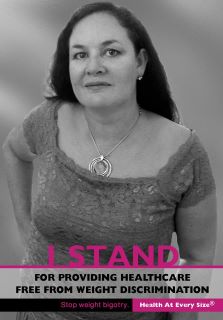
all images from istandagainstweightbullying.tumblr.com
I'm concerned about the increasing trend towards Weight Bullying among some healthcare providers.

As the pressure on providers to "do something" about the Obeeeesity Epidemic increases, so does the pressure for them to participate in weight bullying at appointments.

What is "weight bullying"?  Weight bullying is the unrelenting, negative focus on a patient's weight during medical appointments to the detriment of all other issues.

It is the constant harassment to lose weight ─ not just work on healthy habits, but actually put the primary focus on losing weight ─ by whatever means necessary, even radical ones.

It is blaming the patient's weight for everything that is wrong with that patient, even when such a connection is dubious.

It is overlooking other possible causes because the care provider cannot see anything besides the patient's weight ("fat distraction," also known as "size profiling").

It is limiting access to tests and treatments, based only on a patient's weight (or willingness to pursue losing weight).  It is denying treatment until a patient acquiesces and loses weight.

Sometimes this pressure for weight bullying comes from the insurance companies that providers have to answer to, sometimes from colleagues within the profession, sometimes from research articles that contend that care providers aren't doing enough to combat the  "obesity problem," etc.

Many articles in the popular media and in the medical research claim that doctors are rarely engaging in "obesity screening" or "weight loss counseling."  Funny how that doesn't seem to jibe with the experiences of most "obese" people, who report that the harassment over their weight and pressure for weight loss is unrelenting at most appointments.

Whatever the source of the pressure, care providers need to start recognizing that weight bullying is causing more harm than good for many obese people.

The Dreaded "Weight Talk"

There was a great article about this called "Dear Doctors, Quit It With The Weight Bullying" and it's by "Jess." It can be found here.

The topic of the  post, as you might guess, is weight bullying.  Specifically, "the weight talk" and pressure to lose weight, often without regard to why you're really at the doctor in the first place, and usually without even asking about your habits first (because you're only going to lie about them, right?).

Jess pointed out that when a routine health check-up becomes an exercise in shame, it tends to have a chilling effect on future doctor visits.  

And that is one of the most ominous effects of weight bullying at the doctor's, because putting off regular appointments can result in serious conditions going overlooked or undertreated, and thereby irreparably harming a person's health.

Here is what Jess experienced.  She was at her doctor's for a regular pap smear. Here's part of what happened:
...he asked what I ate, but he didn't wait for an answer. I had to exercise more, he said, having no idea how much I was exercising. I also needed to eat less than whatever it was I was eating which I hadn't gotten a chance to tell him. 
Dear god, what cutting-edge medical research! I certainly never thought of “eat less and exercise more,” especially not when I was bulimic, which incidentally is in that file of papers you’re holding which we like to call “records.” 
“I’m not concerned about it,” I said tightly, “and if it comes up again I’m going to have to find another doctor.”

“Any other doctor would tell you the same,” he said, as though I hadn't been coming to him, just as fat as now, for several years. 
“Well, I prefer a doctor who at least waits to hear what I eat before telling me to eat less." 
He looked exasperated. “There’s no possible way you’re not eating too much.”
Even though she fought back and fired this doctor, she found herself putting off her next yearly exam because she dreaded finding a new doctor who might put her through all that again.

When fat people get bullied, not believed, or made to feel like crap at the doctor's office, they tend not to not return. 

What a surprise. Imagine not being keen to keep going back for repeated harassment and derision.

Worse yet, they often lose trust in being able to get reasonable health care from other providers, and so tend to put off a return to ANY provider, not just the fat-phobic one.

Then doctors whine about how obese people avoid the doctor, and gees, how can we get fat people to be compliant with the recommended doctor visits?  How can we get them to improve their health?  How can we get them to regularly undergo tests and see specialists as needed?

The answer is, STOP THE WEIGHT BULLYING.

Weight Bullying Repercussions


Care providers greatly underestimate the negative impact of weight bullying.  It rebounds in so many harmful ways.

Weight bullying results in people trying over and over again to lose weight, even though research clearly shows that permanent success is very unlikely.  It results in weight cycling, which can increase the chances for gallstones, kidney cancer, further weight gain, and potentially many other issues.

Weight bullying results in fat people resorting to ever-escalating steps to try and lose weight.  When the usual recommendation of "eat less and exercise more" doesn't do enough, most dieters try to eat even less or exercise even more.  If that doesn't work, they go even further, sometimes to dangerous levels.

When that doesn't work, they try fasting, meal-replacement drinks, herbal supplements, or weight-loss drugs that have significant risks and which may do permanent harm to their systems.

When the weight loss doesn't last, many resort to surgery, maiming perfectly healthy organ systems in a desperate attempt to achieve thinness and "health," only to find other, unexpected complications instead. And still, even with stomach amputations and gut bypasses, most don't lose enough weight to achieve a "normal" BMI.  Does that really sound like a purely behavioral problem?  Or could something more be going on to cause their obesity?

With such poor results, so many negative side effects, and the extreme unlikelihood of achieving a "normal" BMI, does this sound like a goal worth pursuing?

Weight bullying also results in people (especially women) developing low self-esteem and poor body image.  Some develop eating disorders because of the shame and disapproval they have internalized.

Even when a full-on eating disorder does not occur, many people have developed harmful habits like overeating or binge-eating, and have internalized toxic attitudes about food and body image.

And, as we have seen, weight bullying discourages fat people from making regular doctor visits and makes them less likely to get tests that might help prevent/diagnose various diseases early.  In the end, this has far greater negative impact on fat people's health than choosing not to go on the latest diet.

In particular, fat people LOATHE:
  • being lectured about weight/pressured to diet when they are at the doctor's about something completely unrelated to weight
  • having every condition they experience blamed on their weight, even when it is clearly unrelated
  • being told they are liars (either to others or to themselves) when they try to share that they eat normally or are already exercising
  • being told that they just haven't tried "hard enough" or with the "right" program yet
  • having to have The Weight Discussion over and over again, every time they visit the doctor, despite previously explaining patiently why they have reservations about weight loss/dieting and why they are exercising their right to patient autonomy by declining this treatment
  • having weight loss promoted as the only treatment choice for whatever ails them, even when their condition has nothing to do with weight or there are alternative treatments to consider
  • having the risks associated with obesity exaggerated in order to scare them into losing weight ("You won't live to see 40!" "You'll never see your child grow up!"
  • not being given access to tests that people of "normal weight" would automatically receive with the same symptoms because the care provider has concluded that weight is the main issue
  • not being allowed access to needed treatment without having to lose weight first
But, but, but.....!

I know, I know.  Many doctors view it as part of their job to promote healthy behaviors, and that bringing up uncomfortable topics is part of good care. I understand that and I truly respect the difficult line that care providers walk when trying to treat all groups with respect and yet also promote better health.

However, there is a difference between promoting good nutrition/exercise and browbeating someone about their weight.

Providers need a better sense of when they cross the line between encouraging health and harassing someone about weight.  It's not that weight cannot ever be brought up, but rather that it should be a respectful and dynamic dialogue, not a one-sided lecture full of assumptions about what the fat person "must" or "must not" be doing, or pressure to lose weight no matter what extreme tactics must be used to do so.

Too many times, fat people try to share their concerns about the health downsides of yo-yo dieting, extreme restrictions, or the eating-disordered behaviors that dieting and weigh-ins can trigger, only to have their concerns completely dismissed or cut off.

Providers need to realize that many people who have opted out of the weight-loss paradigm have done so for very legitimate reasons, not out of laziness, gluttony, or lack of knowledge about the risks of obesity, but because it makes better sense for their body and their life and they feel healthier overall doing so.

Providers also need to understand that patient autonomy means respecting people's right to decline a recommended treatment (weight loss) and still receive respectful, considerate care.

Providers need to understand that repeatedly challenging a person's decision not to pursue weight loss and harassing them about their weight can result in the person avoiding  healthcare altogether until an emergency presents, and this certainly does not improve that person's health.

Furthermore, providers need to realize that promoting healthy habits doesn't have to involve weight loss or a weight discussion at all. 

Providers need to understand that promoting healthy habits can result in health improvements without significant weight loss, and that promoting weight loss as a goal at any cost often backfires and can result in extremely unhealthy behaviors.

By all means, promote more exercise and movement for patients...but don't tie it to weight loss as a goal. We know that exercise is beneficial, even when it doesn't lead to weight loss.  But if exercise is seen only as a means to weight loss, it is rarely sustained.

Exercise should be promoted as a goal in and of itself, not just as a weight loss tool.  

And don't forget to promote healthy habits for all your patients, not just the fat ones.  Don't make it about weight control, make it about lowering the risk for health complications.  Fitness is the best predictor of health, whatever a person's BMI, and may be the most efficient way to improve health for those who have difficulty losing weight.

Don't assume that a fat person never exercises, or that thin ones are exercising plenty.  The truth is that you can't tell how much a person exercises just by looking at them.

ASK THEM their habits and then advise them based on what you are told.  Find out what barriers there are to improvement of habits, and then help them strategize how to overcome those barriers.

Providers can and should encourage healthy behaviors ─ but it is more effective to do so without tying it to weight, without assumptions about what a person's habits "must" be (based only on their BMI), and without indulging in shaming and blaming.

As Deb Burgard says, "Listen to your public health messages with the ears of your fat loved one or colleague...Tease out the hate [speech] from the health speech."

Or as Ragen Chastain says, "People don't hate themselves healthy....We need to take weight out of the equation and make public health about public health and not public thinness."

Summary

I believe that most providers mean well, but they need to understand just how much weight loss pressure/weight bullying backfires in terms of a person's overall health.

Health care avoidance is a REAL issue for many people of size, and many have darn good reasons for doing so, based on past experiences.

One of the most important things that care providers can do for people of size is to build trust about the care they will receive ─ independent of weight ─ so that fat patients will not avoid the doctor and will utilize all the tools available to improve/monitor their health long-term.  

Providers, please divorce weight loss from the promotion of health.  By all means, encourage healthy habits, but don't keep tying it to weight loss.

Bringing up weight constantly, shaming patients about it, or harassing them to lose weight doesn't work. Instead, it alienates the very people it is trying to help, often discouraging them from seeking care at all.  And that certainly does not improve their health.  

Saturday, July 21, 2012

CesareanRates.com: Transparency in Maternity Care

www.cesareanrates.com 

There's a new website out that I've been wanting to highlight for a while.  Now, as the author struggles to finance her work on the site, it's even more important that I publicize the site.

The site is called cesareanrates.com and it has the cesarean rates for most of the states in the U.S. and the provinces in Canada.

Most importantly, not only does it have the cesarean rates by state/province, it also has the cesarean rates by individual hospital.

Earthy-birthy types who read my blog probably already know about this wonderful resource, but others may not.  It makes for very interesting reading and I recommend the site.

Having cesarean rates available by hospital is incredibly useful information.  If you live in an area where you have the choice of more than one hospital, you can see which ones have very high baseline cesarean rates and which ones don't.

Such information has to be interpreted with caution, of course, since some hospitals have higher loads of high-risk patients who might be expected to have higher cesarean rates. This is a legitimate concern.  However, even among hospitals that serve higher-risk patient populations, cesarean rates can vary widely. So while caution has to be used when viewing this data, it still can be useful to the consumer.  Some hospitals really do have a strong climate of overutilization of cesareans, and consumers should have access to that information before choosing to become a customer of that hospital.

So let's talk a little bit more about the variations in cesarean use and the importance of transparency in cesarean rates for quality control purposes.
Image Use Disclaimer: I received express permission from creator Jill Arnold of The Unnecesarean to use the cesareanrates.com images. If you want to use them, please ask her permission first.
Variations in Cesarean Utilization

One of the attitudes we have to fight against all the time in Cesarean Awareness advocacy is the common public perception that cesareans are only done when necessary.  In other words, most people assume that if a woman had a cesarean, it was usually because she needed it and it saved her or her baby's life.

Yes, cesareans can be life-saving, and there is no doubt that having them available is a wonderful thing.  Absolutely no argument there.

However, while cesareans mostly used to be used only when truly needed, there are many cesareans being performed today that are not medically indicated.  And the strong regional variations in cesarean use just reinforce this.

Below is a chart from Jill's site of the ten hospitals with the highest c-section rates in Florida.


Now look at a chart from Jill representing the ten hospitals with the highest c-section rates in Utah.


So the hospital with the highest cesarean rate in Florida has a rate TWICE as high as the hospital with the highest cesarean rate in Utah.

Come on, are the uteri of women in Utah really that much more efficient as the uteri of women in Florida? No, of course not.  The fact is that cesarean rates are highly variable by region, by hospital, and by doctor, and many of these variations are not explainable by demographic differences or risk caseload.

Even within one regional area with similar demographics and patient risk profiles (and eliminating cesareans for indications like breech, thought to be "necessary" by some providers), cesarean rates can vary widely.


While doctors like to blame women for high c-section rates (the overused "women are too old or too fat" or "women are requesting these cesareans" arguments), the truth is that provider practice patterns have far more influence on cesarean rates than factors attributable to women themselves.

The Childbirth Connection, an organization devoted to improving maternity care, confirms this trend:
The cesarean rate varies broadly across states and areas of the country, hospitals, and maternity professionals. Most of this variation is due to "practice style" rather than differences in the needs and preferences of childbearing women.
In other words, your chances of "needing" a cesarean at one hospital in your area may be quite different than your chances of "needing" a cesarean in a different hospital in your area.  Even if you fall into a supposedly "high-risk" category, your chances of "needing" a cesarean can vary widely, depending on who you see and their practice patterns around birth.

While some cesareans truly are prudent and at times even life-saving, many cesareans performed today are not.  Women deserve to know which hospitals have high rates of cesarean utilization and which do not, so that they can make informed choices about where they go to birth, should they choose to have a hospital birth.

Caveats

I would like to tell you that hospital-level cesarean rates area available for all 50 states, but alas, that's not true.  Last I checked Jill's site, the following states did not have hospital-level information about cesarean rates available:
Why is this information not available uniformly? The reasons vary. Some states don't think consumers are interested in this information and so don't provide it. Or pencil-pushers decide that providing cesarean rates to the public is not a Department of Health budget priority.  A few states have decided that health consumers have no right to this information and refuse to release hospital-level cesarean rates, despite many requests to do so.

There is information in each of the links above on how to contact these states directly to request that this information be made public.  Sometimes, if a state gets enough requests, they make providing hospital-level cesarean rates more of a priority.  (We were able to do this recently in my state.)

On the other hand, sometimes states actively refuse to provide hospital-level cesarean rates because doctors have actively campaigned to keep these rates private, on the grounds that the public is not smart enough to understand the concept of mitigating factors (like a high-risk caseload, etc.).  Or they simply don't want the bad publicity for their hospitals.

This is ridiculous.

As health consumers, we deserve to have public health information about various hospitals and their quality of care.  And we deserve this information for maternity-related care as well as basic overall care.  

The Importance of Transparency

Transparency is a HUGE up-and-coming issue in healthcare.  As one quality watchdog group notes:
You may not realize there are differences in the quality of care provided by different hospitals. Hospitals are busy and complex places. Every day, hundreds of patients are receiving hundreds of different procedures. Medical mistakes are a leading cause of death each year, causing more deaths each year than car accidents, breast cancer and AIDS. 
There is good news! Hospitals can take steps to prevent mistakes and protect patients from unnecessary injury. Even better, there is information available to help you determine the quality of your local hospitals.
More and more, groups such as consumerreports.org and the Leapfrog Group have begun to document basic information on Quality of Care measures, such as which hospitals have high rates of hospital-acquired infections, which have poor overall patient safety, and which have high rates of medical mistakes or medication errors.

However, these quality monitoring efforts are in their infancy.  Some hospitals participate voluntarily, but some actively resist any attempt to shine a spotlight more closely on care practices. Yet experience shows that when substandard results are highlighted and a program is developed to address these issues, outcomes can be improved.

It is important to be careful when comparing results from different hospitals, but even with this caution in mind, transparency in Quality of Care measures can be useful in improving care and patient outcomes.

Transparency and Participatory Medicine are concepts whose time has come.

How does this translate to maternity care?  In maternity care, substandard care translates to high rates of maternal or neonatal infections, high rates of early scheduled deliveries, higher-than-average deaths, and a too-high cesarean rate.

Some hospitals would argue that a high cesarean rate is not a sign of substandard care. The World Health Organization disagrees, noting that high rates of non-medically indicated cesareans translate into a higher rate of adverse maternal outcomes, including admission to Intensive Care Units, blood transfusions, hysterectomies, and maternal deaths. Other risks include blood clots, wound infections, anesthesia accidents and other problems.  Clearly, overuse of cesareans has risks.

There is an ongoing argument over what the "most optimal" cesarean rate should be, but that's beside the point.  Whatever the "ideal" rate is, women deserve to know the baseline cesarean rate of their hospital of choice, and how that compares to other hospitals.  Then it is up to them which hospital they choose.

Final Thoughts

CesareanRates.com is a powerful new tool for healthcare consumers.

One of the many useful things on the website is the listing of the cesarean rates of all the U.S. states (both alphabetically and by highest-to-lowest rates). There is also a graph showing the increase in cesarean rates over time in the U.S.  Rates from the Canadian Provinces are available as well.

I like the Top Ten slideshow, where slides from several representative states list the hospitals with the highest cesarean rates in those states.  You'll see that quite a few hospitals have c-section rates around 50%-60%, while other states' rates are not nearly so high. This is a good micro-demonstration of how much variation there can be in cesarean rates from hospital to hospital and state to state.  (Click on the page number on the bottom to freeze a particular state's slide.)

Another useful thing is a state-by-state listing of the VBAC ban policies of individual hospitals.  This information can already be obtained from the International Cesarean Awareness Network’s VBAC Policy Database but it's useful to have it all in one place with the hospital-level cesarean rates.

You can read more here about why Jill Arnold created this new site:
CesareanRates.com is a snapshot of online cesarean rate reporting in the United States as of January 2012. The site compiles the most current hospital-level data accessible to the public online, whether reported directly by a state’s department of health or gathered from state hospital association web sites via pull-down menus. The initial goals of the site are to a) show the (poor) quality and inaccessibility of hospital-level information available to the public, b) to assess whether there is public demand for this information and c) to work toward establishing a precedent for hospital data transparency.
How might this site be useful for a typical healthcare consumer?  Jill elaborates on that question here:
As with everything pregnant people can get their hands on, it is one of many tools. Everyone makes decisions differently and weighs things based on their unique experiences, values, preferences and education. For example, a 60% total cesarean rate might trigger a different reaction for different people. A woman that passionately wants to avoid an unnecessary cesarean section might be deterred from giving birth there, while one hoping for an elective primary section might infer something about the culture of the hospital and seek a provider that delivers babies there. Another person might try to evaluate what exactly that means and start investigating why it is so high, while someone else might not care one way or the other where they give birth as long as they are with a care provider they like. 
Ideally, it would be nice to see the site used by pregnant people for the purpose of seeking preference-sensitive care and opening up dialogue with their provider about what they can expect at the hospitals at which their provider has privileges.
If you want to know more about how cesarean rate information is reported. watch the following short video on the technical aspects of such data collection.


Go, check out www.cesareanrates.com. If you get an additional moment, go to its Facebook Page and "like" it as well.  Blog about it and pass on the link so more people know about this invaluable resource.

And if you can, donate to the author so she can continue carrying on this work.


Thank you, Jill, for your hard work on this site.  Brava!


References

Health Aff (Millwood). 2006 Sep-Oct;25(5):w355-67. Epub 2006 Aug 8. Geographic variation in the appropriate use of cesarean delivery. Baicker K, Buckles KS, Chandra A.   PMID: 16895942
There is enormous geographic variation in the use of cesarean delivery: For births over 2,500 grams, adjusted cesarean rates vary fourfold between low- and high-use areas. Even for births under 2,500 grams, high-use counties have rates that are double those of low-use ones. Higher cesarean rates are only partially explained by patient characteristics but are greatly influenced by nonmedical factors such as provider density, the capacity of the local health care system, and malpractice pressure. Areas with higher usage rates perform the intervention in medically less appropriate populations-that is, relatively healthier births-and do not see improvements in maternal or neonatal mortality.
Am J Obstet Gynecol. 2007 Jun;196(6):526.e1-5. Variation in the rates of operative delivery in the United States. Clark SL, et al.   PMID: 17547880
OBJECTIVES: This study was undertaken to examine the national and regional rates of operative delivery among almost one quarter million births in a single year in the nation's largest healthcare delivery system, using variation as an arbiter of the quality of decision making. STUDY DESIGN: We compared the variation in rates of primary cesarean and operative vaginal delivery in facilities of the Hospital Corporation of America during the year 2004. RESULTS: In 124 facilities representing almost 220,000 births during a 1-year period, the primary cesarean and operative vaginal delivery rates were 19% +/- 5% (range 9-37) and 7% +/- 4% (range 1-23). Within individual geographic regions, we consistently found variations of 200-300% in rates of primary cesarean delivery and variations approximating an order of magnitude for operative vaginal delivery. CONCLUSION: Within broad upper and lower limits, rates of operative delivery in the United States are highly variable and suggest a pattern of almost random decision making. This reflects a lack of sufficient reliable, outcomes-based data to guide clinical decision making.
Obstet Gynecol. 2010 Jun;115(6):1201-8. Regional variation in the cesarean delivery and assisted vaginal delivery rates. Hanley GE, Janssen PA, Greyson D.   PMID: 20502291
OBJECTIVE: To examine regional variations in rates of primary cesarean delivery and assisted vaginal delivery in the population of British Columbia, while adjusting for the maternal characteristics and conditions that increase the likelihood of operative delivery. METHODS: Using data from the British Columbia Perinatal Database Registry, we studied all deliveries in British Columbia between 2004 and 2007, excluding women who had a previous cesarean delivery (n=116,839)...RESULTS: Crude primary cesarean delivery and assisted vaginal delivery rates varied markedly across the Health Service Delivery Areas ranging from 16.1 to 27.5 per 100 deliveries, and from 8.6 to 18.6 per 100 deliveries, respectively. The most common indication for cesarean delivery was dystocia, which accounted for 30.0% of all cesarean deliveries and varied more than fivefold across regions. After controlling for maternal characteristics and conditions known to increase the likelihood of cesarean delivery and assisted vaginal delivery, adjusted cesarean delivery rates varied twofold, ranging from 14.7 to 27.6 per 100 deliveries, while adjusted assisted vaginal delivery rates varied by more than twofold, ranging from 6.5 to 15.3 per 100 deliveries. CONCLUSION: Our results illustrate substantial regional variation in the use of cesarean delivery that cannot be explained by patient illness or preferences. This variation likely reflects differences in practitioners' approaches to medical decision-making.
Birth. 2005 Sep;32(3):170-8. Cesarean delivery in Native American women: are low rates explained by practices common to the Indian health service? Mahoney SF, Malcoe LH. PMID: 16128970
BACKGROUND: Studying populations with low cesarean delivery rates can identify strategies for reducing unnecessary cesareans in other patient populations...METHODS: We used a case-control design nested within a cohort of Native American live births, > or = 35 weeks of gestation (n = 789), occurring at an Indian Health Service hospital during 1996-1999... RESULTS: The total cesarean rate was 9.6 percent (95% CI 7.2-12.0). Nulliparity, a medical diagnosis, malpresentation, induction, labor length > 12.1 hours, arrested labor, fetal distress, meconium, and gestations < 37 weeks were each significantly associated with cesarean delivery in unadjusted analyses. The final multivariate model included a significant interaction between induction and arrested labor (p < 0.001); the effect of arrested labor was far greater among induced (OR 161.9) than noninduced (OR 6.0) labors. Other factors significantly associated with cesarean delivery in the final logistic model were an obstetrician labor attendant (OR 2.4; p = 0.02) and presence of meconium (OR 2.3; p = 0.03). CONCLUSIONS: Despite a higher prevalence of medical risk factors for cesarean delivery, the rate at this hospital was well below New Mexico (16.4%, all races) and national (21.2%, all races) cesarean rates for 1998. Medical and practice-related factors were the only observed independent correlates of cesarean delivery. Implementation of institutional and practitioner policies common to the Indian Health Service may reduce cesarean deliveries in other populations.

Tuesday, October 12, 2010

Prenatal Weight Gain: The Importance Of Study Design

We've been discussing prenatal weight gain politics for "obese" women again.  This is part of a continuing series we're doing on nutrition and weight gain in women of size during pregnancy.

To recap briefly -- how much weight fat women should gain during pregnancy is a very hot topic in obstetrics these days. A number of studies on restricted gain have come out in the last several years, and there are certain to be many more in the future. In addition, the Institute of Medicine released newly revised guidelines for weight gain earlier this year, changing the recommended gain for "obese" women from "at least 15 lbs." to "11-20 lbs." (a slightly lower recommendation than before, but not as low as critics wanted).

The hope among those who promote restricted gain is that the risks of pregnancy in "obese" women might be reduced or eliminated by restricting weight gain, and that this might also prevent obesity from getting worse in the long run for the mother, and perhaps prevent or lessen it for the child.

Earlier in our series, I wrote about a Kaiser study started last year (and publicized in the New York Times) about promoting ZERO weight gain in pregnancy for fat women.  Then we discussed the research showing harms already associated with little gain in pregnancy in "obese" women, and what harms might result if the weight gain recommendations are reduced even further. 

Today we talk about study design limitations in weight gain restriction research, and how the design of most studies does not allow them to conclude that restricting gain is "safe." 
Let's take a critical look at the research on this topic.

The Kaiser Study

Just in case you missed earlier posts on it, I'll repeat some of the details about the study from the Kaiser press release on October 21, 2009.
Kaiser Permanente is launching the first clinical trial to help obese women control their weight during pregnancy...“The goal of the {"Healthy Moms"] study is to keep obese pregnant women from gaining weight. We believe they can safely maintain their pre-pregnancy weight and deliver healthier babies,” says Kim Vesco, MD, MPH, a practicing OB/GYN and researcher at the Kaiser Permanente Center for Health Research, who will direct the study.

This is the first study to test a weight maintenance program for obese pregnant women, and the first to use weekly support groups as part of the intervention. A small study in Denmark did limit excess weight gain in obese pregnant women, but they still gained an average of 14.5 pounds. Two other larger studies failed to prevent excessive weight gain in obese and overweight pregnant women.

“It may seem counterintuitive to suggest that women control their weight during pregnancy, but these women are already carrying between 50 and 100 extra pounds — and for them any more weight gain could be very dangerous,” said Vic Stevens, PhD, principal investigator who has studied weight loss and weight maintenance for more than 30 years...

The “Healthy Moms” trial will enroll 180 obese pregnant women from Washington and Oregon who are members of the Kaiser Permanente health plan: half will receive one-time dietary and exercise advice; the other half will attend two individual counseling sessions and then weekly group counseling for the remainder of their pregnancy. Women who attend the sessions will be weighed and encouraged to keep and turn in daily food and exercise diaries. Professional weight counselors will facilitate the groups and help motivate the women with behavior change techniques.

The study will follow women throughout their pregnancies to find out how much weight they gain, how large their babies are, and how much weight they retain one year after they give birth. It will also look at birthing complications, the baby’s growth and feeding practices, and whether the mother continues with dietary changes after the baby is born. The study will recruit women for 18 months, and preliminary results are expected in three years.
Remember, the researchers publicized this study before they had even done the research.  This is not objective research; this is Science By Press Release, designed to push a pre-set agenda.

The title of the NY Times article was "New Goal for the Obese: Zero Gain in Pregnancy." Although the article briefly discusses the controversy over whether gaining no weight is safe, many people will come away from the article with the conclusion that no weight gain is the standard of care and the best goal for "obese" women during pregnancy.  This is pure public relations marketing in order to push a public health agenda that has actually not yet been proven to be safe or effective.

This is only the first in a plethora of studies to come on little or no weight gain in pregnancy, as bariatrics obstetrics specialists push their agenda of strictly enforced weight gain in fat women.  But can studies like this one really conclusively decide the safety and effectiveness of such an approach?

Concerns About the Study Design

I have a number of concerns about the study design of this study (and of all of these "limited gain" studies).  Let me summarize the main ones.

Sample Size Issues

One major concern is whether the studies will be large enough to detect the influence of low gain on relatively rare outcomes like stillbirth.

Most of these studies on restricting weight gain either do not report on low gain's effect on stillbirth, or the studies are so small that they are not powerful enough to detect a difference in such rare events as stillbirth. 

However, some large studies not specifically on restricting weight gain have found an association between low weight gain and stillbirth even in "overweight" and "obese" women, but rarely are these mentioned in the studies promoting restricted gain. 

This Kaiser study will have 180 women in it. Only half (90) will be in the arm that intervenes to prevent weight gain. Can a study group of less than 100 accurately show that stillbirth rates (usually a few per thousand) are not affected by restricting weight gain?

Yet I have no doubt that the researchers will conclude at the end that restricting weight gain is "perfectly safe" and has no untoward negative effects. The problem is, they will not have investigated that at all.  Their study does not even begin to have the power to determine whether such an approach is "safe."

And frankly, a study arm of less than 100 is not enough to determine much of anything for certain, let alone to push a policy change with potentially far-reaching consequences.

Causation Versus Correlation

Another problem seen constantly in these weight gain prevention studies is confusing causation with correlation.  This is particularly prevalent when trying to tie together weight gain and pre-eclampsia. 

A number of studies (like the Missouri study and the Cedergren study mentioned above) have found that obese women with lower weight gains have lower rates of pre-eclampsia. Therefore, they imply that if we can prevent fat women from gaining much weight, we can lower their risk for pre-eclampsia (PE).

The problem is that fluid retention is one of the symptoms of pre-eclampsia; it does not mean that restricting weight gain prevents pre-eclampsia. 

Just because there is an association between two things does not mean there is a causal relationship.  Because increased weight gain is a side-effect of developing pre-eclampsia, it is hard to distinguish whether or not a higher relative gain causes PE or is merely a by-product.

In other words, women with lower gains have less pre-eclampsia, but that doesn't mean that deliberately restricting weight gain will prevent pre-eclampsia.

These studies should note that there is an association between low weight gain and less pre-eclampsia, but not necessarily a causal connection. Yet many of these weight gain studies strongly imply that if we keep fat women from gaining weight, fewer of them will develop pre-eclampsia.  It is simply not possible to make such a conclusion at this point.

The IOM pointed out this problem in their report on weight gain recommendations.  So did Nohr 2008:
Any causal interpretation of the association between total weight gain and these complications is limited.  For pre-eclampsia, high total gain most likely reflects pathologic fluid retention as part of the disease.
I bet this issue gets no more than a passing mention (if that) in the Kaiser study when it's published.

Controlling for Iatrogenic Influences

Another major problem with these sorts of studies is whether they control for iatrogenic influences.

In other words, if doctors know how much weight women gain in pregnancy, this may strongly influence the outcomes.

For example, doctors are often of the firm belief that too much weight gain leads to too-big babies (marcosomia) and big babies "need" cesareans to prevent shoulder dystocia (the shoulders getting stuck and causing birth injuries).

Yet research clearly shows that when a doctor believes a baby to be macrosomic, the cesarean rate in that group skyrockets, even when the baby is not actually big.

Sometimes this is because doctors use higher rates of induction of labor when babies are believed to be big, and a number of studies show that induction of labor strongly increases the cesarean rate in macrosomic babies. However, sometimes it's also simply because the doctor is quicker to intervene and declare "failure to progress" or "cephalo-pelvic disproportion" when they believe the baby is macrosomic.

In other words, the doctor merely believing that the baby is going to be big influences the induction rate (increasing the risk for a cesarean), and influences how the doctor manages labor and decides to go to a cesarean.

And doctors believe that fat women have big babies when they gain "too much weight" in pregnancy.

So if doctors are not blinded to weight gains, it's quite likely that the low-gain "obese" women will have fewer cesareans and the high-gain "obese" women will have more......but it won't prove that more gain causes more cesareans. 

Instead it just creates a two-tier system where the "good" moms who gain within recommended parameters get more chances of avoiding a cesarean, and the "bad" moms who gain "too much" are penalized, consciously or unconsciously. 

Not blinding the doctors to weight gain to rule out iatrogenic influences is a serious design flaw of nearly all of these restricted weight gain studies. 

Too-Short Follow-Up for Mothers

Another concern is the lack of long-term follow-up for the mothers. 

One of the major goals of the study is to see if preventing weight gain reduces the mother's obesity long-term. 

Designing a study to have a short follow-up makes it easier for the study to look successful, which is why most weight loss studies have limited follow-up periods.  It makes them look more effective than they really are.

For example, the follow-up period of one year in this study is not nearly long enough to show a significant influence on the mother's weight. A follow-up of at least five years is necessary to make any conclusions about long-term improvements to health or permanence of weight loss.  This study doesn't have nearly enough length. Any study with such a short follow-up is trying to make their results look more favorable.

Sure, the less weight you retain after pregnancy, the better, so the one-year result is not irrelevant. But neither is it conclusive. Weight loss research clearly shows that most weight loss begins to disappear after a year to two years, and most will usually be regained if the study subject if followed long enough.

If followed long-term, often the subjects in weight loss studies end up heavier or with more belly fat than they began.  Will the subjects with no gain in this study have less total weight in five years, or will they merely experience a bigger rebound effect? 

This is an extremely important question...but it's one that's not being asked.

To follow up these mothers for only one year is not long enough to make real conclusions about their health or weight trends.

Lack of Long-Term Follow-Up for Babies

Most of these intervention studies look at very short-term outcomes, examine the babies for only extremely abnormal outcomes (like birth defects) right after birth, and proclaim the intervention "safe" if the baby is not harmed in any obvious way. But that doesn't mean the intervention really was safe, because harm is often more subtle than that.

A longer follow-up is vitally important to really determine the safety of restrictive gain protocols

In the New York Times article, this concern was briefly noted, pointing out that many fat women who lose weight during pregnancy produce large amounts of ketones, which may impair a baby's cognitive development.  Long-term follow-up is needed to determine whether cognitive development is impaired in babies whose mothers' weight gain is restricted, but no such follow-up is planned in the Kaiser study.  As the NYT article notes:
There are concerns. The major one is that women who are not gaining weight will burn fat for energy, producing acidic compounds called ketones, which could be harmful to the fetus. Studies in diabetic women and in animals have found that babies born to women who had more ketones in their blood had lower I.Q. scores than other babies, said Dr. Naomi E. Stotland, an assistant professor of obstetrics, gynecology and reproductive sciences at the University of California, San Francisco...
The Healthy Moms study will follow the women throughout their pregnancies to find out how much weight they gain, how big their babies are and how much weight they retain a year after the birth, looking at complications, the baby’s growth and feeding practices and whether the mother continues with a healthier lifestyle after the birth. Skeptics say they need to track additional measures, like the babies’ long-term cognitive development.
This is an extremely important point.  Possible cognitive effects from high levels of ketones is one of the major concerns that has not been addressed in any of these weight-gain restriction studies, and almost never is it even mentioned in the studies.  You cannot possibly conclude that major restriction should be the new norm without examining this question

Furthermore, we know from famine studies that babies who are exposed to famine conditions while in utero experience long-term health complications, including a tendency towards more diabetes, more high blood pressure, more heart disease, and more obesity.

In particular, babies who experience undernutrition in the womb but then are born into environments with plenty of nutrition have the highest risk for later problems.

I'm sure the women in this Kaiser will not be put on starvation diets like women in true famine conditions, but no one knows the long-term effects of milder rates of undernutrition. 

Messing with fetal nutrition is tricky stuff.  Human metabolism is incredibly adaptable, and babies often survive seemingly "fine" under horrendous conditions. Yet when you look at them long-term, this survival and adaptation often comes at a price. 

You simply cannot look at a baby immediately after it is born, note that it has not been born with any obvious birth defects, and then conclude that your highly restrictive program in pregnancy is beneficial or even perfectly safe. 

To determine real safety, there has to be long-term follow-up of babies in this type of program...but none of these programs have any.

How Do They Plan To Restrict Weight Gain?

Whenever one talks about restricting weight gain in obese women, the question becomes how do they plan to restrict gain, and what will they do to enforce it?

The Kaiser study doesn't really elaborate on specifics other than "two individual counseling sessions and then weekly group counseling," including weekly weighings and daily food and exercise diaries. Nor do they mention what will happen with "obese" women who gain weight anyhow.

If the plan is simply to discourage junk food and increase exercise, all well and good---but this would be good for all women, regardless of size.  Why just target fat women for this? People of all sizes eat "junk food" --- some in really significant amounts --- and it's not any better for the baby of a skinny woman than it is for the baby of a fat woman. And reasonable exercise is good for virtually everyone in pregnancy.  Why not emphasize healthy habits to all pregnant women?

(Answer: Because they have the typical assumption that all fat people eat terribly and need to be educated about their poor choices.)

If the program is just about emphasizing reasonable habits and targeting junk, great. Good nutrition and exercise in pregnancy is important. But if the plan goes beyond that and resorts to also limiting caloric intake, the question of relative fetal undernutrition comes into play, which raises a lot more questions about safety.

If they plan to strictly limit carb or caloric intake, do they plan to have participants test daily for ketones? If they are limiting calories and/or carbs, they should be checking ketones daily....but no mention of such monitoring is made in the press release.  Nor will they have long-term follow-up of babies subjected to these protocols.

The press release does not say how they will achieve "zero weight gain" in women of size, but it's hard to believe there will not be some degree of caloric restriction involved if they expect women to not even gain the weight of the baby, placenta and fluids.  How will they determine how many calories are enough, how will they monitor for problems, and how draconian will they get?

And what counselors will recommend if a "morbidly obese" woman actually gains weight in her pregnancy despite their program, as many probably will.....will she be told to restrict calories or carbs even more? Told to exercise in extreme amounts? Told to drink Slim-Fast? Will she be hassled about the gain?  Will she penalized with early induction or planned cesarean because she gained weight?  What happens to women who exceed the acceptable gain?  There's a lot of potential for problems here.

It's also important to point out that the question is not just what this particular study will be promoting, but also how OTHER doctors will interpret the "gain no weight" paradigm and what methods they will use to enforce this goal.

Fat women already report many harmful dieting practices being recommended to them in pregnancy in order to limit weight gain. Some women are merely told to eat less in pregnancy than when non-pregnant.  Some are told to drink Slim-Fast in pregnancy to limit weight gain. Others are told to limit their caloric intakes to 1800, 1500, or even 1200 or 1000 calories.  

And that was in the days when fat women were being encouraged to gain at least 15 pounds.

What kind of draconian recommendations will be made to "obese" women if they are supposed to gain no weight in pregnancy? Or to lose 10, 20, or even 50 pounds during pregnancy?  (Yes, those are all real recommendations told to women of size just recently.)

The question in studies like these is how restrictive is too restrictive, what follow-up is being done to see whether there is long-term harm with even mildly restrictive practices, and how other medical practitioners will go about incorporating and enforcing "no gain" mandates. 

This must not be glossed over, but is an important part of any study or public health policy that consideres seriously limiting pregnancy weight gain. Some doctors may limit weight gain in fairly reasonable ways, but other practices may resort to draconian interventions with a much higher potential for harm.

Is the Research Really Objective?

Finally, the fact that the researchers in this study are in bed with the weight loss industry is troubling; their results are going to be colored by that fact.

The Kaiser study employs a weight loss "expert" as a consultant; look at the language the "expert" uses in the press release: "For [the obese women], any more weight gain could be very dangerous."

"Any more weight gain could be very dangerous?" Does that sound like an objective observer to you? One open to any finding, even if it means finding the hypothesis invalid? Or does it sound like one who has already made his own conclusions, before the study is even done?

Just as we shouldn't trust the tobacco industry to come out with reliable findings on the safety of cigarettes, or should have a jaundiced eye when examining pharmaceutical research sponsored by drug companies, we shouldn't trust someone in the weight loss industry (which profits from consultations like this) to objectively conduct research on topics like weight gain restriction.

Many of these weight gain studies are rife with personnel who are on the staff of, consult with, or have a vested economic interest in weight loss companies and services.  And remember, consulting on weight gain restriction studies is a potentially vast new market for weight-loss companies and they know it.  They are hardly impartial bystanders in such research.

This is a tremendous conflict of interest but one that is rarely ever noted or questioned.

My Psychic Predictions

Putting on my all-seeing magic turban, I psychically predict that at the end of the Kaiser study, the women who gained less weight will have lower cesarean rates and less weight retention at the end of one year. Gosh, quelle surprise!

But is that really a function of the lower weight gain, or a function of the beliefs and practice patterns of their doctors? And of the small follow-up period?

It's one thing to propose a hypothesis and then do a study to collect data to see whether or not your hypothesis was correct. That's the scientific method.

However, that's not what these researchers are doing. They publicized the study before any results were even in because they are sure they know what results are going to be reached

Doing a study with a foregone conclusion is not good science. Furthermore, the study has to be of a size and design to accurately test your hypothesis; the Kaiser study is not. 

An objective study would look at all the possible benefits and risks from restricting weight gain, would be large enough and long enough to detect the real risk of harm associated with restricting weight gain, and would have no sponsors or associates who might benefit economically from a restriction program.

Yet very few of these restriction studies look at all possible harms, have large-enough sample sizes to detect harm reliably, and have long-term follow-up to detect more subtle harms. And many of them involve, directly or indirectly, researchers or consultants who are part of the weight loss industry.

The fact that they publicized the study heavily ahead of time in a major national publication, before the data was even collected or analyzed, strongly suggests that what they are really trying to do is push an agenda that NO weight gain is best for fat women, regardless of what the data actually say.

Conclusion

Again we are back to prenatal weight gain politics.

The bariatric obstetrics establishment is dismayed that the Institute of Medicine did not cave into their pressuring tactics and did not drastically lower their weight gain guidelines for obese women last year. They see it as a rebuke to the research and press releases they've published thus far.

So they are now pushing back with an aggressive marketing campaign designed to get out the message that fat women should gain very little in pregnancy. Except it's not enough anymore that fat women be kept to far lower weight gains than other women. 

No, now the research is taking a disturbingly extremist tone and pushing for NO gain and even weight LOSS, despite the fact that research shows some significant areas for concern (higher rates of prematurity, small-for-gestational-age babies, and possibly stillbirth) with very low gains, and despite that fact that restricted gain studies have major design flaws.
Now, to be fair, many who specialize in bariatric obstetrics probably truly feel that they are "saving" fat women and babies everywhere by promoting such draconian limits. They feel that the IOM is dragging its feet and endangering babies in the meantime.

And it's important to note that there is some research that really large weight gains (35 to 44 lbs. or more) may be harmful on average in "morbidly obese" women, resulting in higher rates of big babies, perineal trauma, postpartum weight retention, and perhaps perinatal mortality. So there is a case to be made that very high weight gains are not a good idea for women of size in general.

But without adequate (and far more thorough) study, it's impossible to establish the safety of very low weight gain limits.  And given previous and recent research, there is good reason to suspect that promoting weight loss or limiting weight gain too much could well produce more premature and/or small-for-gestational-age babies...or worse.

Even if these researchers don't make the IOM revise its guidelines any time soon, they know that aggressive marketing will start building an expectation in the public and in OB-GYNs that strictly limiting weight gain in fat women is "standard of care." 

We are already seeing this happen.  I'm hearing from more and more fat women that are being told that they are not allowed to gain ANY weight in pregnancy, or even that they must lose weight during pregnancy.

Increase attention to the importance of healthy eating and regular exercise in pregnancy?  I'm ALL for it, as anyone who knows my website and my past writings can attest.  I believe in Health At Every Size, and I believe that people should be gently encouraged to examine how they can improve their lifestyle and health, and never more so than in pregnancy.

Except I believe that such a program should be marketed to all women, regardless of weight/BMI, not just the fat ones.  Poor habits are not found only in "obese" women; care providers just assume that they are most egregious in this group.  But such attention to healthy habits would benefit many women and babies, and an emphasis on habits would be far more beneficial than a rigid emphasis on weight gain.

And creating rigid gain guidelines that may be unsafe and that have unrealistic expectations (zero weight gain or weight loss for all women of size) and which penalize anyone who falls outside those expectations (gained 21 lbs. in pregnancy?  It's planned cesarean for you!) is a terrible bastardization of what "healthy eating in pregnancy" programs should really be about. 

Remember that this study and press release is really about marketing limited weight gain to the public and to doctors, and that no conclusion about the safety of limiting gain in women of size has really been proven yet.

Far more research (and far better research) needs to be done to determine optimal prenatal weight gain in women of size. This Kaiser study is not it.

For now, I agree with the Cochrane Database, which concluded:
Protein/energy restriction of pregnant women who are overweight or exhibit high weight gain is unlikely to be beneficial and may be harmful to the infant.
Instead, the better approach may simply be to concentrate on excellent nutrition instead of prenatal weight gain. Barbara Luke, MPH and RD, summarized this in 1998 when she said:
Perhaps the obstetric goal should be to ensure optimal nutritional status during pregnancy, focusing on the quality and quantity of the preconception and prenatal diet rather than the crude and imperfect measure of gestational weight gain.
Commonsense words indeed.