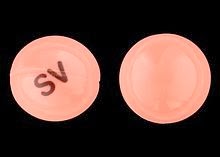
In honor of the recent PCOS Awareness Month, we are continuing our periodic series on PCOS, Polycystic Ovarian Syndrome.
Here are some of the previous entries so far in the series:
- The definition and symptoms of PCOS
- How it presents
- Its testing and diagnosis
- Its possible causes
We've already discussed:
- Metformin (Glucophage)
- TZDs (Avandia, Actos)
- Inositols
- Other medication options for those with diabetes
- Progesterone treatments for bringing on a long-overdue period
Part One was background about how oral contraceptives work, the different types available, and side effects to be aware of. Part Two looked at whether there were special considerations for oral contraceptive use in women of size.
Today, we discuss more about the use of oral contraceptives for treating symptoms of PCOS.
Disclaimer: I am not a medical health-care professional. Always do your own research. This information is not a complete explanation of all the risks and benefits of a particular medication, nor is it medical advice about a health condition or treatment. Consult your healthcare provider before making any decisions about your care.
Advantages of The Pill for PCOS
Among care providers trained in the traditional medical model, the use of oral contraceptives is considered standard of care for women with PCOS who are not actively trying to conceive.
In their view, the many potential benefits outweigh any potential risks. It is considered a standard-of-care first-line therapy for PCOS women who are not trying to conceive.
From this point of view its biggest benefit is that it regulates the cycle, preventing the missed periods so common to many women with PCOS. In this way, it is thought to strongly reduce the risk for the endometrial cancer, which is increased in women with PCOS. But while some short-term and long-term evidence is promising on its effectiveness against endometrial cancer, high-quality long-term evidence is still somewhat lacking. We need more long-term studies to be sure it truly lowers the risk for endometrial cancer.
The risk for ovarian cancer may also be increased in women with PCOS, and oral contraceptives clearly lower the risk for ovarian cancer, so that is a solid advantage to using oral contraceptives.
In addition, oral contraceptives tend to decrease Luteinizing Hormone (LH) levels and this leads to a subsequent decrease in androgen production. Oral contraceptives also increase Sex Hormone Binding Globulin (SHBG) production, decreasing free testosterone levels.
Because the Pill tends to lower androgen levels, it often lessens acne, hirsutism, and other skin-related symptoms common to PCOS. To many women with PCOS, this is a very important benefit.
Oral contraceptives also inhibit development of egg follicles. Fewer follicles may lessen the severity of polycystic ovaries, and therefore lower additional production of androgens.
Research shows that oral contraceptives can greatly improve menstrual regularity in women with PCOS, and that certain types can also lessen androgens and distressing symptoms of PCOS like hirsutism and acne.
In this way, the use of oral contraceptives in PCOS has significant benefits.
Risks of the Pill for PCOS
As we have discussed more extensively in Part One and Part Two of this series, oral contraceptives are associated with several risks that are particularly pertinent for women with PCOS. These include:
Glucose Tolerance
Some studies have found an increase in insulin resistance/decrease in insulin sensitivity in women on oral contraceptives, while other studies have not. Some have found an increased fasting glucose, while others have found lower blood glucose levels or no increase in diabetes cases.
Since there are so many formulations, a lot depends on the type of oral contraceptive used; high-dose combination pills (30+ mcg of ethinyl estradiol) seem to have a more negative effect on insulin sensitivity. Low-dose pills seem to have less effect or even possibly beneficial effects.
Most studies focus on non-diabetic women of average BMI in the general population; less is known about its effect in obese women, let alone obese women with PCOS. But one recent review concluded that while there were mild fluctuations in glucose and insulin levels in a few studies, overall there was "no significant effect" of oral contraceptives on carbohydrate metabolism in women with PCOS.
If there is an effect in women with PCOS, it probably is a very modest one, especially with low-dose combination pills. However, for very high-BMI women, those with severe insulin resistance, or those who are borderline diabetic already, it's possible that some types of oral contraceptives may somewhat increase the susceptibility to diabetes or glucose intolerance.
As a result, some care providers prescribe a combination of certain oral contraceptives (for their anti-androgenic effects) plus metformin or inositol (to help counteract any increase in insulin resistance from the oral contraceptives) for women with PCOS who are particularly at risk for diabetes and metabolic syndrome. This combination of oral contraceptives and an insulin sensitizing medication seems particularly effective for some women with PCOS.
Blood clots
Oral contraceptives of any dose clearly increase the risk for blood clots in the general population, particularly in the first year of use. The risk is strongest with high-dose pills (50 mcg ethinyl estradiol) and mildest with low-dose pills (20 mcg ethinyl estradiol). Risk also depends on the type of progestin used.
However, what the clot risk is in women with PCOS is less clear. Research shows that women with PCOS tend to have a higher risk for blood clots than the rest of the population; the concern is that use of the Pill in women with PCOS might elevate that risk even further.
And in fact, one study showed that women with PCOS on the Pill had about twice the risk for blood clots as other women on the Pill, and women with PCOS not taking the Pill had about 1.5x the risk for clots.
However, not all studies agree; one large study found oral contraceptives to be mildly protective against blood clots in women with PCOS.
Among care providers trained in the traditional medical model, the use of oral contraceptives is considered standard of care for women with PCOS who are not actively trying to conceive.
In their view, the many potential benefits outweigh any potential risks. It is considered a standard-of-care first-line therapy for PCOS women who are not trying to conceive.
From this point of view its biggest benefit is that it regulates the cycle, preventing the missed periods so common to many women with PCOS. In this way, it is thought to strongly reduce the risk for the endometrial cancer, which is increased in women with PCOS. But while some short-term and long-term evidence is promising on its effectiveness against endometrial cancer, high-quality long-term evidence is still somewhat lacking. We need more long-term studies to be sure it truly lowers the risk for endometrial cancer.
The risk for ovarian cancer may also be increased in women with PCOS, and oral contraceptives clearly lower the risk for ovarian cancer, so that is a solid advantage to using oral contraceptives.
In addition, oral contraceptives tend to decrease Luteinizing Hormone (LH) levels and this leads to a subsequent decrease in androgen production. Oral contraceptives also increase Sex Hormone Binding Globulin (SHBG) production, decreasing free testosterone levels.
Because the Pill tends to lower androgen levels, it often lessens acne, hirsutism, and other skin-related symptoms common to PCOS. To many women with PCOS, this is a very important benefit.
Oral contraceptives also inhibit development of egg follicles. Fewer follicles may lessen the severity of polycystic ovaries, and therefore lower additional production of androgens.
Research shows that oral contraceptives can greatly improve menstrual regularity in women with PCOS, and that certain types can also lessen androgens and distressing symptoms of PCOS like hirsutism and acne.
In this way, the use of oral contraceptives in PCOS has significant benefits.
Risks of the Pill for PCOS
As we have discussed more extensively in Part One and Part Two of this series, oral contraceptives are associated with several risks that are particularly pertinent for women with PCOS. These include:
- a possibly increased risk for insulin resistance/glucose intolerance
- a definitely increased risk for blood clots
- an unknown risk for cardiovascular disease and mortality
Glucose Tolerance
Some studies have found an increase in insulin resistance/decrease in insulin sensitivity in women on oral contraceptives, while other studies have not. Some have found an increased fasting glucose, while others have found lower blood glucose levels or no increase in diabetes cases.
Since there are so many formulations, a lot depends on the type of oral contraceptive used; high-dose combination pills (30+ mcg of ethinyl estradiol) seem to have a more negative effect on insulin sensitivity. Low-dose pills seem to have less effect or even possibly beneficial effects.
Most studies focus on non-diabetic women of average BMI in the general population; less is known about its effect in obese women, let alone obese women with PCOS. But one recent review concluded that while there were mild fluctuations in glucose and insulin levels in a few studies, overall there was "no significant effect" of oral contraceptives on carbohydrate metabolism in women with PCOS.
If there is an effect in women with PCOS, it probably is a very modest one, especially with low-dose combination pills. However, for very high-BMI women, those with severe insulin resistance, or those who are borderline diabetic already, it's possible that some types of oral contraceptives may somewhat increase the susceptibility to diabetes or glucose intolerance.
As a result, some care providers prescribe a combination of certain oral contraceptives (for their anti-androgenic effects) plus metformin or inositol (to help counteract any increase in insulin resistance from the oral contraceptives) for women with PCOS who are particularly at risk for diabetes and metabolic syndrome. This combination of oral contraceptives and an insulin sensitizing medication seems particularly effective for some women with PCOS.
Blood clots
Oral contraceptives of any dose clearly increase the risk for blood clots in the general population, particularly in the first year of use. The risk is strongest with high-dose pills (50 mcg ethinyl estradiol) and mildest with low-dose pills (20 mcg ethinyl estradiol). Risk also depends on the type of progestin used.
However, what the clot risk is in women with PCOS is less clear. Research shows that women with PCOS tend to have a higher risk for blood clots than the rest of the population; the concern is that use of the Pill in women with PCOS might elevate that risk even further.
And in fact, one study showed that women with PCOS on the Pill had about twice the risk for blood clots as other women on the Pill, and women with PCOS not taking the Pill had about 1.5x the risk for clots.
However, not all studies agree; one large study found oral contraceptives to be mildly protective against blood clots in women with PCOS.
Further muddying the waters is the fact that the progestins with the most potent anti-androgenic properties tend to be the ones associated with the greatest risk for blood clots. The progestins associated with the least risk of clots tend to have strong androgenic side effects.
Therein lies the dilemma for women with PCOS; if you use the oral contraceptive with the most potent anti-androgen effects, there is a considerably higher risk for blood clots. If you opt for the safer oral contraceptives in order to at least regulate your cycles, you will not help and may even worsen any hirsutism and acne.
All women with PCOS who are considering the Pill should discuss the risk for blood clots with their care providers. If you have further risk for clots, such as a first-degree relative who has experienced blood clots or poorly-controlled hypertension, you will need to consider the use of the Pill especially carefully with a care provider. They might suggest you consider other alternatives instead.
Cardiovascular Disease
Most PCOS research does not follow its subjects long-term, so there is a dearth of research on the long-term risks for cardiovascular disease and mortality in women with PCOS.
Because of an increase in blood clots plus risk factors like hypertension, diabetes, and abnormal lipids, most researchers have assumed for years that women with PCOS are at extremely high risk for cardiovascular disease and early death. Women with the hyperandrogenic "classic" PCOS phenotype have been thought to be particularly at risk.
Interestingly, what research we have so far does NOT suggest an increase in cardiovascular and mortality risk for women with PCOS, and only a small increase for non-fatal cerebrovascular disease. One very small study that followed women for 21 years found more hypertension and lipid abnormalities in women with PCOS, but no more heart attacks, strokes, or mortality than the controls from the general population.
Since oral contraceptives tend to worsen lipid profiles, increase the risk for blood clots, and perhaps worsen cardiovascular risks in the short-term, the question is whether oral contraceptive use would worsen cardiovascular risks in women with PCOS. Bottom line, we just don't have much data on this:
Of course, even if oral contraceptives did increase the risk for cardiovascular disease, you also have to remember that oral contraceptives probably lower the risk for ovarian cancer and possibly endometrial cancer. So there is a trade-off of risk to consider.
At this point, it is anyone's guess how much risk vs. benefit oral contraceptives have in the long run for women with PCOS.
More long-term data is urgently needed.
Which Pill should be prescribed for PCOS?
There are SO many oral contraceptives to choose from that it is difficult to know which is the best version for women with PCOS.
Oral contraceptives differ by estrogen dose (20 mcg, 25 mcg, 30 mcg, 35 mcg, 50 mcg), by whether medications change throughout the cycle (monophasic, biphasic, triphasic, etc.), and by cycle length (traditional cycle length vs. extended or continuous cycle formulations).
In addition, they differ by type and generation of progestins used (1st generation = norethindrone and ethynodiol acetate pills; 2nd generation = levonorgestrel and norgestrel; 3rd generation = desogestrel, gestodene and norgestimate; 4th generation = drospirenone and dienogest).
In addition, oral contraceptive availability and formulation can differ significantly by country. In the United States alone, one survey found 88 different formulations of oral contraceptives ─ and that doesn't include oral contraceptives using gestodyne and dienogest, which are not currently available in the U.S. Outside the U.S., some countries also have combined oral contraceptives using cyproterone acetate for treating severe acne and hirsutism but not as an oral contraceptive alone.
As noted, some oral contraceptives with the best anti-androgen activity have even greater risks for blood clots, so a delicate balance between anti-androgen benefits and clotting risks must be walked. The interaction between different PCOS phenotypes and a person's personal medical history and risk factors may also influence which oral contraceptive is most appropriate, making the discussion even more complicated.
Therefore, a specific discussion of which oral contraceptive is best for PCOS is far beyond the scope of this blog. No medical advice should be inferred.
Only general considerations will be presented below. Discuss your medical history and treatment goals with your provider to determine the best choice for your situation.
Oral Contraceptives to Treat PCOS Symptoms
As we have seen, oral contraceptives can help lessen some of the most distressing PCOS symptoms, such as acne or excess body and facial hair. They also help regulate the menstrual period, hopefully lowering the risk for endometrial overgrowth and cancer.
However, all oral contraceptives are not alike. Some work better for PCOS than others.
For example, combination oral contraceptives that use progestins like levonorgestrel tend to worsen androgenic symptoms in women with PCOS, so they are often avoided. However, because these pills tend to have the best safety profile, some providers prescribe them anyway to women with PCOS in order to achieve menstrual regulation while incurring the least risk for blood clots. Some care providers feel they are fine for PCOS women with mild androgenic symptoms, but avoid them for women with strong androgenic symptoms.
Some resources report that pills using progestins desogestrel, norgestimate, and gestodene are less androgenic compared with those using levonorgestrel, norethindrone, or norgestrel. At least one source considers oral contraceptives using norgestrel to be "unsuitable" for women with PCOS.
Oral contraceptives with later generations of progestins are often prescribed for women with PCOS, as these tend to be more anti-androgenic. These include dienogest and drospirenone, as well as cyproterone acetate:
Again, low-dose combination pills with these anti-androgenic progestins also present more risk for blood clots. Therefore, some providers avoid these progestins, preferring other combination pills with more neutral androgen profiles. Others prescribe combined pills with drospirenone or cyproterone acetate but advise taking a low-dose aspirin with them to help counteract the clotting risk.
Some providers favor continuous combined pills in women with severe androgen excess. In this approach, low-dose combined pills are given for 3-6 months, with no placebo pills for withdrawal bleeding. Some research has shown this approach to be quite effective for those with severe hirsutism, and of course has significant benefits to those with endometriosis, iron-deficiency anemia, or debilitating periods. Another advantage is that continuous oral contraceptives tend to have less breakthrough bleeding, which can be an issue with some oral contraceptives. However, some critics question how an unrelenting dose of hormones might affect a woman's long-term health. Short-term safety data seems acceptable, but longer-term studies and research that looks at multiple endpoints (including cardiovascular, breast cancer, and bone health) are urgently needed.
A low-dose combination pill with the addition of metformin or inositol is another option favored by many providers for some in order to counteract the significant insulin resistance common to many with PCOS, while also countering any possible decrease in insulin sensitivity or glucose tolerance due to the Pill. A low-dose aspirin may also be suggested by some providers for anti-clotting purposes, although this must be carefully monitored due to the risk of internal bleeding.
Some providers prefer progestin-only Mini-Pills for very obese women with PCOS, seeing these women as at extremely high risk for blood clots. They reason that Mini-Pills provide contraception, do not increase risk for blood clots, only minimally increase risks for insulin resistance, and regulate the menstrual cycle (thus lessening the risk for endometrial cancer). Since some countries strongly counsel against the prescription of any combined oral contraceptives to women with a BMI over 40, Mini-Pills can be one alternative for these women.
Some researchers have suggested that ALL oral contraceptives be avoided for women with PCOS with significant risk factors like strong insulin resistance, clotting disorders, hypertension, metabolic syndrome, or other cardiovascular risk factors. They have suggested that vaginal contraceptive rings or hormonal intrauterine devices be used instead. These will not help androgen-related symptoms like hirsutism or acne, but will help menstrual regularity and may lessen endometrial cancer risk.
Summary
Obviously, there is not a general consensus on the "best" oral contraceptive (if any) for women with PCOS. Complicating the decision is the huge variety of oral contraceptive formulations available and the variation of risk profiles among women with PCOS.
It is vitally important to consult your health care provider to determine what the best oral contraceptive (if any) is best for your circumstances.
Don't restrict yourself to only the information above to make your choice; discuss the pros and cons in great detail with your care provider. You may also want to consider getting a second opinion since different providers often provide different perspective and advice.
Specific topics to discuss with your provider include:
Concerns with the Use of The Pill for PCOS
Of course, not everyone thinks that The Pill is a great idea for women with PCOS.
The main objection seems to be that The Pill simulates normalcy through added hormones, instead of promoting normal functioning of your own systems. In the words of one site:
People who feel this way believe that the best treatment for PCOS is to help a woman's body correct her own hormone levels and insulin signaling, instead of superimposing artificial hormones on it to create a fake semblance of normalcy.
Furthermore, the use of the Pill to regulate irregular cycles in young women may delay diagnosis and effective treatment of other PCOS symptoms. Many teens with irregular cycles are placed on the Pill to regulate their cycles without being told they may have PCOS and without receiving counseling about treatments to improve other PCOS symptoms.
As noted above, another significant concern is whether the Pill worsens insulin resistance, already a concern for PCOS women. Critics argue that at the very least, being put on the Pill alone does not lessen the underlying insulin resistance common to PCOS, and at worst, may actually make it worse. It certainly doesn't fix any defects in insulin signaling that may be happening.
For some women with PCOS, treating the underlying insulin resistance may regulate the cycle without needing birth control pills, while for others, a combination of insulin-sensitizing medications and oral contraceptives may be needed.
Long-term study of the relative benefits and risks of various protocols ─ with a focus on clinical endpoints of diabetes, heart disease, hypertension, and mortality specific to women with PCOS and not just extrapolated from other populations ─ is urgently needed.
Anecdotally, some women with PCOS find that when they come off of oral contraceptives in preparation for trying to conceive, their cycles are so messed up that it's very difficult to regulate them again or to re-establish ovulation. It's like their body has "forgotten" how to do it on its own and they often feel that they would have been better off not being on oral contraceptives at all. This is difficult to prove, but is plausible.
Some limited research supports this idea that regulating cycles with oral contraceptives before trying to conceive does not improve or may even harm the odds of success during fertility treatment. However, some research is contradictory and more data is needed.
Some women with PCOS believe that their hair loss issues (alopecia) were worsened by use of oral contraceptives, even as it helped with issues like acne and menstrual regularity. This is hard to prove and little research exists on it, but should be mentioned as a possible consideration for those already struggling with hair loss.
Bottom line, while birth control pills can be very effective for regulating menstrual cycles, decreasing androgenic side effects, and for decreasing the risk for ovarian and possibly endometrial cancer, it may neglect addressing the underlying cause of PCOS and may worsen metabolic profiles and certain symptoms in some.
Alternatives to Oral Contraceptives
As we've discussed before, there are alternative treatments out there. It's important to keep reminding women with PCOS that the usual prescriptions of oral contraceptives, weight loss, and anti-androgen drugs are not the only way to treat PCOS.
Alternatives can include acupuncture, herbs like vitex/chasteberry, insulin-sensitizing medications like metformin and inositol, and perhaps vitamin D supplementation. It can also include lifestyle approaches that are compatible with Health At Every Size® and do not fixate on weight loss; these might include moderating carb intake, enhancing nutrition, increasing exercise, avoiding hormone-laden foods, and avoiding gluten. Although good long-term research is needed, many PCOS women find results just as good with these approaches as they do with traditional medical treatments.
Women with PCOS should also be checked for hypothyroidism. A number of studies have found that women with PCOS have a higher rate of abnormal thyroid function. Some studies suggest that hypothyroidism is associated with menstrual disturbances, insulin resistance, and infertility. A number of women with PCOS have found that treating even marginal cases of hypothyroidism helped improve menstrual regularity.
Of course, weight loss is often considered the top therapy for PCOS, even over oral contraceptives, since some research shows it can be effective for resuming ovulation, reducing androgens, and lowering insulin resistance in some women. However, studies on this have many weaknesses; they are often very small, extremely short-term, and do not show what happens if weight loss rebounds (which happens to most). Nor do they acknowledge that weight loss/weight cycling has risks as well as benefits, and that the oft-quoted "just a 5% weight loss" can trigger a rebound to a higher weight than before the diet.
Furthermore, not everyone responds to weight loss; quite a number of women with PCOS still experience missed periods and significant symptoms even after considerable weight loss. It is another tool that can be considered if you wish, but it is far from the magic bullet that doctors pretend it is and may actually be counter-productive for many due to regain and yo-yoing. For some, it even leads to eating disorders and unhealthy behaviors.
Because of these issues, hypocaloric diets for PCOS should not be mandatory for all PCOS women. Those who want to partake in them should be supported, but those who decline them should have their right to patient autonomy respected. Nor should weight loss be a requirement for accessing fertility services or other treatment, a restriction fraught with ethical issues and more than a whiff of the repulsive stench of eugenics.
Remember, there is no one "right" treatment protocol for PCOS. Each woman must find the right combination of treatments that work best for her circumstances and needs. For some, this may include oral contraceptives/birth control pills or even weight loss. For others, it may involve alternative therapies. For many, it involves a combination of a number of different approaches, but no one approach should be mandated across the board.
Summary
For some women with PCOS, oral contraceptives are extremely helpful in regulating menstrual cycles, preventing endometrial hyperplasia, reducing the risk for ovarian cancer, and probably also in decreasing the risk for endometrial cancer.
In addition, some combined oral contraceptives have an anti-androgen effect, so problems such as hirsutism and acne may be lessened while on The Pill.
However, not all women with PCOS feel that oral contraceptives are beneficial in the long run. PCOS communities online tend to be very divided in their views of oral contraceptives for PCOS. Many believe that greater improvement will result from addressing underlying hormonal issues and insulin resistance, seeing oral contraceptives as a "band-aid" that treats the symptoms instead of the cause.
Some women with PCOS find oral contraceptives to be a lifeline in their treatment of the condition, while others report that using them was not helpful or even harmful. Some find insulin-sensitizing medications (metformin, TZDs, the inositols) more useful. Still others benefit most from a combination approach (oral contraceptives plus insulin-sensitizing medications or anti-androgens) or from alternative protocols (herbs, lifestyle modifications, or alternative medicine).
Each woman with PCOS has to make up her own mind on the value of these approaches for treating her PCOS.
As always, you have to determine the right treatment protocol for your needs.
References
*These are just a few sample references. Many more can be found in the links inside the post.
Therein lies the dilemma for women with PCOS; if you use the oral contraceptive with the most potent anti-androgen effects, there is a considerably higher risk for blood clots. If you opt for the safer oral contraceptives in order to at least regulate your cycles, you will not help and may even worsen any hirsutism and acne.
All women with PCOS who are considering the Pill should discuss the risk for blood clots with their care providers. If you have further risk for clots, such as a first-degree relative who has experienced blood clots or poorly-controlled hypertension, you will need to consider the use of the Pill especially carefully with a care provider. They might suggest you consider other alternatives instead.
Cardiovascular Disease
Most PCOS research does not follow its subjects long-term, so there is a dearth of research on the long-term risks for cardiovascular disease and mortality in women with PCOS.
Because of an increase in blood clots plus risk factors like hypertension, diabetes, and abnormal lipids, most researchers have assumed for years that women with PCOS are at extremely high risk for cardiovascular disease and early death. Women with the hyperandrogenic "classic" PCOS phenotype have been thought to be particularly at risk.
Interestingly, what research we have so far does NOT suggest an increase in cardiovascular and mortality risk for women with PCOS, and only a small increase for non-fatal cerebrovascular disease. One very small study that followed women for 21 years found more hypertension and lipid abnormalities in women with PCOS, but no more heart attacks, strokes, or mortality than the controls from the general population.
Since oral contraceptives tend to worsen lipid profiles, increase the risk for blood clots, and perhaps worsen cardiovascular risks in the short-term, the question is whether oral contraceptive use would worsen cardiovascular risks in women with PCOS. Bottom line, we just don't have much data on this:
Only a few studies assessing the metabolic effects of OCPs in PCOS are available in the literature. The randomized controlled trials are even fewer. Most of the studies had a small number of participants with a limited follow-up period, and several confounding factors that might have influenced the results were not taken into account in these studies...the use of OCPs combined with other treatment modalities such as antiandrogens or insulin sensitizers remain largely unknown. Larger randomized controlled studies are undoubtedly needed to resolve controversies about OCPs....Several sources have speculated that oral contraceptives may actually be protective against cardiovascular issues in women with PCOS in the long run. One review suggested that the lack of increased cardiovascular disease and mortality seen thus far in PCOS women may actually suggest "unproven preventive alterations" of oral contraceptives because the Pill is such a common treatment in PCOS. However, without specific data on outcomes in PCOS women who are on oral contraceptives vs. those who are not, this is completely speculative at this point.
Of course, even if oral contraceptives did increase the risk for cardiovascular disease, you also have to remember that oral contraceptives probably lower the risk for ovarian cancer and possibly endometrial cancer. So there is a trade-off of risk to consider.
At this point, it is anyone's guess how much risk vs. benefit oral contraceptives have in the long run for women with PCOS.
More long-term data is urgently needed.
Which Pill should be prescribed for PCOS?
There are SO many oral contraceptives to choose from that it is difficult to know which is the best version for women with PCOS.
Oral contraceptives differ by estrogen dose (20 mcg, 25 mcg, 30 mcg, 35 mcg, 50 mcg), by whether medications change throughout the cycle (monophasic, biphasic, triphasic, etc.), and by cycle length (traditional cycle length vs. extended or continuous cycle formulations).
In addition, they differ by type and generation of progestins used (1st generation = norethindrone and ethynodiol acetate pills; 2nd generation = levonorgestrel and norgestrel; 3rd generation = desogestrel, gestodene and norgestimate; 4th generation = drospirenone and dienogest).
In addition, oral contraceptive availability and formulation can differ significantly by country. In the United States alone, one survey found 88 different formulations of oral contraceptives ─ and that doesn't include oral contraceptives using gestodyne and dienogest, which are not currently available in the U.S. Outside the U.S., some countries also have combined oral contraceptives using cyproterone acetate for treating severe acne and hirsutism but not as an oral contraceptive alone.
As noted, some oral contraceptives with the best anti-androgen activity have even greater risks for blood clots, so a delicate balance between anti-androgen benefits and clotting risks must be walked. The interaction between different PCOS phenotypes and a person's personal medical history and risk factors may also influence which oral contraceptive is most appropriate, making the discussion even more complicated.
Therefore, a specific discussion of which oral contraceptive is best for PCOS is far beyond the scope of this blog. No medical advice should be inferred.
Only general considerations will be presented below. Discuss your medical history and treatment goals with your provider to determine the best choice for your situation.
Oral Contraceptives to Treat PCOS Symptoms
As we have seen, oral contraceptives can help lessen some of the most distressing PCOS symptoms, such as acne or excess body and facial hair. They also help regulate the menstrual period, hopefully lowering the risk for endometrial overgrowth and cancer.
However, all oral contraceptives are not alike. Some work better for PCOS than others.
For example, combination oral contraceptives that use progestins like levonorgestrel tend to worsen androgenic symptoms in women with PCOS, so they are often avoided. However, because these pills tend to have the best safety profile, some providers prescribe them anyway to women with PCOS in order to achieve menstrual regulation while incurring the least risk for blood clots. Some care providers feel they are fine for PCOS women with mild androgenic symptoms, but avoid them for women with strong androgenic symptoms.
Some resources report that pills using progestins desogestrel, norgestimate, and gestodene are less androgenic compared with those using levonorgestrel, norethindrone, or norgestrel. At least one source considers oral contraceptives using norgestrel to be "unsuitable" for women with PCOS.
Oral contraceptives with later generations of progestins are often prescribed for women with PCOS, as these tend to be more anti-androgenic. These include dienogest and drospirenone, as well as cyproterone acetate:
Cyproterone acetate is derived from 17-hydroxyprogesterone, whereas dienogest and drospirenone are derivatives of 19-nortestosterone and 17-α-spirolactone, respectively. Cyproterone acetate is the most potent antiandrogenic progestin...Drospirenone was approved by the U.S. Food and Drug Administration (FDA); in 2000, whereas cyproterone acetate and dienogest containing OCPs are not marketed in the United States.In areas outside the U.S., low-dose combination pills with anti-androgenic progestins like drospirenone and cyproterone acetate are usually favored. Research shows that these pills have greatly helped many women with significant facial hair and acne. One study showed that cyproterone acetate was more effective over the longer-term than drospirenone or desogestrel.
Again, low-dose combination pills with these anti-androgenic progestins also present more risk for blood clots. Therefore, some providers avoid these progestins, preferring other combination pills with more neutral androgen profiles. Others prescribe combined pills with drospirenone or cyproterone acetate but advise taking a low-dose aspirin with them to help counteract the clotting risk.
Some providers favor continuous combined pills in women with severe androgen excess. In this approach, low-dose combined pills are given for 3-6 months, with no placebo pills for withdrawal bleeding. Some research has shown this approach to be quite effective for those with severe hirsutism, and of course has significant benefits to those with endometriosis, iron-deficiency anemia, or debilitating periods. Another advantage is that continuous oral contraceptives tend to have less breakthrough bleeding, which can be an issue with some oral contraceptives. However, some critics question how an unrelenting dose of hormones might affect a woman's long-term health. Short-term safety data seems acceptable, but longer-term studies and research that looks at multiple endpoints (including cardiovascular, breast cancer, and bone health) are urgently needed.
A low-dose combination pill with the addition of metformin or inositol is another option favored by many providers for some in order to counteract the significant insulin resistance common to many with PCOS, while also countering any possible decrease in insulin sensitivity or glucose tolerance due to the Pill. A low-dose aspirin may also be suggested by some providers for anti-clotting purposes, although this must be carefully monitored due to the risk of internal bleeding.
Some providers prefer progestin-only Mini-Pills for very obese women with PCOS, seeing these women as at extremely high risk for blood clots. They reason that Mini-Pills provide contraception, do not increase risk for blood clots, only minimally increase risks for insulin resistance, and regulate the menstrual cycle (thus lessening the risk for endometrial cancer). Since some countries strongly counsel against the prescription of any combined oral contraceptives to women with a BMI over 40, Mini-Pills can be one alternative for these women.
Some researchers have suggested that ALL oral contraceptives be avoided for women with PCOS with significant risk factors like strong insulin resistance, clotting disorders, hypertension, metabolic syndrome, or other cardiovascular risk factors. They have suggested that vaginal contraceptive rings or hormonal intrauterine devices be used instead. These will not help androgen-related symptoms like hirsutism or acne, but will help menstrual regularity and may lessen endometrial cancer risk.
Summary
Obviously, there is not a general consensus on the "best" oral contraceptive (if any) for women with PCOS. Complicating the decision is the huge variety of oral contraceptive formulations available and the variation of risk profiles among women with PCOS.
It is vitally important to consult your health care provider to determine what the best oral contraceptive (if any) is best for your circumstances.
Don't restrict yourself to only the information above to make your choice; discuss the pros and cons in great detail with your care provider. You may also want to consider getting a second opinion since different providers often provide different perspective and advice.
Specific topics to discuss with your provider include:
- Low-dose vs. high-dose pills
- Type of progestin used, how anti-androgenic it is, and the benefit/risk of each type of progestin
- Your family's medical history of diabetes and blood clots (including heart attacks and strokes)
- Other significant risk factors like smoking, age, hypertension, or other co-morbid conditions
- Your PCOS symptoms
- Your PCOS treatment goals (menstrual regularity, androgenic issues, insulin resistance, etc.)
- Your tolerance of risk vs. benefit trade-offs
Concerns with the Use of The Pill for PCOS
Of course, not everyone thinks that The Pill is a great idea for women with PCOS.
The main objection seems to be that The Pill simulates normalcy through added hormones, instead of promoting normal functioning of your own systems. In the words of one site:
Taking the pill will provide your body with artificial hormones to simulate what a normal cycle is supposed to be...[but] the pill is not really regulating your cycle because it is not allowing your body to do the work, it is doing the work for your body.In other words, the Pill is a band-aid approach to treating a symptom. It simulates a period but does not help your body create a true regular menstrual cycle. It does not adequately address the underlying cause of problems or help the body to normalize its own insulin signaling and hormone levels.
People who feel this way believe that the best treatment for PCOS is to help a woman's body correct her own hormone levels and insulin signaling, instead of superimposing artificial hormones on it to create a fake semblance of normalcy.
Furthermore, the use of the Pill to regulate irregular cycles in young women may delay diagnosis and effective treatment of other PCOS symptoms. Many teens with irregular cycles are placed on the Pill to regulate their cycles without being told they may have PCOS and without receiving counseling about treatments to improve other PCOS symptoms.
As noted above, another significant concern is whether the Pill worsens insulin resistance, already a concern for PCOS women. Critics argue that at the very least, being put on the Pill alone does not lessen the underlying insulin resistance common to PCOS, and at worst, may actually make it worse. It certainly doesn't fix any defects in insulin signaling that may be happening.
For some women with PCOS, treating the underlying insulin resistance may regulate the cycle without needing birth control pills, while for others, a combination of insulin-sensitizing medications and oral contraceptives may be needed.
Long-term study of the relative benefits and risks of various protocols ─ with a focus on clinical endpoints of diabetes, heart disease, hypertension, and mortality specific to women with PCOS and not just extrapolated from other populations ─ is urgently needed.
Anecdotally, some women with PCOS find that when they come off of oral contraceptives in preparation for trying to conceive, their cycles are so messed up that it's very difficult to regulate them again or to re-establish ovulation. It's like their body has "forgotten" how to do it on its own and they often feel that they would have been better off not being on oral contraceptives at all. This is difficult to prove, but is plausible.
Some limited research supports this idea that regulating cycles with oral contraceptives before trying to conceive does not improve or may even harm the odds of success during fertility treatment. However, some research is contradictory and more data is needed.
Some women with PCOS believe that their hair loss issues (alopecia) were worsened by use of oral contraceptives, even as it helped with issues like acne and menstrual regularity. This is hard to prove and little research exists on it, but should be mentioned as a possible consideration for those already struggling with hair loss.
Alternatives to Oral Contraceptives
As we've discussed before, there are alternative treatments out there. It's important to keep reminding women with PCOS that the usual prescriptions of oral contraceptives, weight loss, and anti-androgen drugs are not the only way to treat PCOS.
Alternatives can include acupuncture, herbs like vitex/chasteberry, insulin-sensitizing medications like metformin and inositol, and perhaps vitamin D supplementation. It can also include lifestyle approaches that are compatible with Health At Every Size® and do not fixate on weight loss; these might include moderating carb intake, enhancing nutrition, increasing exercise, avoiding hormone-laden foods, and avoiding gluten. Although good long-term research is needed, many PCOS women find results just as good with these approaches as they do with traditional medical treatments.
Women with PCOS should also be checked for hypothyroidism. A number of studies have found that women with PCOS have a higher rate of abnormal thyroid function. Some studies suggest that hypothyroidism is associated with menstrual disturbances, insulin resistance, and infertility. A number of women with PCOS have found that treating even marginal cases of hypothyroidism helped improve menstrual regularity.
Of course, weight loss is often considered the top therapy for PCOS, even over oral contraceptives, since some research shows it can be effective for resuming ovulation, reducing androgens, and lowering insulin resistance in some women. However, studies on this have many weaknesses; they are often very small, extremely short-term, and do not show what happens if weight loss rebounds (which happens to most). Nor do they acknowledge that weight loss/weight cycling has risks as well as benefits, and that the oft-quoted "just a 5% weight loss" can trigger a rebound to a higher weight than before the diet.
Furthermore, not everyone responds to weight loss; quite a number of women with PCOS still experience missed periods and significant symptoms even after considerable weight loss. It is another tool that can be considered if you wish, but it is far from the magic bullet that doctors pretend it is and may actually be counter-productive for many due to regain and yo-yoing. For some, it even leads to eating disorders and unhealthy behaviors.
Because of these issues, hypocaloric diets for PCOS should not be mandatory for all PCOS women. Those who want to partake in them should be supported, but those who decline them should have their right to patient autonomy respected. Nor should weight loss be a requirement for accessing fertility services or other treatment, a restriction fraught with ethical issues and more than a whiff of the repulsive stench of eugenics.
Remember, there is no one "right" treatment protocol for PCOS. Each woman must find the right combination of treatments that work best for her circumstances and needs. For some, this may include oral contraceptives/birth control pills or even weight loss. For others, it may involve alternative therapies. For many, it involves a combination of a number of different approaches, but no one approach should be mandated across the board.
Summary
For some women with PCOS, oral contraceptives are extremely helpful in regulating menstrual cycles, preventing endometrial hyperplasia, reducing the risk for ovarian cancer, and probably also in decreasing the risk for endometrial cancer.
In addition, some combined oral contraceptives have an anti-androgen effect, so problems such as hirsutism and acne may be lessened while on The Pill.
However, not all women with PCOS feel that oral contraceptives are beneficial in the long run. PCOS communities online tend to be very divided in their views of oral contraceptives for PCOS. Many believe that greater improvement will result from addressing underlying hormonal issues and insulin resistance, seeing oral contraceptives as a "band-aid" that treats the symptoms instead of the cause.
Some women with PCOS find oral contraceptives to be a lifeline in their treatment of the condition, while others report that using them was not helpful or even harmful. Some find insulin-sensitizing medications (metformin, TZDs, the inositols) more useful. Still others benefit most from a combination approach (oral contraceptives plus insulin-sensitizing medications or anti-androgens) or from alternative protocols (herbs, lifestyle modifications, or alternative medicine).
Each woman with PCOS has to make up her own mind on the value of these approaches for treating her PCOS.
As always, you have to determine the right treatment protocol for your needs.
References
*These are just a few sample references. Many more can be found in the links inside the post.
References About PCOS
- http://verity-pcos.org.uk/guide_to_pcos/pcos_books/general_pcos - Verity's guide to books on PCOS; a more varied list than many organizations have
- American College of Obstetricians and Gynecologists (ACOG). Polycystic ovary syndrome. Washington (DC): American College of Obstetricians and Gynecologists (ACOG); 2009 Oct. 14 p. (ACOG practice bulletin; no. 108). Summary can be found here.
- http://www.ncbi.nlm.nih.gov/pmc/articles/PMC3872139/?report=classic - 2013 review on diagnosis and treatment of PCOS
General Information about The Pill
- http://www.webmd.com/sex/birth-control/birth-control-pills - overview from webmd
- http://www.plannedparenthood.org/health-topics/birth-control/birth-control-pill-4228.htm - simple overview from Planned Parenthood
- http://en.wikipedia.org/wiki/Combined_oral_contraceptive_pill - Wikipedia entry on the combo pill
- http://women.webmd.com/features/comparing-birth-control-pill-types-combination-minipills-more - info on the various types of pills and their pros/cons
- http://www.mayoclinic.com/health/best-birth-control-pill/MY00996 - overview of different types of pills from the Mayo Clinic
- http://www.medscape.com/viewarticle/572203 - article on evaluating the cardiovascular risks of the Pill in PCOS; has info on the various types of Pills available and how they differ
- http://www.ncbi.nlm.nih.gov/pmc/articles/PMC3469779/pdf/nihms382411.pdf - information about the main types of oral contraceptives currently in use in the United States
Information about Different Types of The Pill
- http://bedsider.org/features/89 - information about different brand names of The Pill
- http://www.medicinenet.com/oral_contraceptives_birth_control_pills/page3.htm - various versions of The Pill and the type of progestin used in each, etc.
- http://www.nlm.nih.gov/medlineplus/druginfo/meds/a601050.html - brand names of the various types of Pill and the type of estrogen and progestin in each
Information about Side Effects of The Pill
- http://www.health.com/health/condition-article/0,,20326842,00.html - various side effects of The Pill and how to deal with them
Information about PCOS and the Pill
- http://pcos.about.com/od/pcos101/a/ocp.htm - general info about the Pill and PCOS
- http://www.ovarian-cysts-pcos.com/birth-control-pills.html - general info about the Pill and PCOS
- http://www.3fatchicks.com/3-contraceptive-options-for-women-with-pcos/ - options for the Pill and PCOS in simple terms
- http://www.medscape.com/viewarticle/572203 - 2008 article on risk-benefit assessment on using the Pill for PCOS; lots of information on the various types of Pills available
Research Studies on PCOS and the Pill
Gynecol Endocrinol. 2008 Oct;24(10):590-600. The effects of Diane-35 and metformin in treatment of polycystic ovary syndrome: an updated systematic review. Jing Z, et al. PMID: 19012104
...A systematic review and meta-analysis were conducted. Randomized controlled studies applying Diane-35 and metformin for treating PCOS were included. The primary outcome was hirsutism...Twelve studies were included. The effect on improving hirsutism was not different between Diane-35 and metformin. Compared with Diane-35, metformin appeared to protect patients against glucose metabolic abnormality with treatment of at least 6 months. Except for triglycerides, no difference in lipid profile existed between Diane-35 and metformin. The evidence that Diane-35 deteriorates lipid and glucose metabolism was insufficient. Diane-35 could result in hypertension and headache. Methodological quality was still the key problem for studies. CONCLUSIONS: Diane-35 is superior to metformin in reducing androgens, but inferior to metformin in reducing insulin. Whether Diane-35 deteriorates lipid metabolism and insulin resistance is still unclear. [Diane-35 is not available in the U.S. or France because of the risk for clots with cyproterone acetate. The 35 stands for 35 mcg ethinyl estradiol dose. It is available as an acne medication in Canada and many other countries.]
Cochrane Database Syst Rev. 2007 Jan 24;(1):CD005552. Insulin-sensitising drugs versus the combined oral contraceptive pill for hirsutism, acne and risk of diabetes, cardiovascular disease, and endometrial cancer in polycystic ovary syndrome. Costello M, Shrestha B, Eden J, Sjoblom P, Johnson N. PMID: 17253562
...Insulin-sensitizing drugs (ISDs) have recently been advocated as possibly a safer and more effective long-term treatment than the oral contraceptive pill (OCP) in women with polycystic ovary syndrome (PCOS). It is important to directly compare the efficacy and safety of ISDs versus OCPs in the long-term treatment of women with PCOS...Six trials were included for analysis, four of which compared metformin versus OCP (104 participants) and two of which compared OCP combined with metformin versus OCP alone (70 participants)...AUTHORS' CONCLUSIONS: Up to 12-months treatment with the OCP is associated with an improvement in menstrual pattern and serum androgen levels compared with metformin; but metformin treatment results in a reduction in fasting insulin and lower triglyceride levels than with the OCP. Side-effect profiles differ between the two drugs. There is either extremely limited or no data on important clinical outcomes such as the development of diabetes, cardiovascular disease, or endometrial cancer. There are no data comparing ISDs other than metformin (that is rosiglitazone, pioglitazone, and D-chiro-inositol) versus OCPs (alone or in combination).
CMAJ. 2012 Dec 3. [Epub ahead of print] Risk of venous thromboembolism in women with polycystic ovary syndrome: a population-based matched cohort analysis. Bird ST, Hartzema AG, Brophy JM, Etminan M, Delaney JA. PMID: 23209115
...RESULTS:The incidence of venous thromboembolism among women with PCOS was 23.7/10 000 person-years, while that for matched controls was 10.9/10 000 person-years. Women with PCOS taking combined oral contraceptives had an RR for venous thromboembolism of 2.14 (95% confidence interval [CI] 1.41-3.24) compared with other contraceptive users. The incidence of venous thromboembolism was 6.3/10 000 person-years among women with PCOS not taking oral contraceptives; the incidence was 4.1/10 000 personyears among matched controls. The RR of venous thromboembolism among women with PCOS not taking oral contraceptives was 1.55 (95% CI 1.10-2.19). INTERPRETATION: We found a 2-fold increased risk of venous thromboembolism among women with PCOS who were taking combined oral contraceptives and a 1.5-fold increased risk among women with PCOS not taking oral contraceptives. Physicians should consider the increased risk of venous thromboembolism when prescribing contraceptive therapy to women with PCOS.
Possible Disadvantages of The Pill for PCOS
- http://www.soulcysters.net/showthread.php?1398-MUST-READ-Do-BCP-s-*really*-help-PCOS-or-just-cover-it-up - questions whether the Pill is just a band-aid approach to symptoms and harms more than helps in the long run
- http://pcos.insulitelabs.com/blog/5/can-birth-control-pills-affect-pcos/ - questions whether the Pill harms more than helps in the long run, especially in terms of insulin resistance; note the sponsor of the site has a treatment protocol (and associated products) for alternative treatment of PCOS
- http://pcosinfo.com/birth-control-and-pcos/ - also questions the use of the Pill, although does not give study references to back up claims that BC pills worsen PCOS
- http://www.livestrong.com/article/477290-can-birth-control-pills-lower-blood-glucose/ - states that some types of the Pill can increase blood sugar/insulin resistance, although unlikely to cause diabetes on its own without other factors
Contraception. 2009 Feb;79(2):111-6. Epub 2008 Oct 16. Insulin sensitivity and lipid metabolism with oral contraceptives containing chlormadinone acetate or desogestrel: a randomized trial. Cagnacci A, et al. PMID: 19135567
...Second-generation and third-generation oral contraceptives containing 30 mcg or more of ethinylestradiol (EE) decrease insulin sensitivity (SI). In this study, we investigated whether SI is decreased by contraceptives containing lower doses EE or by progestins with antiandrogenic properties...Twenty-eight young healthy women were randomly allocated to receive 20 mcg of EE and 150 mcg of desogestrel (DSG) (n=14) or 30 mcg of EE and 2 mg of chlormadinone acetate (CMA) (n=14) for 6 months. SI and glucose utilization independent of insulin (Sg) were investigated by the minimal model method. Lipid modifications were also analyzed...The present study confirms that DSG, even when associated with low EE dose, decreases SI. By contrast, EE/CMA does not deteriorate SI and induces a favorable lipid profile.
Int J Clin Pract. 2009 Jan;63(1):160-9. Epub 2008 Sep 13. Metabolic and cardiovascular impact of oral contraceptives in polycystic ovary syndrome. Soares GM, et al. PMID: 18795969
...This paper presents a critical evaluation of combined oral contraceptives (COCs) metabolic effect - carbohydrate metabolism and insulin sensitivity, lipid metabolism, haemostasis, body weight, arterial pressure and cardiovascular impact - on PCOS women. Because of the paucity of data on the impact of COCs on cardiovascular and metabolic parameters in PCOS patients, most of there commendations are based on studies involving ovulatory women. The use of low-dose COCs is preferable in PCOS, especially among patients with glucose intolerance, insulin resistance and uncomplicated diabetes mellitus. Although reported as a side effect of COCs, marked weight gain has not been confirmed among users. However, when arterial hypertension or elevated risk for thromboembolism is present, progestogen-only hormonal contraceptives should be used instead of COCs. Regarding dyslipidaemia, COCs reduce low-density lipoprotein and total cholesterol and elevate high-density lipoprotein and triglycerides, and therefore are not recommended for women with high triglycerides levels. The choice of a COC, which alleviates the PCOS-induced hyperandrogenism without significant negative impact on cardiovascular risk, is one of the greatest challenges faced by gynaecologists nowadays....