Sunday, May 25, 2014

Prenatal Vitamins, Pre-Eclampsia, and Obesity

Image from Wikimedia Commons
Here is the abstract for a recent study that found that use of a prenatal vitamin in the first trimester of pregnancy substantially reduced the risk for development of pre-eclampsia, especially in "overweight" and "obese" women. 

The most intriguing finding of the study was that taking a prenatal vitamin in the first trimester lowered the risk for pre-eclampsia by 55% in "overweight" women, and by 62% in "obese" women. 

Surprisingly, only about 1/3 of women of any size in this study actually took a prenatal vitamin during the first trimester. Other studies of relatively affluent first-world countries show that only about 30-60% of women routinely took prenatal vitamins before or in the first trimester. This is why improving prenatal vitamin use is a public health intervention which could have significant potential impact. 

This may be especially true in obese women, since women of size tend to have lower rates of prenatal or preconception supplement use (45% vs. 60% in one study). 

The $64,000 question is whether we can lower pregnancy complication rates in obese women by encouraging them to routinely take prenatal vitamins, even when not actively trying to get pregnant.

Caveats to the Study

The findings of this study are intriguing and deserve to be followed up. However, keep in mind that this is a relatively small study and that these results need to be duplicated multiple times before a true correlation can be established.

Also keep in mind that other studies on prenatal vitamin use (multiple or single vitamins) in the overall population have found more ambivalent results or even poorer outcomes with routine supplementation. 

So it's important not to over-interpret this one study or make broad policy recommendations based on it.

Still, it was significant that prenatal vitamin use made such a difference in women of size in this study. Why might this be?

Research suggests that many women of size have nutrient deficiencies such as low vitamin D, and some research suggests that low levels of vitamin D or other nutrients may be associated with higher risk for pre-eclampsia, so this could be explain why prenatal vitamin use was so helpful. However, not all research supports such an association, so again, caution is needed. 

It might be that supplementation is most beneficial only for those with significant nutrient deficits. A more sensible policy might be routine pre-conception nutrient testing for those most at risk rather than routine supplementation across the board for everyone. 

Since obese women are at significant risk for pre-eclampsia and certain birth defects, pre-conception nutrient testing is something that women of size who are considering pregnancy might want to consider. 

Personally, I favor pre-conception testing and emphasizing the use of whole foods and excellent nutrition as the best approach to lowering the risk for complications in women of size. 

To me, the best approach is always to emphasize nutrition before pills. I think artificial pills only go so far in helping nutrient deficiencies, and vitamin supplements of one or two particular vitamins can sometimes induce imbalances of other vitamins or minerals. Frankly, focusing on increasing dietary intake of fruits and vegetables may be the safest way to improve nutritional status and decrease risks before and during pregnancy.

Still, there is a place for vitamins and/or medications at times. A prenatal vitamin before pregnancy and during the first trimester might be helpful for many people. It seems like a common-sense public health strategy that might help and is at minimal risk for harm if it's done in moderation.

But the bottom line is that we need more studies showing the effect of routine prenatal vitamin use in subgroups such as overweight and obese women. I would particularly like to see research stratified by class of obesity, nutritional intake, pre-conception nutrient status, and insulin resistance status so we could have a more nuanced examination of potential confounders as well. 

Only when such nuanced research is done will we truly know for sure whether routine pre-conception and prenatal vitamin supplementation is an effective strategy for lowering the risk of complications in women of size. 


Reference

Matern Child Nutr. 2014 May 22. doi: 10.1111/mcn.12133. [Epub ahead of print] First trimester multivitamin/mineral use is associated with reduced risk of pre-eclampsia among overweight and obese women. Vanderlelie J1, Scott R, Shibl R, Lewkowicz J, Perkins A, Scuffham PA. PMID: 24847942
The use of pregnancy-specific multivitamin supplements is widely recommended to support maternal homeostasis during pregnancy. Our objective was to investigate whether multivitamin use during pregnancy is associated with a reduced risk of pre-eclampsia. 
The effect of multivitamin use on incidence of pre-eclampsia in lean and overweight/obese women was analysed using data collected between 2006 and 2011 as part of the Environments for Healthy Living Project, Griffith University, Australia. A total of 2261 pregnancies were included in the analysis with pre-eclampsia reported in 1.95% of subjects. 
Body mass index (BMI) ≥ 25 was associated with a 1.97-fold [95% confidence interval (CI): 0.93, 4.16] increase in pre-eclampsia risk. First trimester multivitamin use was reported by 31.8% of women and after adjustment, was associated with a 67% reduction in pre-eclampsia risk (95%CI: 0.14, 0.75). 
Stratification by BMI demonstrated a 55% reduction in pre-eclampsia risk (95%CI: 0.30, 0.86) in overweight (BMI: 25-29.9) and 62% risk reduction (95%CI: 0.16, 0.92) in obese (BMI: ≥30) cohorts that supplemented with multivitamins in the first trimester of pregnancy. This finding may be particular to the Australian population and reflect inherent nutritional deficits. 
First trimester folate supplementation was found to reduce pre-eclampsia incidence [adjusted odds ratios (AOR) 0.42 95%CI: 0.13, 0.98] and demonstrated significance upon stratification by overweight status for women with BMI >25 (AOR 0.55 95%CI: 0.31, 0.96). These results support the hypothesis that multivitamin supplementation may be beneficial in reducing the incidence of pre-eclampsia during pregnancy and be of particular importance for those with a BMI ≥25.

Thursday, May 15, 2014

Famous Fat Folk: Sophie Tucker, Last of the Red-Hot Mamas

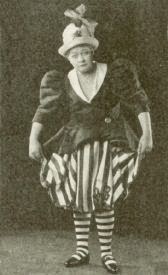
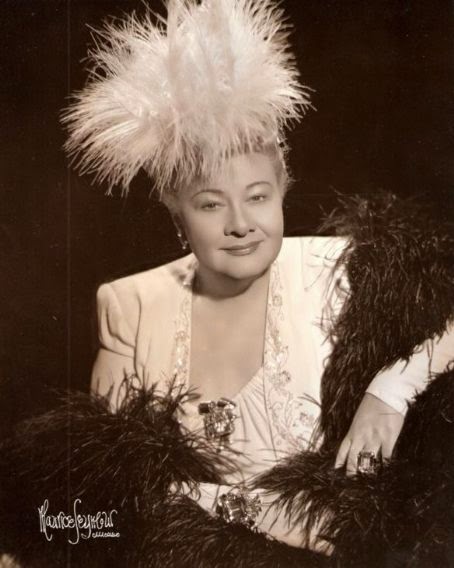
One of my favorite Vaudeville performers was Sophie Tucker (1884–1966).

She was known as the "Last of the Red-Hot Mamas."

She combined an earthy sense of humor with a big rounded body and never let others keep her down.

Life

Sophie was born to a Jewish family in Russia as they were emigrating to the United States. They settled in Connecticut when she was just a baby. 

Her original name was Sophia [or Sonia] Kalish, but the family changed its last name to Abuza when it emigrated.  Later, during a brief marriage at age 19, she took her husband's last name, "Tuck," which she later adapted to Tucker for her stage name.

She worked in her family's restaurant business as she grew up, often singing for tips. According to the website, Jewish Women's Archive, she recounted:
I would stand up in the narrow space by the door and sing with all the drama I could put into it. At the end of the last chorus, between me and the onions there wasn't a dry eye in the place.
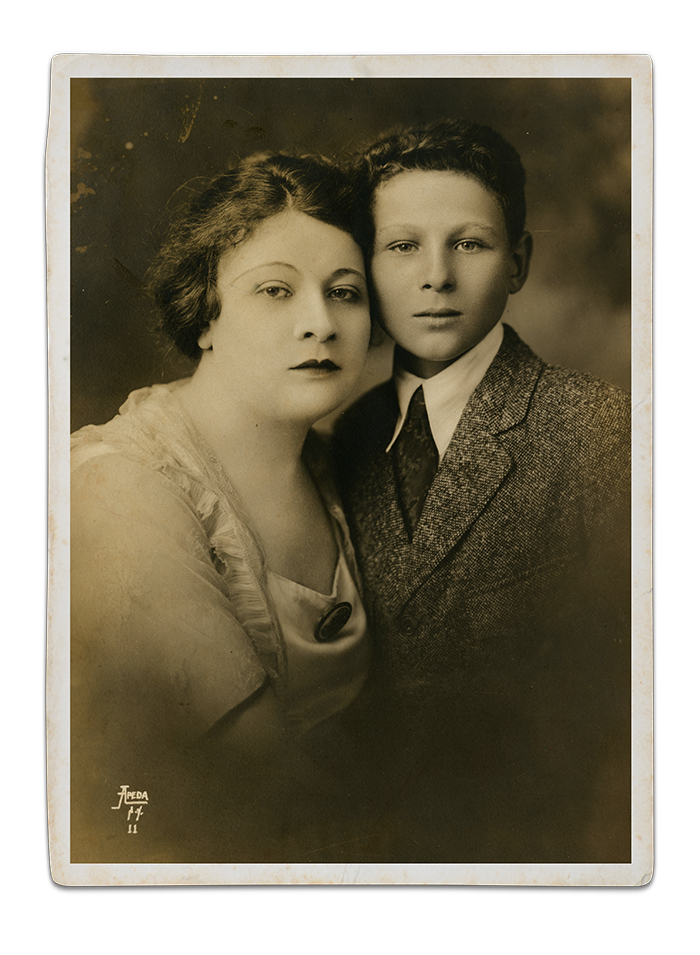
Sophie and her son, Bert
She was married 3 times in her life but none of her marriages lasted for long. She had a son, Bert (see picture to left), with her first husband.

After they divorced, she left Bert with her parents while she went to New York City to make a career and often sent home money from her earnings to help support them.

She married twice more but each experience was unhappy and left her determined to be independent and happy on her own:
Sophie Tucker married and divorced twice more before giving up on marriage, proclaiming, in song, "There isn't going to be a fourth Mr. Ex/ And I'll be damned if I'm paying any more alimony checks/ I'm living alone and I like it."
She felt that philanthropy was very important and supported many charities. She died at age 82, from lung and kidney ailments.

Career

Sophie Tucker had a long and varied career.

She started in vaudeville with a comic shtick routine, and this vaudeville material influenced her style for the rest of her life.

She was briefly in the Ziegfeld Follies, but was so popular that many of the other performers refused to go on with her because she upstaged them.

In time, she branched out to (rather forgettable) movies, then developed a nightclub act in which she revisited her vaudeville material while also developing more sentimental songs.

In her later years, she was a frequent guest on music and variety shows on TV like The Ed Sullivan Show. 

She toured incessantly and performed right up until a few weeks before her death.

Weight

Although actually not that large, Sophie was always considered a big girl in the entertainment world. Even as a young teenager, she was often called "the fat girl." Her early managers were afraid she was "too fat and ugly" to make it on stage.

Rather than let it work against her, she used it as part of her act, and was often self-deprecating about it. As one source comments:
Tucker's stage image emphasized her "fat girl" image but also a humorous suggestiveness. She sang songs like "I Don't Want to Be Thin," "Nobody Loves a Fat Girl, But Oh How a Fat Girl Can Love."
Late in her career she sang a song called, "I'm the 3-D Mama with the Big Wide Screen."

In her most famous song she sang, "You're gonna miss your big fat momma some of these days."

She took a perceived negative and turned it into a positive by playing the underdog and making her audiences root for her. The fact that the "fat and ugly girl" became most famous for her racy, sexy material was an irony not lost on her.

Bawdy Overtones


A lot of Tucker's stage personality was based on a bold, brassy, sexy persona, singing songs of humorous raciness.

This earned her the billing, "The Last of the Red Hot Mamas" but her material was just ambivalent enough that it could be interpreted innocently or not-so-innocently, which kept her away from the worst censorship of the time. 

Some of her racy songs included, "I May Be Getting Older Every Day (But Younger Every Night)," "When They Start to Ration My Passion, It's Gonna Be Tough on Me," "Making Wicky-Wacky in Waikiki," and "You've Got to Make It Legal, Mr. Siegel."

Singing "The Angle-Worm Wiggle" got her removed from the stage in 1910 but the judge threw out the case.

Performing Style

As her act progressed, Tucker hired Ted Shapiro as her accompanist. He became a long-time part of her act, exchanging witty banter with her in between numbers. He also wrote some of her songs.

She usually used a narrative, half-speaking style in her songs, especially as she aged, but could sing when needed.

Her voice was not very good, but her comic style and brassy delivery influenced later entertainers like Mae West, Ethel Merman, and Bette Midler (who has a stage character named "Soph" and who supposedly named her daughter after Tucker).

Tucker was fiercely independent after all her failed marriages, and that was often reflected in her repertoire. Some of her songs included "A Good Man Is Hard to Find," "You Can't Deep-Freeze a Red-Hot Mama," "Too Much Lovin'," "Never Let the Same Dog Bite You Twice," "I'm Living Alone and I Like It," "I Ain't Takin' Orders from No One," and "No Man is Ever Gonna Worry Me."

Her songs about independence from men made her popular with women, but men liked her for her bawdy humor. She toured vaudeville houses and music halls through the United States and Europe, taking on a more nostalgic style as the years progressed and vaudeville went out of vogue.

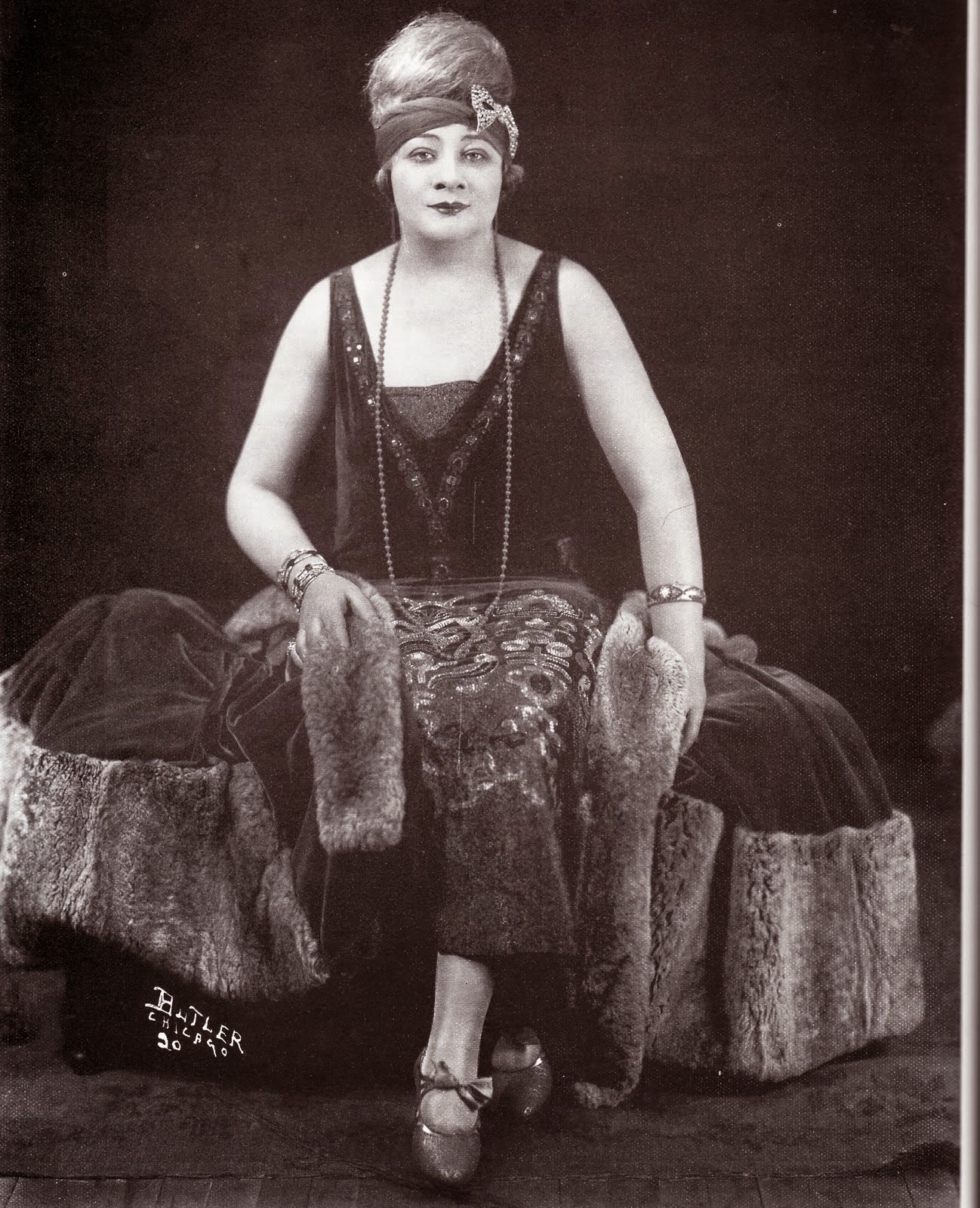
Although she could be quite flamboyant, dressing in furs, jewels, feather boas, and outrageous wigs and hats, she also could effectively deliver serious or highly sentimental songs, earning her the title of "The First Lady of Show Business" by the end of her career.

Controversies

As with many other performers of that era, her early career is deeply entwined with racist practices common to the time, like singing in blackface and doing covers of African-American songs.

In 1907, when Tucker got her first break in vaudeville, they insisted that she perform in blackface. However, one day when her costume trunks got lost, she had to go onstage without it and became more popular without it, thereafter dropping the practice.

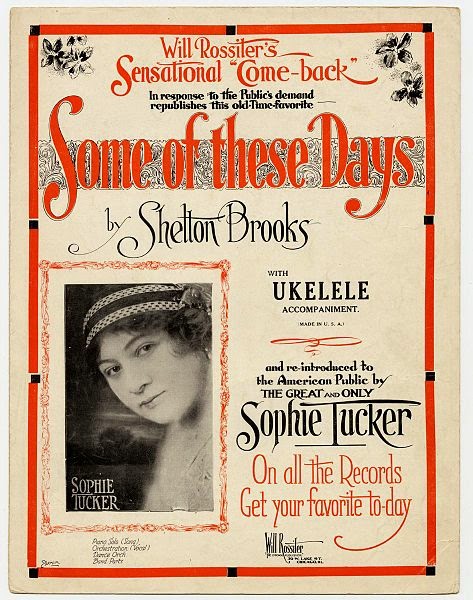
She hired African-American composers to write songs for her and sang in a style influenced by ragtime and blues. She hired vaudeville and blues greats Mamie Smith and Ethel Waters to give her singing lessons in those styles. In 1910, African-American composer Shelton Brooks wrote "Some of These Days." Tucker purchased exclusive rights to sing it and it became the signature song of her act and the title of her 1945 autobiography.

Tucker also made a name for herself by singing for Jewish audiences. She sang songs like "My Yiddishe Momme" by Jack Yellen and Lew Pollack, a highly sentimental song about a mother's sacrifice, which she began singing after the death of her own mother. She explained:
Even though I loved the song and it was a sensational hit every time I sang it, I was always careful to use it only when I knew the majority of the house would understand Yiddish. However, you didn't have to be a Jew to be moved by 'My Yiddish Momme.' 'Mother' in any language means the same thing.
In addition to performing, Tucker was active in efforts to unionize professional actors, and was elected president of the American Federation of Actors in 1938. This did not endear her to show business executives but her efforts to gain better conditions made her popular with performers and those working behind the scenes. In one story, the Teamsters were on strike when she died, but the hearse drivers put down their signs temporarily for her funeral procession to honor her memory.

Devotion to Charity

Tucker was a believer in doing good works. According to the Jewish Women's Archive:
Tucker was known for her reverence of the Hebrew principle of tzedaka, charity and acts of good will toward others. In 1945, she established the Sophie Tucker Foundation, donating time, energy, and resources to an ecumenical assortment of causes. Tucker contributed to the Jewish Theatrical Guild, of which she was a life member, the Negro Actors Guild, and the Catholic Actors Guild, as well as the Will Rogers Memorial Hospital, the Motion Picture Relief Fund, synagogues, and hospitals. She supported Israel Bonds, and her foundation endowed a Sophie Tucker chair at Brandeis University in 1955.

In 1959, on the first of several trips to Israel, Tucker dedicated the Sophie Tucker Youth Center at Beit Shemesh in the Judean Hills. Two years later, she sponsored another youth center at Kibbutz Be'eri in the northern Negev near Gaza. In 1962, she sponsored the Sophie Tucker Forest near the Beit Shemesh amphitheater and raised money for another forest. She also donated time and money to numerous hospitals and homes for the aged.

Tucker used her economic independence to empower herself and others, which created tensions in her personal life. Early in her career, Tucker had helped many of the prostitutes who lived in the same rooming houses as she, stashing money from their pimps, noting that, "Every one of them supported a family back home, or a child somewhere." While on tour, she brought her band to play in houses of prostitution for women who'd taken the night off in her honor.

Tucker felt that it was her economic independence that doomed her marriages to Tuck, accompanist Frank Westphal, and manager Al Lackey, all of which ended in divorce. As she explained it: "Once you start carrying your own suitcase, paying your own bills, running your own show, you've done something to yourself that makes you one of those women men like to call 'a pal' and 'a good sport,' the kind of woman they tell their troubles to. But you've cut yourself off from the orchids and the diamond bracelets, except those you buy yourself."
Stories and Quotes

Here are some of Sophie Tucker's most famous quotes:
  • "I've been rich and I've been poor. Believe me, honey, rich is better."  [Whether she or someone else actually said this is disputed, but it's generally attributed to her.]
  • "I couldn't make [her mother] understand that it wasn't a career that I was after. It was just that I wanted a life that didn't mean spending most of it at the cookstove and the kitchen sink."
  • "Gradually, at the concerts, I began to hear calls for 'the fat girl'.... Then I would jump up for the piano stool, forgetting about my size, 145 pounds at age 13, and work to get all the laughs I could get."
  • “I was never sylph-like. I was always big and husky.”
  • From Raymond Stanley's Show Buzz: Kenn Brodziak, who engaged her, had never met her before but, immediately she alighted from the plane and he had introduced himself, she took him aside and clutched his arm. Very gently she said: “Don’t let the TV cameras near me - it’ll hurt your box office!”
  • "From birth to age eighteen, a girl needs good parents. From eighteen to thirty-five, she needs good looks. From thirty-five to fifty-five, she needs a good personality. From fifty-five on, she needs good cash." 
  • "I would start off with a lively rag, then would come a ballad, followed by a comedy song and a novelty number, and finally, the hot song. In this way, I left the stage with the audience laughing their heads off."
  • "I've never sung a single song in my whole life on purpose to shock anyone. My 'hot numbers' are all, if you will notice, written about something that is real in the lives of millions of people."
  • "Laugh and the whole world laughs with you. Weep and you sleep alone."
  • "Success in show business depends on your ability to make and keep friends." 
Bette Midler incorporated some of Sophie Tucker's more bawdy humor into her stage show, or used it as inspiration for her own naughty comic riffs in Soph's personality. You can read more about these here. [Keep in mind, these are definitely not for the easily offended.]

Videos of Performances

Here is a recording of Sophie performing "Red Hot Mama."


  References


*Archive Recordings of Sophie Tucker:
**Material drawn from several sources, including:

Tuesday, May 6, 2014

Emergency Phone Numbers to Keep Handy

If an emergency or health crisis hits, it's vital to have a list of important phone numbers handy to help you through the crisis.

It's even more helpful if you have generated this list of emergency numbers ahead of time, so you don't have to spend precious time scrambling to find the numbers you need.

This is one thing our family has learned from experience. It's especially important if you have children or elderly people who are dependent on you.

Making an Emergency Phone Number List 

If you don't already have an emergency phone list, start making one now. Make it a word processing document so you can update it as needed. Make the document as easy-to-read as you can.

Then program these phone numbers into your cell phone AND print them as a hard copy. 

Many people have their emergency phone numbers only in their cell phones, but then have none of them available if their cell phone runs out of battery power, is stolen, or is damaged. If you also have a hard copy of the numbers, you have a back-up to refer to if needed. Ideally, you should know the most important numbers by memory also (and train your children to know them too), but a hard copy is helpful because memory is sometimes unreliable in an emergency situation when under stress.

At home, hang a copy of these emergency numbers up on the wall by all your major phone receivers (or in a prominent place in the home, like on the kitchen refrigerator and in the master bedroom, if you only have cell service).

Include your name, home address, and phone number at the top of the page; many children (and even adults) forget their own contact information in the adrenaline rush of an emergency and find a nearby reminder to be helpful. If a family member has a known medical condition or significant allergy, you should include that information near the top as well.

Carry a hard copy of these emergency numbers in your purse/wallet, emergency supplies backpack, diaper bag, and car. You never know when you might need them while away from home.

Your family's emergency phone number list should include:
  1. Parent names and phone numbers (work, home, and cell)
  2. Guardian names and phone numbers (work, home, and cell)
  3. Relative names and phone numbers (work, home, and cell)
  4. Doctor names and phone numbers (for each member of the family)
  5. Dentist names and phone numbers (for each member of the family)
  6. Poison Control (1-800-222-1222)
  7. Nearby hospital phone numbers
  8. Your pharmacy's name and phone number
  9. Your veterinarian's name and phone number (and an animal hospital) if you have pets
  10. Neighbors (and their phone numbers) who could help out at your home until you could return
  11. Trusted local emergency contacts who you could call for help if needed
  12. Names and phone numbers for your children's schools (and daycare/babysitters, if applicable)
  13. Names and phone numbers for adult helpers at kids' activities (Scouts, sports, church, etc.)
  14. Out-of-State emergency contact phone numbers/names
  15. Your home, medical, and car insurance agents' names and contact information
  16. Your utility company contact numbers (water, electric, gas, etc.)
  17. Ambulance, Police, and Fire phone numbers if you are in an area not covered by 911 service
In each car/diaper bag, try to have a current picture of each member of the family. Keep both a hard copy and a digital copy, if possible, because there are certain scenarios in which one or the other form might be most useful. Having both digital and hard copies covers all eventualities.

Hopefully you will never need these emergency contacts, but in life, unexpected things happen. It's good to be prepared for the possibility of a civic emergency, an unexpected medical crisis, an extreme weather event, a sudden school closure, or even just a protracted traffic jam. And having both digital and hard copies of these numbers keeps you ready to respond even when your cell phone isn't working or available. And if cell service is out or overloaded, remember that often a text will go through when nothing else does.

Have children practice making an emergency phone call so they could do it without adult help if needed. Use a disconnected or toy phone and have them play-act dialing 911, telling emergency services about their emergency, and saying their phone number and address. If they are calling from a cell, they should know they may need to describe where they are so they can be located more easily. Emphasize the importance of staying calm and speaking as clearly as possible so the operator can understand them and help get the information needed. They should also know to unlock and open the front door so EMTs can get in, or to have somebody outside waiting for the ambulance.

Role-playing what to do in an emergency can help children respond more effectively, and having an easy-to-read, clear emergency contact list helps children convey information even if they become upset or disoriented. It may help save lives ─ maybe even yours.

Be Ready for Special Needs Family Members

Finally, if you are taking care of an elderly parent or other family member with significant health issues, you know what a hard job this can be.

To make this job easier, consider putting together an updated list of your loved one's medical conditions, health history, current medications, and doctor contact info. Keep this list with you at all times. You may also want to have a file folder at home that you can grab quickly, containing a copy of healthcare power of attorney, living will, and pertinent medical files if this might be needed.

This is the system I developed when I took care of my mother in her final years. Although she lived a long and mostly healthy life, by her mid-80s she did have quite a number of health conditions (as older people often do), including cardiac and neurological issues. After struggling to remember all her complicated medical history every time we went to the doctor or hospital, I developed this system to make things easier. (I kept her medical history on the back of my emergency phone contacts list so I had both critical items on the same piece of paper.)

Having a system like this can improve health and save lives. When I took over my mother's care, she was on a truckload of medications, many of which had interactions with each other. Through careful questioning and care coordination, we were able to reduce her medications considerably and minimize drug interactions. Her condition improved considerably when her medications were more carefully overseen, and my list was helpful in this process.

In addition, by keeping a detailed list of her prescriptions and their proper schedule, I was able to catch a number of medication errors before they happened at the hospital and at her nursing home. This was critical in keeping her quality of life good for as long as possible.

Like many elderly people, she did have a gradual health decline by the end and became a "frequent flyer" at the local hospital. Sometimes we were called into the E.R. in the middle of the night or on very short notice because of a complication. Those doctors depended on me to quickly fill in the blanks of her health history until they could get further details from her physicians, but it was often hard to remember everything on such short notice or in the middle of the night.

Having a pre-existing list of her conditions, history, prior surgeries, medications, and doctors made all of our lives so much easier. All I had to do was pull out the list, have them make a copy of it, and then answer any questions they had. This streamlined her treatment and minimized medication delays. They often thanked me for being so organized and told me they wished everyone kept such a list.

Taking care of a loved one with special medical needs is a hard job. It's also difficult for medical professionals, who must formulate a quick treatment plan for complicated cases. If they are delayed in finding out the patient's medications and medical history, critical treatment may also be delayed.

Having a special patient's updated medical history summary with you at all times can help expedite treatment and prevent many medical errors. It also can considerably lighten the heavy burden of overseeing the care of such family members.

Summary

Having an emergency contacts list with you at all times can help you deal with unexpected situations like weather emergencies, medical crises, or other challenges. Although most people carry emergency numbers in their cell phones, many don't have all the recommended numbers above in their cell phones, and few think to carry a hard copy too in case they don't have access to their cells.

Similarly, if you are one of the many people who care for a family member with special medical needs, it can be very helpful to also have their medical history summary on the back of your emergency contacts hard copy. List the person's conditions, doctors, doctor contact info, and medications/dosages/schedule and keep it nearby at all times. That way, if you are called in to help, you don't have to scramble to try to remember all the details accurately. The medical professionals you deal with will appreciate a concise summary like this.


Resources

Forms to help make an emergency contact list:
Advice on discussing how to make emergency calls with your child:

Saturday, April 19, 2014

Placenta Accreta: Brandy's Story

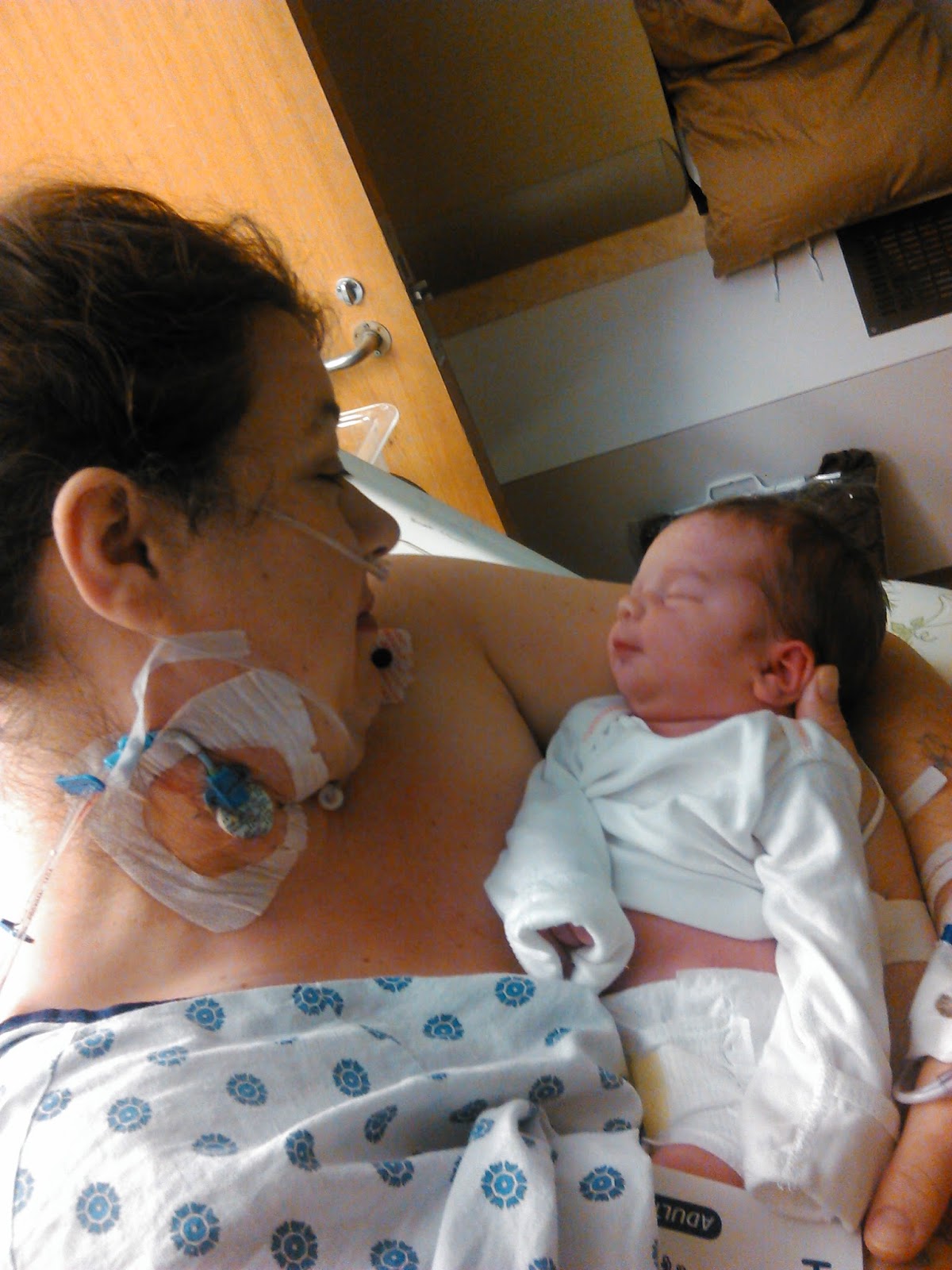
Brandy and her 7th baby postpartum
Notice the large central IV line in her neck and IV line in her arm for quick blood transfusion

As part of Cesarean Awareness Month, we are drawing attention to the high cesarean rate and the public health implications of too many cesareans.

One of the complications of multiple cesareans is that the placenta in a subsequent pregnancy can implant too low in the uterus (placenta previa) or grow into the uterine wall (placenta accreta).

This can cause life-threatening complications, including premature birth, impaired growth, or stillbirth for the baby, and severe hemorrhage, hysterectomy, and even death for the mother. Placental abruption (placenta detaching too early) is another potential risk after a prior cesarean.

We've written about placental complications after cesarean before. As a brief reminder, there are three levels of severity in accretas:
  1. Accreta (placenta is abnormally attached to uterus and can't detach easily after birth)
  2. Increta (placenta grows into the wall of the uterus and cannot detach after birth)
  3. Percreta (placenta grown through the wall of the uterus and into surrounding organs)
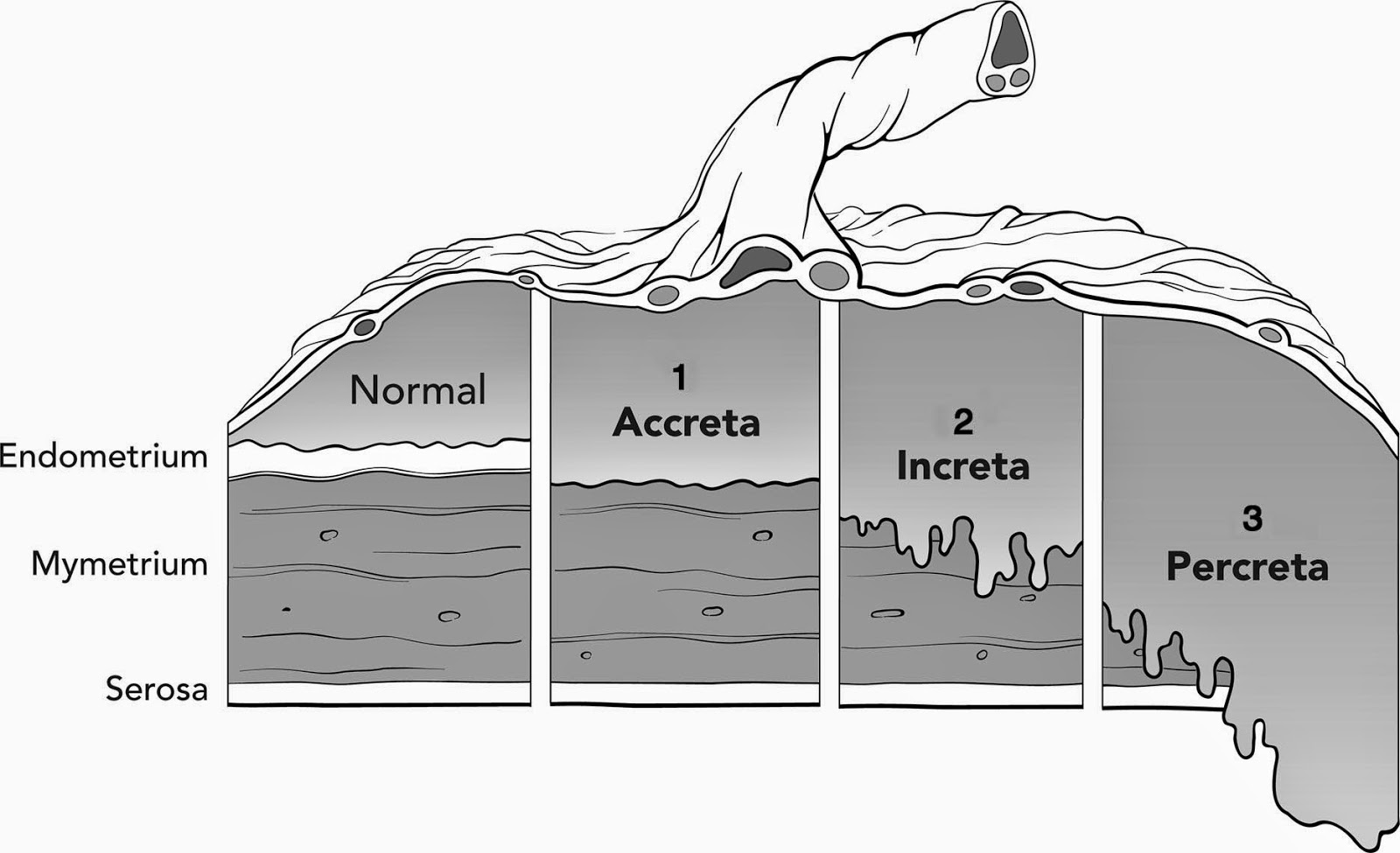
Image Source: Reitman 2011, Anesthesiology

[If you are looking for more technical information about placenta accreta, see Part One (what is accreta, how a placenta works), Part Two (risk factors, symptoms, and incidence of accreta), Part Three (risks to mother, baby, and future pregnancies), and Part Four (diagnosis and treatment) of my prior series on placenta accreta.]

This time, rather than writing about what accreta is and how to manage it, we present the first-hand story of one mother's experience with placenta accreta (increta in her case). 

It's important to remember that placenta accreta is real and affects real women and babies. Do enough cesareans, and increasing numbers of women will face this devastating and life-threatening complication. I've known several women now who have been affected by this condition; all suffered severe hemorrhages and several lost their fertility and uteri forever. One lost her baby and very nearly her life too.

That's why it's so important to do cesareans only when medically indicated and to keep VBAC (Vaginal Birth After Cesarean) an option for those who want it.

Brandy's Story

Brandy has had 7 births and 2 miscarriages. 3 of her births were by cesarean.

Yes, high parity is a risk factor for placental complications, but multiple cesareans is a stronger risk factor. Combine the two and the risks multiply.

Her first birth was a c-section after mismanagement by her doctor. She was told she'd never deliver a baby over 8 lbs. and that her babies were "too big" for her to deliver vaginally. She developed a terrible infection and wasn't allowed to hold her baby for 3 days.

Her second birth was a VBAC at 32 weeks. The placenta detached prematurely and baby might have had some lack of oxygen issues. He passed away at 21 months from seizures.

She miscarried her next pregnancy. Her third birth was another VBAC. She had to fight hard for it when her labor stalled for a little while but in the end she had a VBAC.

Her fourth birth was a CBAC (Cesarean Birth After Cesarean). She had a big baby (10 lbs.) and her doctor scared her into a repeat cesarean because of a recent shoulder dystocia in the practice.

Her fifth birth was another CBAC. Her doctor was opposed to a VBA2C. After her water broke and labor did not start for several days, she had the repeat cesarean. The doctor said she had very little scarring and could have more children. The risks of multiple cesareans, including accreta, were never mentioned.

In her next pregnancy, Brandy weighed the potential risks of VBAC after multiple cesareans against the cumulative risks of multiple cesareans and chose VBAC. She stayed at home in order to have a supportive provider. Her sixth baby was a homebirth VBA3C. He was 11 lbs. 4 oz., three lbs. bigger than her first doctor said she could ever birth vaginally.

She had another miscarriage again, then became pregnant a few months later. She planned another VBAC. Unfortunately, this time the fertilized egg implanted low, near the cervix (placenta previa) and the placenta grew into the uterine wall and into the cervix itself (placenta increta).

In the end she lost her uterus and most of her cervix and suffered a severe hemorrhage but was very fortunate to escape with her baby and her life.

This is the story of Brandy's placenta accreta pregnancy and birth.

I was so excited when I found out I was pregnant. I was also very scared since I had just miscarried 8 months prior. At 7 weeks when I started spotting I just knew something was wrong. I had no idea what the real problem was and what I would end up facing.

I decided to go to the ER and get checked. It was a pleasant surprise to see a healthy little heart beat. I did notice on my discharge paper that it was noted that the placenta had attached to the lower uterine segment.

A week went by and I was still spotting. I called my OB and they decided to schedule a ultrasound to check on things. The ultrasound tech noted that I had a short cervical length. I was sent to a perinatologist to see if they wanted to place a stitch. I was very confused. I had already carried 6 other children. I did deliver one of my babies at 32 weeks, but I never had a incompetent cervix.

The perinatologist quickly pointed out that I had a complete posterior placenta previa. I was so upset; I knew that would mean another c-section. I had already had 3 c-sections; I did not want another. I had already begun dreaming of another beautiful HBA3C. I had it in my head how I was gonna make a music list and dance through labor. I was gonna walk around outside in the nice cool October weather. I was looking forward to feeling every contraction and being more relaxed this time since it would be my 2nd HBA3C. [kmom note: Home Birth After 3 Cesareans]

Time went on and I continued to get ultrasounds monthly. It was always the same thing...the placenta had not moved. I was still spotting everyday; it was there every time I wiped. At one ultrasound appointment my OB made a comment that she saw a lot of placental lakes. I started researching placental lakes and learned that they are seen a whole lot with accreta. I started to worry.

I finally got good news at my 20 week ultrasound. The perinatologist said it looked like the placenta had moved and it was only the tip of it covering my cervix. He did say that there was a blood clot covering the cervix now, but that my body should reabsorb it. I questioned him a little bit about the blood clot. He reminded me that I had been spotting and that is what it was from. I had noticed the spotting had been slowing down so it all made sense. It was good news! The placenta moved some and I had a healthy baby boy. No one had to tell me I was having a boy; he decided to show off for momma.

I left the doctor's office practically skipping. I went and bought a bunch of "It's a Boy" balloons and filled a bag with them to let my other kids tear open. We were all so happy and back to planning our home birth.

At the next ultrasound I was 24 weeks and I just knew they were gonna tell me the placenta had moved more.  The look on the ultrasound tech's face said something was wrong. When she told me she wanted the doctor to see it I felt my stomach go into my throat. 

Two minutes felt like a century as the doctor was looking at the ultrasound. He said, “What I believed was a blood clot last appointment actually looks like a accreta.” He then went on to say that unfortunately with your c-section history and what this looks like, it I am pretty sure we will have to take your womb. 

He went on to show me how vascular one section of the uterus was. He continued to talk about unfortunately this is like the weather, there is nothing you can do about it. He continued to talk and all I heard was some mumble about any OB can do a hysterectomy and I should be able to deliver at my local hospital.

I was numb, how could this be. I waited at the check-out desk trying to breathe, trying not to cry. I got my card for my next appointment as the tears started to fall. I don’t know how I walked to my car. My phone rang and I could not get out hello.

After I had a little while to process things and talk to a few people I decided to go to get a second opinion in Baltimore. The blood clot theory made sense. My spotting stopped at 22 weeks.  I figured that was a good sign. The specialist in Baltimore knew more about accreta and could give me better answers.

Once I got to my appointment in Baltimore, that look the first tech had, I saw it all over again. This look of fear, maybe even confusion, just like the tech before she went to go get the doctor. He showed me that the placenta was supposed to look black on the ultrasound and there was these weird gray areas. He told me that at the least we were dealing with increta, but that he believed it was percreta. 

He went on to say all my care would be transferred there. That with this condition there would be massive blood loss and my local hospital could not handle delivering me. I tried to be strong but I burst into tears. We decided to do a MRI to try to get a better ideal if any of my other organs were involved.

Everything then just became a blur. I spent every Monday in Baltimore seeing doctors and having ultrasounds. The group of specialist were waiting on the MRI results to decide whether to deliver closer to 34 or 36 weeks.

Once the MRI results came back it looked like no other organs were involved but that the placenta was invading the uterine wall. I was so happy to get the news that none of my other organs were involved. That was the first time through all of this I got good news. It is funny looking back now how wonderful that news really was to me.  Since I was doing good and had no bleeds they decided to schedule my c-section at 36 weeks. Some of the doctors were still hopeful that once they got in there the placenta would detach easily.

I had 6 weeks until delivery and I was trying to understand and accept things. I was terrified. I felt like a ticking time bomb. I could not sleep. My husband was working nights so I was alone with 4 little ones, eight and under. I was scared I would have a bleed in the middle of the night and the kids would be terrified. When I did sleep I would have nightmares of having a c- section and my incision opening up and I was standing there holding my insides. 

I would hold my little ones and wonder if  I would be able to see them grow up. I would think, "My 2 year-old will not remember me." I think all these thoughts but had no patience with my kids. Then I would think if I don’t make it all they will remember is me snapping at them. 

One of the hardest things I had to deal with was knowing that the people that got me here by doing 3 unnecessary c-sections on me were the same people I now had to trust to get me out of this.

As the weeks went by I realized that I had no control over the outcome. I had to do the best I could and control what I could and give the rest to God.  I had to believe that even if I did not make it through that God would take care of my kids and it would be OK.

Days before my delivery I had to go do pre-op blood work and meet with anesthesia. I was told with the blood loss they were expecting I may have a lot of swelling and fluid in my lungs. They may have to keep me asleep until Friday until the swelling went down. They wanted my family to be prepared. That broke my heart to think I may not see my baby on the day he was born. They said I would go home with a bladder bag if they had to do the hysterectomy. With the scar tissue from my c-section they were sure that they would rip my bladder when they removed my uterus.

Delivery day came saying good bye to my kids was one of the hardest things I ever had to do. They were so excited to meet their brother the next day. And I had no idea if I would ever meet my baby or see my other kids again. 

I got to the hospital around midnight. They got me situated in my room and then let me sleep for a few hours. I would doze off for a few minutes then wake back up with a knot in my stomach and a lump in my throat. I didn't want to be there. I wanted to run far far away from that place.

At 6 a.m. they came in and started to get me prepped for surgery. We had decided that it was best for me to just be put under general. My surgeon was afraid he would lose time if I began to hemorrhage and they had to put me under then. They did not want the baby to be under general any longer then he had to. 

All the prep was done in my room. Anesthesia came and placed a central line in my neck and a large IV in my wrist; both of those were for blood transfusion. They also placed a monitor in my wrist that would send labs and gives them second-by-second blood pressure reading. By this time I was numb, I had shut down. I just prayed and sang worship songs in my head and took myself away from there.

My surgeon came in and did a quick ultrasound to see where he was gonna cut.  As funny as it sounds I was still hoping that he was gonna find that the placenta had moved.

Once it was time to go to the OR the two main surgeons wheeled me down. My husband got off on another floor to wait in the waiting room. I just wanted to scream, “NO!” I didn't want my husband to go. I wanted him there when I fell asleep. I just gave him a kiss and told him I will see you in little while. He said a quick prayer and slipped off the elevator.

We were outside the O.R. doors and had to wait. The blood bank had not brought down the blood that was to be on stand-by in the O.R. There were doctors everywhere. My neck hurt so bad from the central line. I could barely move. And there was so many people coming up introducing themselves. MY nurse kept saying, “Oh my goodness, everyone is here.” She said, "You have the best of the best!"

All of a sudden here comes two big coolers. I just hear everyone say, “OK, let's go.” My surgeon told me, "I have been resting for 2 days for your surgery." 

I said, “Hey, you have to take good care of me. I have lots of little ones that need me.” He said, “Brandy, we know what you got and we are gonna take good care of you.”

Things got real busy in the O.R., they put the oxygen mask on me, and kept telling me to to take nice slow breaths. The mask made me feel like I could not breathe. I was getting frustrated that I was not asleep yet. I wanted it over. No matter what the outcome was gonna be I was ready to get there. Everyone was rubbing my arms telling me that they were there and they aren't gonna leave, that I was OK. I remember thinking I am never gonna fall asleep.

I heard, "Don’t talk, you still have the breathing tube in." I raised my arm and started to write in the air. The nurse got me a paper and pen. I wrote "b" and dozed off, I wrote "a" and dozed off. The nurse said, "Are you writing 'baby'?" and I shook my head yes! She told me that he was healthy, 7lbs 2.5 oz. He had no problems and went straight to the newborn nursery.

They took the breathing tube out and I said, "Is it Friday?" and the nurse said, "No, it is Thursday, 2 in the afternoon!" I was so so happy my baby was OK and I was still here. It was finally over! The worry, the fear, the unknown!

My surgeon came and held my hand and  told me that they did have to do the hysterectomy, the main vein in the placenta had grew very deep into my cervix. They also had to take most of my cervix. I lost 7 ½ liters of blood. I was given 13 units of blood products. 

[kmom note: 7.5 L is 7500 ml. Normal blood loss in a vaginal birth is 500 ml; 1000 in a cesarean. She had more than 7x the normal blood loss for a cesarean.]

I didn't care at that point. I was alive, my baby was healthy! We made it to the other side. PRAISE GOD we were OK!

I met my little man when he was 8 hours old. He is perfect. I would do it all again to have him. We have both done very well recovering physically. I didn't need a bladder bag after all. I delivered on a Thursday and we came home together on Sunday. 

But emotionally it has not been so easy. I do sit here in disbelief sometimes wondering why me? Other days I get angry. I want to punch something and yell GIVE ME MY UTERUS BACK! I mourn the loss of my fertility, the loss of his birth and the first 8 hours of his life. The loss of my last pregnancy. The loss of some relationships that have been damaged through all this for one reason or another.

I share my story not to scare anyone. I know what it feels like to be scared into something. I would never want to do that to someone else. I just want women to be aware of all possible complications. I want women to be able to give true consent and be aware of all risks. 

If sharing my story saves one women from having a different ending than me then it wasn't all for nothing. Accreta is not talked about, but it is real, very real!


Saturday, April 12, 2014

Preventing the First Cesarean: Don't Go to the Hospital Too Early

Dark line with squares is overall cesarean rate,
Light line with triangles is primary cesarean rate,
Line with diamonds that goes up and then plummets is the VBAC rate

As part of Cesarean Awareness Month, we are discussing the long-term implications of a high cesarean rate, as well as how to lower the sky-high cesarean rate in women of size.

One of the important parts of lowering the overall cesarean rate is preventing the first (or "primary") cesarean.

As you can see from the chart, the primary cesarean rate (middle line) has risen over the years pretty much in parallel with the overall cesarean rate, even as the VBAC (Vaginal Birth After Cesarean) rate has drastically declined.

The VBAC rate has declined so strongly because many places have VBAC bans in place. Once a woman has that first cesarean, she usually has repeat cesareans thereafter, unless she is one of the lucky ones who can find a provider that is truly willing to support VBAC.

Thus the first step to lowering the high overall cesarean rate is to prevent the very first cesarean from happening whenever possible.

And one important step in preventing primary cesareans is not going to the hospital too early in labor. 

Research has shown that when women are admitted early in labor ("latent" labor), they have a much greater chance of having a cesarean than if they get to the hospital a bit later, when contractions are consistent and dilation starts to change more quickly ("active" labor).

In fact, a recent consensus statement from the American Congress of Obstetricians and Gynecologists and the Society for Fetal-Maternal Medicine suggests that the definition of "active" labor be changed from 4 cm to 6 cm.

Lamaze International has highlighted this with their related discussions on "Six is the New Four."

This proposed change is based on research that suggests that labor tends to progress more slowly in the early stages of labor than recognized in previous guidelines, and that many "failure to progress" cesareans might be prevented by being just a little bit more patient during labor.

Below is yet another study that confirms the importance of not going into the hospital until labor is well-established and "active."

In this study, more than half the women were admitted during "preactive" labor, and those that were had more than twice the c-section rate of those who were admitted in active labor.

If half of women are regularly being admitted into the hospital during latent labor, this strongly suggests that delaying admission to the hospital until labor is truly in the "active" phase might help lower the primary cesarean rate significantly.

This may be a particularly important consideration for women of size. Some research suggests that "overweight" and "obese" women have longer labors, especially in the stage just before transition. Although no one has actually studied yet whether delaying admission until 6 cm in obese women would lower cesarean rates in that group, it certainly seems like a logical conclusion.

In combination with lowering unnecessary induction rates and being more patient in labor, delaying hospital admission until 6 cm might really help impact the cesarean rate in obese women.

Summary

The take-home message for mothers is that if you plan to birth in the hospital, don't rush to the hospital in early labor.

Obviously, if there is something that is concerning you or doesn't feel right, it's important to be evaluated, and you should not hesitate to go in and ask for evaluation. Certain other medical situations, of course, might also call for early evaluation; your care provider will help you determine the situations to be cautious about.

However, most of the time, there is no need to be in the hospital right away if labor has started. The sooner you go in, the more likely you are to have interventions like oxytocin augmentation and cesareans.

The take-home message for hospitals is to have stricter admissions policies, given that around half of women are being admitted in early labor. The secondary message is to allow more time in labor before moving to a cesarean (barring fetal distress); a "failure to progress" cesarean is too often a "failure to wait" cesarean.

Bottom line: To lower the rate of primary cesareans, wait till labor is well-established before going to the hospital, and practice more patience during labor before moving to a cesarean if all else is well. 


References

J Midwifery Womens Health. 2014 Jan;59(1):28-34. doi: 10.1111/jmwh.12160. Epub 2014 Feb 11. Outcomes of nulliparous women with spontaneous labor onset admitted to hospitals in preactive versus active labor. Neal JL, Lamp JM, Buck JS, Lowe NK, Gillespie SL, Ryan SL. PMID: 24512265
INTRODUCTION: The timing of when a woman is admitted to the hospital for labor care following spontaneous contraction onset may be among the most important decisions that labor attendants make because it can influence care patterns and birth outcomes. The aims of this study were to estimate the percentage of low-risk, nulliparous women at term who are admitted to labor units prior to active labor and to evaluate the effects of the timing of admission (ie, preactive vs active labor) on labor interventions and mode of birth. METHODS: Data from low-risk, nulliparous women with spontaneous labor onset at term gestation were merged from 2 prospective studies conducted at 3 large Midwestern hospitals...RESULTS: Of the sample of 216 low-risk nulliparous women, 114 (52.8%) were admitted in preactive labor and 102 (47.2%) were admitted in active labor. Women who were admitted in preactive labor were more likely to undergo oxytocin augmentation (84.2% and 45.1%, respectively; odds ratio [OR], 6.5; 95% confidence interval [CI], 3.43-12.27) but not amniotomy (55.3% and 61.8%, respectively; OR, 0.8; 95% CI, 0.44-1.32) when compared to women admitted in active labor. The likelihood of cesarean birth was higher for women admitted before active labor onset (15.8% and 6.9%, respectively; OR, 2.6; 95% CI, 1.02-6.37). DISCUSSION: Many low-risk nulliparous women with regular, spontaneous uterine contractions are admitted to labor units before active labor onset, which increases their likelihood of receiving oxytocin and giving birth via cesarean. An evidence-based, standardized approach for labor admission decision making is recommended to decrease inadvertent admissions of women in preactive labor. When active labor cannot be diagnosed with relative certainty, observation before admission to the birthing unit is warranted.
Previous Research on Early Admission in Labor

Midwifery. 2013 Dec;29(12):1297-302. doi: 10.1016/j.midw.2013.05.014. Epub 2013 Jul 24.
Influence of timing of admission in labour and management of labour on method of birth: results from a randomised controlled trial of caseload midwifery (COSMOS trial). Davey MA1, McLachlan HL, Forster D, Flood M. PMID: 23890679
OBJECTIVE: to explore the relationship between the degree to which labour is established on admission to hospital and method of birth...SETTING: a large tertiary-level maternity service in Melbourne, Australia. PARTICIPANTS: English-speaking women with no previous caesarean section at low risk of complications in pregnancy were recruited to a randomised controlled trial. Trial participants whose management did not include a planned caesarean and who were admitted to hospital in spontaneous labour were included in this secondary analysis of trial data (n=1532)... RESULTS: ...Pooling the two randomised groups of nulliparous women, and after adjusting for randomised group, maternal age and maternal body mass index, early admission to hospital was strongly associated with caesarean section. Admission before the cervix was 5 cm dilated increased the odds 2.4-fold (95%CI 1.4, 4.0; p=0.001). Augmentation of labour and use of epidural analgesia were each strongly associated with caesarean section (adjusted odds ratios 3.10 (95%CI 2.1, 4.5) and 5.77 (95%CI 4.0, 8.4) respectively. CONCLUSION: these findings that women allocated to caseload care were admitted to hospital later in labour, and that earlier admission was strongly associated with birth by caesarean section, suggest that remaining at home somewhat longer in labour may be one of the mechanisms by which caseload care was effective in reducing caesarean section in the COSMOS trial.
J Obstet Gynecol Neonatal Nurs. 2003 Mar-Apr;32(2):147-57; discussion 158-60.
Impact of collaborative management and early admission in labor on method of delivery.
Jackson DJ1, Lang JM, Ecker J, Swartz WH, Heeren T. PMID: 12685666
OBJECTIVE: This study compared the effects of early admission in labor and perinatal care provider on delivery method. Higher spontaneous vaginal delivery rates for certified nurse midwives as compared with physicians have been reported in observational studies and randomized clinical trials. Certified nurse midwives, with their more expectant approach to labor management, would be expected to admit women later in labor than obstetricians. METHODS: Prospective cohort study of 2,196 low-risk pregnancies, with singleton, vertex infants admitted in spontaneous labor. Independent and joint effects of perinatal care provider and cervical dilation at admission on delivery method were evaluated... RESULTS: Fewer (23.4%) women in collaborative care were admitted in early labor (< 4 cm cervical dilation) than women managed by obstetricians (95% CI = -27.6 to -19.2). Obstetrician care had 9% to 30% fewer spontaneous vaginal deliveries. Women admitted early in labor also had 6% to 34% fewer spontaneous vaginal deliveries. Evaluation of joint effects suggested that interaction between obstetrician provider and earlier admission increased the risk of operative delivery. CONCLUSION:
Later admission in labor (at 4 cm or greater cervical dilation) and management of perinatal care by certified nurse midwives in collaboration with obstetricians increased the rate of spontaneous vaginal delivery in low-risk women.

Saturday, April 5, 2014

Long-Term Implications of a High Cesarean Rate in Obese Women

April is Cesarean Awareness Month.

This is an annual observance sponsored by the International Cesarean Awareness Network (ICAN) to raise awareness of the implications of a high cesarean rate and lack of access to VBAC (Vaginal Birth After Cesarean).

It's always important to remind readers that this observance is not meant to make anyone feel bad about having had a cesarean, or to imply that having a cesarean makes you "less of a mother" or "less of a woman." Nonsense.

Cesareans can be life-saving and wonderful when used appropriately, but they are not risk-free. When over-utilized, they can have dramatic negative consequences too, especially long-term.

Cesarean Awareness Month is not about any one person's experience at all, but rather about the widespread public health implications of a high cesarean rate and lack of access to VBAC. And this certainly is an under-appreciated public health care issue.

Long-Term Risks of Too Many Cesareans

As we posted about extensively last year, one of the overlooked long-term consequences of a high cesarean rate is an increase in the risk for placental disorders.

Specifically, there is a substantial increase in the risk for:
Here is yet another study that confirms cesarean section as a strong risk factor for placental disorders.

Although this meta-analysis does not evaluate the risk by number of prior cesareans, merely by the presence of prior cesarean, a number of other studies have shown that the risk increases strongly with multiple prior cesareans in a dose-dependent manner.

This is why it is important not to have cesarean after cesarean unless it is medically necessary, and why the ban on VBACs in many hospitals is so frustrating.

The ban on VBAC (Vaginal Birth After Cesarean) in some places means that thousands of women have been and are continuing to be subjected to unnecessary cesareans. This in turn is raising the incidence of placental disorders like previa, abruption, and accreta, as well as maternal morbidity from the surgeries and the very serious complication of cesarean scar pregnancy.

Although with good care, many of these complications can be handled, they do often result in life-threatening hemorrhages, bladder or renal damage, uterine ruptures, hysterectomies, prematurity, stillbirth, and even maternal deaths at times.

Although these complications are overall rare, they are happening to real women, with real results, sometimes devastating ones.

This is why it is SO important to do cesareans only when truly indicated, to avoid automatic repeat cesareans, and to keep VBACs available as an option everywhere.

Implications for Women of Size

Long-term complications of cesareans is a particularly pertinent issue for women of size.

If a 32.8% overall national c-section rate is too high, then the rate in "obese" women is an even GREATER reason for concern because in most studies it starts at 30% and goes as high as 40%50%, 60%, and even 70% in some places and groups.

And many of the cesareans done in obese women are done without any labor at all. Many care providers have a de-facto policy of automatic "elective" cesareans for very obese women, despite the fact that this does not improve outcomes.

This disproportionately exposes the larger mother to the risks of cesareans (hemorrhage, infection, blood clots, bladder injury, and anesthesia problems) and subsequent placental disorders. This is insane. Yet few in the obstetric community even question the high cesarean rate in obese women.

This is why observing Cesarean Awareness Month is so important. It's not about putting down anyone who had a c-section, but to raise awareness of the health implications of a too-high cesarean rate.

In addition, it's time for care providers to focus on the implications of the sky-high cesarean rate in women of size and what can be done to lower that rate.

This is why I always observe Cesarean Awareness Month here and why I urge others to do so too.


References

Cesareans and Subsequent Placental Disorders

J Perinat Med. 2014 Feb 24. pii: /j/jpme-ahead-of-print/jpm-2013-0199/jpm-2013-0199.xml. doi: 10.1515/jpm-2013-0199. [Epub ahead of print] Cesarean section and placental disorders in subsequent pregnancies - a meta-analysis. Klar M, Michels KB. PMID: 24566357
...OBJECTIVE: To examine the association between CS and three major types of placental disorders (placental abruption, placenta previa, and placenta accreta with its variants increta/percreta) in subsequent pregnancies. SEARCH STRATEGY: ...observational studies published between January 1990 and July 2011 for examining the association between CS and placental disorders in subsequent pregnancies, without focusing on the effect of increasing number of CSs... DATA COLLECTION AND ANALYSIS: Five cohort and 11 case-control studies met the inclusion criteria for this meta-analysis...MAIN RESULTS: The calculated summary odds ratio was 1.47 (95% confidence interval, CI: 1.44-1.51) for placenta previa, 1.96 (95% CI: 1.41-2.74) for placenta accreta, and 1.38 (95% CI: 1.35-1.41) for placental abruption. CONCLUSION: In this meta-analysis, cesarean delivery appeared as a consistently reported risk factor for all three major forms of placental disorders in subsequent pregnancies.
Obstet Gynecol Clin North Am. 2013 Mar;40(1):137-54. doi: 10.1016/j.ogc.2012.12.002. Placenta accreta, increta, and percreta. Wortman AC, Alexander JM. PMID: 23466142
Placenta accreta is an abnormal adherence of the placenta to the uterine wall that can lead to significant maternal morbidity and mortality. The incidence of placenta accreta has increased 13-fold since the early 1900s and directly correlates with the increasing cesarean delivery rate...
Placenta. 2012 Apr;33(4):244-51. doi: 10.1016/j.placenta.2011.11.010. Epub 2012 Jan 28. Placenta accreta: pathogenesis of a 20th century iatrogenic uterine disease. Jauniaux E, Jurkovic D. PMID: 22284667
...Overall these data support the concept that abnormal decidualization and trophoblastic changes of the placental bed in placenta accreta are secondary to the uterine scar and thus entirely iatrogenic.
Am J Obstet Gynecol. 2011 Dec;205(6 Suppl):S2-10. doi: 10.1016/j.ajog.2011.09.028. Epub 2011 Oct 6. Long-term maternal morbidity associated with repeat cesarean delivery. Clark EA, Silver RM. PMID: 22114995
Concern regarding the association between cesarean delivery and long-term maternal morbidity is growing as the rate of cesarean delivery continues to increase. Observational evidence suggests that the risk of morbidity increases with increasing number of cesarean deliveries. The dominant maternal risk in subsequent pregnancies is placenta accreta spectrum disorder and its associated complications. A history of multiple cesarean deliveries is the major risk factor for this condition. Pregnancies following cesarean delivery also have increased risk for other types of abnormal placentation, reduced fetal growth, preterm birth, and possibly stillbirth. Chronic maternal morbidities associated with cesarean delivery include pelvic pain and adhesions. Adverse reproductive effects may include decreased fertility and increased risk of spontaneous abortion and ectopic pregnancy. Clinicians and patients need to be aware of the long-term risks associated with cesarean delivery so that they can be considered when determining the method of delivery for first and subsequent births.
J Matern Fetal Neonatal Med. 2011 Nov;24(11):1341-6. doi: 10.3109/14767058.2011.553695. Epub 2011 Mar 7. The effect of cesarean delivery rates on the future incidence of placenta previa, placenta accreta, and maternal mortality. Solheim KN1, Esakoff TF, Little SE, Cheng YW, Sparks TN, Caughey AB. PMID: 21381881
OBJECTIVE: The overall annual incidence rate of caesarean delivery in the United States has been steadily rising since 1996, reaching 32.9% in 2009. Primary cesareans often lead to repeat cesareans, which may lead to placenta previa and placenta accreta. This study's goal was to forecast the effect of rising primary and secondary cesarean rates on annual incidence of placenta previa, placenta accreta, and maternal mortality. METHODS: A decision-analytic model was built using TreeAge Pro software to estimate the future annual incidence of placenta previa, placenta accreta, and maternal mortality using data on national birthing order trends and cesarean and vaginal birth after cesarean rates. Baseline assumptions were derived from the literature, including the likelihood of previa and accreta among women with multiple previous cesarean deliveries. RESULTS: If primary and secondary cesarean rates continue to rise as they have in recent years, by 2020 the cesarean delivery rate will be 56.2%, and there will be an additional 6236 placenta previas, 4504 placenta accretas, and 130 maternal deaths annually. The rise in these complications will lag behind the rise in cesareans by approximately 6 years. CONCLUSIONS: If cesarean rates continue to increase, the annual incidence of placenta previa, placenta accreta, and maternal death will also rise substantially.
Obesity and Over-Utilization of Cesareans

Am J Obstet Gynecol. 2012 May;206(5):417.e1-6. doi: 10.1016/j.ajog.2012.02.037. Epub 2012 Mar 7. Maternal superobesity and perinatal outcomes. Marshall NE1, Guild C, Cheng YW, Caughey AB, Halloran DR. PMID: 22542116
OBJECTIVE: The purpose of this study was to determine the effect of maternal superobesity (body mass index [BMI], ≥ 50 kg/m(2)) compared with morbid obesity (BMI, 40-49.9 kg/m(2)) or obesity (BMI, 30-39.9 kg/m(2)) on perinatal outcomes. STUDY DESIGN: We conducted a retrospective cohort study of birth records that were linked to hospital discharge data for all liveborn singleton term infants who were born to obese Missouri residents from 2000-2006. We excluded major congenital anomalies and women with diabetes mellitus or chronic hypertension. RESULTS: There were 64,272 births that met the study criteria, which included 1185 superobese mothers (1.8%)...Almost one-half of all superobese women (49.1%) delivered by cesarean section, and 33.8% of superobese nulliparous women underwent scheduled primary cesarean delivery. 
BJOG. 2011 Mar;118(4):480-7. doi: 10.1111/j.1471-0528.2010.02832.x. Epub 2011 Jan 18.
Planned vaginal delivery or planned caesarean delivery in women with extreme obesity.
Homer CS1, Kurinczuk JJ, Spark P, Brocklehurst P, Knight M. PMID: 21244616
OBJECTIVE: To compare the outcomes of planned vaginal versus planned caesarean delivery in a cohort of extremely obese women (body mass index ≥ 50 kg/m(2)). DESIGN: A national cohort study using the UK Obstetric Surveillance System (UKOSS). SETTING: All hospitals with consultant-led maternity units in the UK. POPULATION: Five hundred and ninety-one extremely obese women delivering in the UK between September 2007 and August 2008...CONCLUSIONS: This study does not provide evidence to support a routine policy of caesarean delivery for extremely obese women on the basis of concern about higher rates of delivery complications, but does support a policy of individualised decision-making on the mode of delivery based on a thorough assessment of potential risk factors for poor delivery outcomes.