Tuesday, October 4, 2011

PCOS: Testing and Diagnosis

We have begun a new series on the blog about PCOS, or Polycystic Ovarian Syndrome.  This is an abnormal hormonal and metabolic condition that is common in women of size.

Today let's talk about the testing and diagnosis of it.


Previously we discussed the definition and symptoms of PCOS, and how it often presents in women.

In the future, we'll discuss its treatment,  how it affects fertility, pregnancy, and breastfeeding, and its effects on menopause and aging.

But for now, let's talk about how to find out whether or not you have it, including what type of care providers to see, what type of tests are usually ordered and why, what they mean, and diagnostic debates.

Diagnostic Criteria for PCOS

PCOS is a somewhat controversial diagnosis. Unfortunately, this means that not everyone agrees on the best way to diagnose it.  For example, 3 different organizations have come up with 3 slightly different criteria for diagnosis over the past 20+ years.

In 1990, the NIH came up with the following criteria to diagnose PCOS:
  1. Clinical and/or biochemical hyperandrogenism
  2. Chronic anovulation
  3. Exclusion of related disorders
In 2003, the Rotterdam criteria were developed.  To be diagnosed via the Rotterdam criteria, a woman must have two of the following three manifestations:
  1. Irregular or absent ovulation
  2. Elevated levels of androgenic hormones
  3. Enlarged ovaries containing at least 12 follicles each.
To make things even more confusing, the Androgen Excess Society recently came up with its own criteria too:
  1. presence of hyperandrogenism (clinical and/or biochemical)
  2. ovarian dysfunction (oligo-anovulation and/or polycystic ovaries)
  3. exclusion of related disorders
Fortunately, all of these different criteria have some similarities.  They are all basically looking for:
  • evidence of disturbed menstrual cycles/ovulation, and 
  • evidence of elevated androgens (male hormones)
These seem to be the key items in deciding whether someone has PCOS or not.  However, since these all occur on a wide spectrum of severity, the milder presentations of these symptoms can still make the diagnosis ambiguous at times.

Variations in Interpreting the Criteria

Some doctors are more strict in their interpretation of these criteria than others.  For example, some doctors consider women to have PCOS only if they have few, if any, menstrual periods.  Others consider any menstrual cycle longer than about 35-40 days to be abnormal and indicative of PCOS.  Still others require 8 or fewer menstrual cycles per year (which translates to cycles of about 45+ days each).

Some doctors require that you demonstrate impaired fertility, and believe that any woman who has had children without fertility treatment could not have PCOS.  Others believe that some women can have spontaneous pregnancies yet still demonstrate other symptoms strongly enough that PCOS is likely. 

Some doctors require lab work confirming that a woman has elevated androgen levels, while others will take physical symptoms of androgen excess (facial hair, thinning scalp hair, cystic acne) as enough proof of elevated androgens.

Ovarian follicles/cysts are now considered a particularly "soft" diagnostic requirement, since some women have cystic ovaries but no other symptoms of PCOS, while others clearly are symptomatic of PCOS yet do not have cystic ovaries.  However, polycystic ovaries are a possible marker, so many providers still look for them, just not as "the" defining symptom of the syndrome.

The Rotterdam criteria is controversial because only 2 of the 3 criteria are needed for diagnosis, and "irregular" as well as "chronic" anovulation is considered.  This opens up official diagnostic recognition to more borderline cases, such as:
...women with hyperandrogenism and polycystic ovaries but normal ovulatory function, and women with ovulatory dysfunction and polycystic ovaries but no clinical or biochemical evidence of hyperandrogenism  (Azziz 2004, see references below).
In other words, it significantly widens the scope of who could be considered to have PCOS, while other criteria defines it more narrowly.

At this point, authorities are still debating the "best" criteria and who should and should not be considered to have PCOS.  Diagnostic criteria are still evolving.

Testing for PCOS: An Overview

There is no simple test to measure conclusively whether or not someone has PCOS. Therefore, in order to try and diagnose PCOS, care providers usually:
  • do a medical history to elicit menstual and fertility history
  • do a physical exam to check for clinical evidence of symptoms
  • do blood work to check various hormone levels
  • do an ultrasound of the ovaries (not always done by every care provider)
PCOS tends to be a diagnosis of exclusion, meaning that other conditions that might cause similar symptoms must be ruled out before one can conclude that PCOS is present. Among others, these conditions might include:
Blood work in particular is helpful in ruling out these other conditions, since many present with similar symptoms to PCOS (hirsutism, mentrual irregularities, weight gain, etc.).

Getting Diagnosed: What Type of Care Provider?

A difficult question for many women is what type of provider to see when trying to decide whether or not they have PCOS. Unfortunately, there is no definitive answer to this question.

Women with PCOS have been diagnosed and treated by Family Doctors, GPs (General Practitioners), Internists, Midwives, OBs, Endocrinologists, and Reproductive Endocrinologists. Occasionally PCOS is caught by a Dermatologist or other specialist, but the patient is usually referred back to another specialty for further testing and treatment of non-skin symptoms.

Many women see their family doctor or GP (General Practitioner) for testing. The advantage of this is that the family doctor or GP tends to be less fat-phobic on average than specialists, and tend to listen better at appointments.  However, not every family doctor or GP has very deep or thorough knowledge about PCOS and its proper testing and treatment.

Midwives and OBs are often the main source of diagnosis because PCOS problems usually reach critical levels around menstrual, fertility, gynecologic, or obstetric issues.  Therefore, many midwives and OBs catch previously undiagnosed cases of PCOS when women come in for birth control advice, infertility care, maternity care, or with questions about skipped periods.

The advantage of midwives is that they are generally more size-friendly than doctors, have training in gynecological issues, listen better, and take more time with you in appointments.  However, not all are well-versed in such a specialized condition as PCOS.

Because of fertility issues, many women get their diagnosis of PCOS from OBs. And while many OBs are reasonably knowledgeable about PCOS, there's still a lot of misinformation about it even in the obstetric community.  Furthermore, there's a lot of fat-phobia in medical training and in obstetrics in particular; this means that some OBs have a hard time treating a woman of size with compassion and objectivity.

Because PCOS is a hormonal and metabolic issue at heart, endocrinologists should be the go-to specialty for diagnosis of PCOS. They tend to be more well-versed in PCOS than the average care provider (especially the Reproductive Endocrinologist sub-specialty), and they have an intimate knowledge of the pros and cons of various tests and treatments for PCOS. Unfortunately, endocrinologists have an extremely well-deserved reputation for fat-phobia, and that can make it hard for fat people to get good care from them.

So what do you do?

Making a Decision

When deciding which type of care provider to see about testing for PCOS, there are a couple of important questions to ask.  First, how important is it to you to avoid even the merest whiff of size bias; second, are you in a rush to have a child; and third, what do you know about the size-friendliness of various providers in your area?

If you can stand the possibility of size bias, an endocrinologist really is best place to start your diagnostic journey.  They are the ones with the specialized knowledge about PCOS, the ones who know which tests to order to rule out other possibilities, and they are more inclined to treat PCOS with insulin-sensitizing agents instead of just birth control pills, which may be important for long-term health.

On the other hand, if you already have a good relationship with an OB, that can be a decent place to start.  Just keep good track of the tests ordered so you can make sure the right tests are being used and the right follow-ups are being done.

If size-friendliness is really important to you and you don't know the weight-neutrality status of any local providers, the midwife or the family practice doctor may be a good place to start instead.  Of course, title alone does not guarantee size-friendliness, but generally speaking you'll probably encounter less fat-phobia on average in these two groups.

If fertility is an issue for you or you are wanting to get started on having a child ASAP, go straight to a Reproductive Endocrinologist. They are the specialists in PCOS and tend to get you into treatment (and hopefully, fertile enough for pregnancy) a lot sooner than the other specialties.

Of course, the best option is finding a size-friendly/weight-neutral provider, whatever their title.  Although it's certainly not comprehensive for all locations, remember the Fat-Friendly Health Professionals List, which has peer-to-peer recommendations for size-friendly providers in the USA, and this similar list for Australia.

Preparing for an Diagnostic Appointment

A little prep work can go a long way towards making your diagnostic appointment faster and easier.

First, write down a list of your symptoms so you don't forget to mention anything.  Include both obvious PCOS symptoms and those that may not have anything to do with PCOS, since things like headaches and vision problems can sometimes be associated with conditions that can mimic PCOS (like a benign pituitary tumor). Have your list on a separate sheet of paper so you can just give it to the care provider, which will speed up the appointment considerably.

Also document your cycles for as long as you can ─ their length, regularity, and severity ─ and any concerns you have about them (length, heaviness, spotting, severe cramps, etc.)  Make an extra copy of this for the care provider.

If you have been doing fertility charting, bring those charts along to document whether/when you ovulate, how long you bleed, etc.  Some providers will take these seriously, some will not, but they are definitely worth doing because they are a very powerful tool for figuring out what's going on.  Be sure to keep copies for yourself for future reference. (See the website or the book, Taking Charge of Your Fertility, for more information on how to do fertility charting.)

A list of your current medications (if any) and dosages would also be important, since medications can sometimes affect lab results or have side effects that mimic PCOS symptoms.

It's a good idea to have a list of questions you want to ask.  You may not always have time to ask everything at the first appointment because care providers are usually on very strict schedules, but it can help you prioritize your questions so the most important ones get asked first, and help you remember your other questions for follow-up appointments.

Before your appointment, be sure to gather all your pertinent medical records together.  If you have records of previous labs or other tests, have these sent ahead of time to the new provider, or bring copies of them yourself. This can save a lot of time and duplication.  Some tests will need to be repeated, regardless, but it's useful to have a record of your results over time.  Many people create a simple spread sheet, documenting  pertinent tests over time, which can be useful in tracking any fluctuations in your condition.

The timing of your appointment may be important. If you want the care provider to order hormonal tests, the best time for such tests is shortly after your period. Avoid the time around mid-cycle or ovulation, as this can affect hormone levels.

Make your appointment for first thing in the morning, while you are in a fasting state. Certain tests need to have a 12-hour fast before doing the test.  If you arrive fasting, you can do all these tests on the same day and won't have to come back to do them another day.

If you are concerned about finding a size-friendly provider, call or write a letter ahead of time that asks if the provider can provide size-friendly care, and whether they are able to respect your decision to avoid focusing on weight loss.  Or bring an advocate with you, someone who can take notes and help you speak up for yourself if the provider starts focusing only on weight.  (Obviously, this person should be someone you would be comfortable with hearing a discussion of intimate topics like menstrual periods, birth control, etc., and someone who shares your beliefs about size acceptance.)

Really thinking through your appointment ahead of time and even rehearsing what you are going to say can be very helpful if you have are nervous about the appointment or have had bad experiences with care providers in the past.  Don't forget that YOU are the employer and the care provider is your employee; you always have the right to decline tests or treatment you do not want, or to terminate the relationship if needed.

The Diagnostic Appointment 

At your diagnostic appointment, your care provider should take a medical history, do a physical exam, and start the blood work needed for diagnosis.

More than one appointment may be needed to do do follow-up lab work. Afterwards, there should be an appointment to discuss the results of testing and to develop a treatment plan, if needed.

Medical History

The first thing a care provider should do when trying to diagnose PCOS is to take a medical history  This exam should look something like this:
A health care professional...will ask questions about your menstrual history, including how old you were when you started your period, how long your cycles are, how much time passes between cycles, and how much you bleed in a cycle. Your health care provider will also ask about your reproductive history, including any pregnancies, miscarriages, or abortions you have had, and birth control methods you are using or have used in the past. He or she will also ask about menstrual irregularities in other members of your family.
In addition, the woman should be asked about the presence of other symptoms, like hirsutism, acne, scalp hair loss, sebaceous cysts, or nipple discharge.  Although sometimes neglected, a weight history should be taken as well, looking for episodes of unexplained weight gain, difficulty losing weight, etc.

Family medical history should also be asked about.  There is a strong genetic predisposition in some families towards PCOS, with frequent history of irregular menstrual cycles, hirsutism, diabetes, hypertension, or infertility among females, and premature balding and the metabolic syndrome among males.  A history of any of these in your family would increase the suspicion index for PCOS.

Finally, the care provider should review any medications you have been on.  Although rare, some medications can cause PCOS-like symptoms to occur (for example, chronic use of corticosteroids, or anti-seizure medications like Depakote).  In addition, certain medications (like birth control pills) can alter lab results on certain tests (like SHBG levels).

Physical Exam

Next, a physical exam should be done.  The care provider will look for hirsutism (excess facial or body hair, especially along the midline of your body), acanthosis nigricans (dark, velvety patches of skin on the thighs, armpits, or back of the neck), skin tags, central obesity, etc. Be sure to tell your care provider about any symptoms you have, including thinning hair etc., so they are sure to take it into account.

Height, weight, and blood pressure will be checked. This is one occasion when it is appropriate for a woman to be weighed, if only to document "obesity" as a possible symptom ─ but preferably in a weight-neutral and non-judgmental manner.  Blood pressure should be checked using an appropriately-sized cuff (a too-small cuff will falsely elevate blood pressure).

A pelvic exam is also common, with care providers checking to see if your ovaries seem enlarged or swollen. They will also check to see if your genitalia look normal (an unusual appearance can indicate adrenal hyperplasia) and whether there are any pelvic masses.

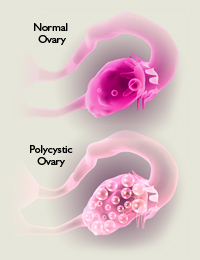
Some doctors order an ultrasound to check for the presence of ovarian cysts. Because of hormonal imbalances, women with PCOS often have difficulty finishing ovulation. This half-finished ovulation causes many small cysts all over the ovaries, giving it a characteristic "string of pearls" appearance, as in the picture at the top of this post.  One diagnostic criteria for polycystic ovaries is 12 or more cysts of 2-9 mm size (but some practices have different guidelines).

Remember, even if the ovaries do appear normal, the absence of ovarian cysts does not mean that you don’t have PCOS. Not everyone with PCOS has ovarian cysts.

Bloodwork

Multiple blood tests are usually run.  Lab work may include some or all of the following:
  • Follicle Stimulating Hormone (FSH)
  • Luteinizing Hormone (LH)
  • Total or Free testosterone
  • Other androgenic hormones like Androstenedione
  • DHEA-S (dehydroepiandrosterone sulfate)
  • Sex Hormone Binding Globulin (SHBG)
  • Cortisol (and/or other adrenal hormones)
  • Prolactin
  • TSH (Thyroid Stimulating Hormone)
  • Free T3 and free T4 levels
  • Thyroid antibody tests
  • Anti-Mullerian Hormone (AMH)
  • 17-hydroxyprogesterone (17OH-progesterone)
In addition, most doctors will order labs for standard measures of health, like cholesterol, triglycerides, blood sugar, etc. Some will do these in conjunction with PCOS bloodwork; some will wait and only do these after PCOS has been confirmed.

Some providers add liver function tests to be sure you are not experiencing Non-Alcoholic Fatty Liver Disease (NAFLD).  Others may also check levels of certain nutrients, like Vitamin D or iron, because these are often abnormal in women with PCOS.

Be aware that certain tests (like LH and FSH) need to be taken on certain days of your cycle in order to be interpreted correctly.  Unfortunately, not all doctors are aware of this, and may test on inappropriate days.  If you have been told you do not have PCOS but were tested without regard to day of your cycle, these tests should be repeated before ruling out PCOS.

Interpreting Results

Results on these tests can be confusing and it's very important that you get help interpreting them.  Remember to ask for exact results, not just whether your levels are "normal" or "abnormal," because borderline results may be meaningful in some contexts.

It's best to ask for a copy of all lab results; this is your information and you have every right to it.  That way you can take those results to another provider if needed, and you can also track your results over time.

The following are a few test results that seem common in women with PCOS, according to various resources online.  However, tests results are always subject to interpretation and our understanding of these things changes over time, so be sure to discuss your results with a healthcare professional.
  • A high testosterone level is common with PCOS but is not an absolute requirement for it. Very high levels may indicate an adrenal tumor instead
  • The DHEA-S level is often mildly elevated in PCOS, but this could also indicate an adrenal issue instead of PCOS (or in addition to it)
  • Androstenedione is often somewhat elevated
  • Sex Hormone Binding Globulin (SHBG) is usually low in PCOS, and seems to be associated with insulin resistance and/or hypothyroidism
  • A high prolactin level probably indicates hyperprolactinemia; some women with PCOS have mildly elevated prolactin levels, but very high levels are usually due to hyperprolactinemia
  • FSH levels are usually low to normal, but LH levels are often high.  A level of 2:1 or more in the LH:FSH ratio is usually considered diagnostic for PCOS
  • Lipid profiles are often abnormal; a common pattern is borderline to high LDL, low HDL, and high triglycerides
  • TSH is often borderline high but not quite high enough for diagnosis under the criteria some doctors use. However, some sources believe that any TSH over 2 or so should be treated

Blood Sugar and Insulin Testing 

Blood sugar tests are a standard part of testing because of the high rate of diabetes associated with PCOS. However, there are several ways to test this.

Some providers use fasting glucose only, but some resources feel strongly that this misses some cases of diabetes. They think PCOS women should be tested using a 2-hour Oral Glucose Tolerance Test (OGTT) instead. However, many women with PCOS have a tendency towards reactive hypoglycemia (unstable blood sugar due to strong insulin surges) and find the OGTT makes them feel quite ill. Therefore which test should be used is a judgment call.

Checking insulin levels is controversial.  Just about everyone agrees that insulin resistance is a major issue in PCOS, but how best to measure it is debated.  The gold standard test is hyperinsulinemic/euglycemic clamp testing, but this is usually too cumbersome and expensive for anything but research studies.

Some doctors test fasting insulin levels, because this is an easy lab draw.  Anything over 20 μU/mL is considered abnormal, but critics point out that the "normal" range for this is quite wide, and contend that levels much lower than 20 show insulin issues.  Some prefer to use a fasting glucose/insulin ratio instead, looking for a ratio of less than 4.5, but critics point out that this ratio has not been validated using clamp techniques.

One technique that has been validated by clamp techniques is Homeostatic Model Assessment (HOMA) testing, which takes fasting glucose and fasting insulin and divides them by a constant. However, this (like all of the fasting tests) is criticized as missing many cases of insulin resistance, because many PCOS women have relatively normal levels while fasting but abnormal insulin and glucose levels in response to food intake. Therefore, many doctors prefer to order a 2-hour post-prandial insulin test or OGTT, where your insulin response is tested after eating food or the standardized glucose liquid.

Here is what one provider wrote about testing insulin levels.  Other providers may find these criteria too liberal:
Fasting insulin is often elevated in PCOS. Some doctors don't order this test because the normal range (0-20) is so wide. However, we find that results greater than 9 indicate insulin resistance...Some doctors may also order a 2-hour post-prandial insulin test, along with a 2-hour post-prandial glucose test. For the post-prandial insulin, results over 25 or 30 may indicate insulin resistance.
On the other hand, some doctors don't test insulin levels at all, either because they believe that insulin levels are not as relevant as hormonal levels, or because they don't believe that insulin testing is that meaningful.  They may go by clinical signs of insulin resistance instead (acanthosis nigricans, skin tags, abdominal obesity, etc.).

Other Tests

As previously noted, doctors used to do a vaginal ultrasound to see if the ovaries had a "string of pearls" look, studded with cysts. Now however, many providers do not consider cystic ovaries to be a very good measure of PCOS.  Some will test for it, some will not.

Providers are becoming more aware that sleep apnea is fairly common among women with PCOS, so some have added sleep testing to the list of additional tests ordered after someone is diagnosed with PCOS.  Some research suggests that testing for sleep apnea is underutilized in women with PCOS and should be expanded, especially for those with more severe insulin resistance/glucose intolerance.

If your preliminary labs or symptoms suggest that you may have non-classical congenital adrenal hyperplasia instead of PCOS, your doctor may want to order additional labs, including an ACTH (adrenocorticotropic hormone) stimulation test.

If your providers suspect Cushing's syndrome, they may order a 24-hour urine test for free cortisol, or suggest an overnight dexamethasone suppression test.

If you are someone who has no or very few menstrual cycles (less than 6 per year), care providers may also recommend an endometrial biopsy.  Because of a hormonal imbalance, many women with PCOS do not completely slough off the endometrial lining that has built up during a cycle. Over time, this endometrial lining can build up ("endometrial hyperplasia") and cause problems.

The risk for endometrial cancer is signficantly higher in women who do not have at least six periods per year, so if you have missed a lot of periods, it's very important that you get checked periodically for this.

Changes in Diagnosis Protocols Over The Years

The protocol for diagnosing PCOS has changed over the years and remains controversial.

As noted, some doctors insist on an ultrasound of the ovaries, while others consider that outdated or unnecessary. Some demand biochemical evidence of abnormal hormone levels (i.e., abnormalities on lab tests), while others are content to rely on physical manifestations alone.  Some run elaborate blood tests to rule out a wide variety of other possible conditions, while others are willing to move to a trial of meds and/or lifestyle more quickly based on symptoms alone.  Much depends on the care provider you see.

Doctors used to look for a specific imbalance of hormones ─ specifically a ratio of luteinizing hormone (LH) to follicle-stimulating hormone (FSH) of more than 3:1. Some doctors still look for elevated LH levels (although not necessarily a 3:1 ratio anymore), while others do not test these levels at all.

Some doctors believe that insulin resistance (either through an insulin receptor defect or through post-receptor signaling) is the base cause of PCOS, while others believe that while common, not every woman with PCOS actually demonstrates insulin resistance. So while some doctors place a strong emphasis on insulin levels in PCOS, others don't.

A recent addition to testing protocols seems to be "anti-mullerian" hormone levels:
Anti Mullerian Hormone (AMH) or Mullerian Inhibiting Substance is a special protein released by cells that are involved with the growth of an egg follicle each month. AMH levels correlate with the number of antral follicles found on the ovary each month; the higher the antral follicle count, the higher the AMH levels. Because women with PCOS typically have high numbers of antral follicles, high AMH levels are often seen as well.
Apparently some doctors are considering AMH a classic marker for the disease now and want this tested; others do not routinely use it.

Obviously, diagnosing PCOS is an evolving science.  Tests that were routine 10-15 years ago are not always considered necessary now, and new tests have emerged that didn't exist previously.  This is why it's important to keep up on the latest testing protocols and the pros and cons of each test.

Conclusion 

It should be apparent that diagnosing PCOS is not an easy task.  Different protocols for testing and diagnosis exist, standards change over time, and the highly variable nature of PCOS makes diagnosis less than clear at times. A great deal is left up to the individual judgment of the care provider.

Therefore, it is not uncommon for women to hear different results from different doctors, with one saying she doesn't have PCOS, and another saying she does. Some women with PCOS go for years before they are diagnosed, even with obvious symptoms.  Subtle cases may take even longer.

Persistence is very important in trying to figure out whether or not you have PCOS.  Don't give up easily, and be prepared to see more than one care provider when trying to find answers.  Most women go through multiple care providers and tests before they are able to definitively determine that they do or don't have PCOS.

Sometimes a person's results may be "borderline normal" and that can still be significant, especially if there is a cluster of similarly "borderline" results on other tests.  As Dr. Samuel Thatcher says in PolyCystic Ovarian Syndrome: The Hidden Epidemic:
Virtually all patients with PCOS will have at least some subtle laboratory abnormalities.  The reported results may be on the upper limits of the normal range, showing only a tendency rather than a discrete abnormality.  Often a pattern will emerge only after considering a group of tests together, rather than as a result of a single test value.  
Furthermore, don't accept a care provider's pronouncement about your PCOS status without looking at your own lab results, comparing them to what is considered "normal," and researching the results online.  Because knowledge about PCOS is evolving, not all providers are "up" on the best ways to test it or changes in diagnostic protocols.  Furthermore, anti-fat bias can lead some to dismiss or explain away results that clearly merit a second look.  It's important to double-check their work.

Remember that diagnosis can be a judgment call at times, so you should plan to be actively involved in the process.  Don't be a passive recipient of care; get copies of all of your lab results, create a spread sheet to track them over time, research PCOS online from a variety of sources, ask lots of questions, and don't be afraid to switch care providers if you don't feel your questions and concerns are being addressed adequately.

Don't forget that there is a spectrum of PCOS severity. Even if you do not officially "qualify" as having PCOS, it may still be something you should learn about because some cases are too "mild" for official diagnosis but may still benefit from treatment or careful monitoring of health indices.

Finally, if you don't have PCOS, don't be afraid to push for further testing to explain your symptoms.  PCOS is not the only thing that can be wrong in people of size, and treatment for rarer conditions like Cushing's Syndrome or adrenal tumors can make a tremendous difference in your health. Explore all the possibilities.

Diagnosing PCOS is not an exact science, but finding answers can be critical for your long-term health status.


References

Finding Size-Friendly Care Providers
General Resources for PCOS Support
General Information about PCOS
Book Resources
  • PolyCystic Ovarian Syndrome: The Hidden Epidemic - Samuel S. Thatcher MD, PhD
  • Androgen Disorders in Women: The Most Neglected Hormone Problem - Theresa Cheung
  • Taking Charge of Your Fertility - Toni Weschler; www.tcoyf.com 
Information about PCOS Testing and Diagnosis
Interpreting Lab Results - What is Normal?
Specific PCOS Diagnosis Studies


Reprod Biomed Online. 2004 Jun;8(6):644-8. PCOS: a diagnostic challenge. Azziz R. PMID: 15169578
"Useful research and diagnostic criteria for PCOS arose from a conference in 1990, whereby PCOS could be defined by: (i) clinical and/or biochemical hyperandrogenism, (ii) chronic anovulation, and (iii) exclusion of related disorders. The presence of "polycystic ovaries" was not included in this definition, which created significant concern since many women with PCOS have polycystic ovaries on ultrasound, and conversely women with this ovarian morphology have a higher prevalence of androgen excess and insulin resistance. More recently, at an expert meeting in 2003 in Rotterdam, it was recommended that PCOS be defined when at least two of the following three features were present, after exclusion of other aetiologies: (i) oligo- or anovulation, (ii) clinical and/or biochemical hyperandrogenism, or (iii) polycystic ovaries. These newer criteria effectively create additional phenotypes of PCOS (e.g. women with hyperandrogenism and polycystic ovaries but normal ovulatory function, and women with ovulatory dysfunction and polycystic ovaries but no clinical or biochemical evidence of hyperandrogenism). It remains to be demonstrated whether these phenotypes actually represent patients with PCOS. Nonetheless, the trend towards the use of uniform diagnostic criteria in studies of PCOS will increase the comparability and potentially the value of published research."
Fertil Steril. 2009 Feb;91(2):456-88. Epub 2008 Oct 23. The Androgen Excess and PCOS Society criteria for the polycystic ovary syndrome: the complete task force report. Azziz R, Carmina E, Dewailly D, Diamanti-Kandarakis E, Escobar-Morreale HF, Futterweit W, Janssen OE, Legro RS, Norman RJ, Taylor AE, Witchel SF; Task Force on the Phenotype of the Polycystic Ovary Syndrome of The Androgen Excess and PCOS Society.   PMID: 18950759
"Based on the available data, it is the view of the AE-PCOS Society Task Force that PCOS should be defined by the presence of hyperandrogenism (clinical and/or biochemical), ovarian dysfunction (oligo-anovulation and/or polycystic ovaries), and the exclusion of related disorders. However, a minority considered the possibility that there may be forms of PCOS without overt evidence of hyperandrogenism, but recognized that more data are required before validating this supposition. Finally, the Task Force recognized and fully expects that the definition of this syndrome will evolve over time to incorporate new research findings."
Can Fam Physician. 2007 Jun;53(6):1042-7, 1041. Polycystic ovary syndrome: validated questionnaire for use in diagnosis. Pedersen SD, Brar S, Faris P, Corenblum B.  PMID: 17872783  Free full text at: http://www.ncbi.nlm.nih.gov/pmc/articles/PMC1949220/?tool=pmcentrez
"Development of a questionnaire to help diagnose PCOS. "A history of infrequent menses, hirsutism, obesity, and acne were strongly predictive of a diagnosis of PCOS, whereas a history of failed pregnancy attempts was not useful. A history of nipple discharge outside of pregnancy strongly predicted no diagnosis of PCOS. We constructed a 4-item questionnaire for use in diagnosis of PCOS; the questionnaire yielded a sensitivity of 85% and a specificity of 85% on multivariate logistic regression and a sensitivity of 77% and a specificity of 94% using the 4-item questionnaire."
Hum Reprod.  2004 Jan;19(1):41-7. Revised 2003 consensus on diagnostic criteria and long-term health risks related to polycystic ovary syndrome (PCOS). Rotterdam ESHRE/ASRM-Sponsored PCOS consensus workshop group.  PMID: 14688154
"Since the 1990 NIH-sponsored conference on polycystic ovary syndrome (PCOS), it has become appreciated that the syndrome encompasses a broader spectrum of signs and symptoms of ovarian dysfunction than those defined by the original diagnostic criteria. The 2003 Rotterdam consensus workshop concluded that PCOS is a syndrome of ovarian dysfunction along with the cardinal features hyperandrogenism and polycystic ovary (PCO) morphology. PCOS remains a syndrome and, as such, no single diagnostic criterion (such as hyperandrogenism or PCO) is sufficient for clinical diagnosis. Its clinical manifestations may include: menstrual irregularities, signs of androgen excess, and obesity. Insulin resistance and elevated serum LH levels are also common features in PCOS. PCOS is associated with an increased risk of type 2 diabetes and cardiovascular events."
Clin Endocrinol (Oxf). 2005 Mar;62(3):289-95. Polycystic ovarian syndrome: marked differences between endocrinologists and gynaecologistsin diagnosis and management. Cussons AJ et al.  PMID: 15730409
"...A mailed questionnaire containing a hypothetical patient's case history with varying presentations--oligomenorrhoea, hirsutism, infertility and obesity--was sent to Australian clinical endocrinologists and gynaecologists in teaching hospitals and private practice...Endocrinologists regarded androgenization (81%) and menstrual irregularity (70%) as essential diagnostic criteria, whereas gynaecologists required polycystic ovaries (61%), androgenization (59%), menstrual irregularity (47%) and an elevated LH/FSH ratio (47%) (all P-values less than 0.001). In investigation, gynaecologists were more likely to request ovarian ultrasound (91%vs. 44%, P less than 0.001) and endocrinologists more likely to measure adrenal androgens (80% vs. 58%, P  less than 0.001) and lipids (67%vs. 34%, P less than 0.001). Gynaecologists were less likely to assess glucose homeostasis but more likely to use a glucose tolerance test to do so. Diet and exercise were chosen by most respondents as first-line treatment for all presentations. However, endocrinologists were more likely to use insulin sensitizers, particularly metformin, for these indications. In particular, for infertility, endocrinologists favoured metformin treatment whereas gynaecologists recommended clomiphene. CONCLUSIONS: There is a lack of consensus between endocrinologists and gynaecologists in the definition, diagnosis and treatment of PCOS. As a consequence, women may receive a different diagnosis or treatment depending on the type of specialist consulted.
Clin Endocrinol (Oxf). 2008 Jul;69(1):52-60. The evaluation of metabolic parameters and insulin sensitivity for a more robust diagnosis of thepolycystic ovary syndrome. Amato MC, et al.  PMID: 18034780
PCOS diagnostic criteria [National Institute of Health (NIH), Rotterdam Consensus (ROT), Androgen Excess Society (AES)] are unanimous recognized. We aimed to assess in women with suspected PCOS whether the application of the three diagnostic criteria differently characterizes the metabolic profile and insulin sensitivity. Two hundred and four women with suspected PCOS in comparison to a group of normal, age-matched Sicilian women (N = 34) without signs of metabolic syndrome...The prevalence of PCOS was 51% according to NIH, 83% to ROT and 70.6% to AES, and only 100 patients were qualified simultaneously under these three criteria.

Thursday, September 29, 2011

PCOS: How Does PCOS Affect Women?

Poster by Amanda Kohn, www.implementingdesignism.org
We've just started a new series on Polycystic Ovarian Syndrome (PCOS) in honor of September, PCOS Awareness Month. 

In the first entry, we discussed its definition and symptoms, and why PCOS is somewhat controversial in fat-acceptance circles. 

In this post, we're going to describe how PCOS affects women, how if often develops and presents, and how it can affect women down the line as they age. 

In later posts, we will discuss testing and diagnostic issues, its effects on fertility, pregnancy and breastfeeding, and give more details on how it affects menopause and aging. 

Readers should know that we'll be doing this mostly from a size-acceptance point of view, rather than the usual "you have to diet" point of view present in most PCOS websites.  Weight loss will be discussed as only one possible treatment ─ with an honest look at the potential benefits and drawbacks of weight loss as treatment ─ but other alternatives will be emphasized.

What Does PCOS Look Like?

As one article puts it, "Polycystic ovarian syndrome is a clinically, histologically, and biochemically heterogeneous condition."  Translation: PCOS presents in each woman a little bit differently.

The Classic Presentation

The classic case is a woman who:
  • is quite heavy
  • has very irregular or totally absent periods
  • has facial hair growth on her upper lip and/or chin (and often elsewhere)
  • has dark patches of skin in various places on her body
  • has skin issues, with cystic acne well into adulthood
  • struggles with infertility issues
  • has trouble getting or staying pregnant
  • probably gained a lot of unexplained weight at some point
  • has struggled with her weight ever since, often yo-yoing up and down chronically
  • has slightly enlarged ovaries with many cysts on them
  • has health issues such as glucose intolerance/diabetes, high cholesterol, and blood pressure concerns
Women like these are fairly easy to diagnose with PCOS because their symptoms are so clear.  The main markers looked for in PCOS (irregular periods, physical signs of too many androgens, and cystic ovaries) are obviously present. 

Sadly, however, even women with obvious cases of PCOS often go undiagnosed. It's very common for these women to see many doctors for their symptoms before someone realizes what is going on.  Too often, her weight is blamed as the source of her symptoms and all other possibilities are ignored.  Sometimes, the woman figures out her PCOS status on her own from the internet or a friend, and only then can she get the testing she needs.

Although Stein and Leventhal first "discovered" this condition in 1935, it has taken a long time for doctors to really take it seriously.  It is only in the last 10-20 years or so that awareness of it has really taken off.  Even so, many providers still just want to blame the woman for being fat and not look deeper for other possible mechanisms.  They view fatness as the cause, and refuse to believe fatness could merely be a symptom of a deeper problem instead.

Variations in Presentation

Of course, not every case of PCOS follows this classic profile.  If it's hard for women with very obvious symptoms of PCOS to get diagnosed, imagine how hard it is for someone whose case is more subtle!

For example, not all women with PCOS are fat. Some women with PCOS are average-sized ─ but still have very strong issues with insulin resistance and fertility (like actress Emma Thompson). It is unknown why some women with PCOS have weight issues and others do not. It's probably not due to differences in eating patterns but rather to some unknown metabolic difference.  Whatever the reason, it can be hard for the skinny woman with PCOS to get diagnosed.

But generally speaking, a lot of women with PCOS have very significant weight issues. The usual statistic quoted is that 50-60% of women with PCOS are "obese" ─ but because many doctors underdiagnose the condition in fat women, it's possible the percentage may actually be higher.

Hirsutism is extremely common in women with PCOS (some sites estimate it is present in 70-80%), but not every woman experiences it.  Some have only a little body hair and no facial hair, yet because doctors really look for facial hair as a sign of androgen excess, women without this classic sign are sometimes told they don't have PCOS, despite other pertinent symptoms.

Thinning scalp hair is much less common than hirsutism as a symptom, but is often overlooked as a potential sign of androgen excess.  And because many women find ways to cover this up or are too embarrassed to mention it to their doctors, it is underused as a symptom for diagnosis.

Fertility is another symptom that can vary.  Many women with PCOS have significant fertility issues, yet not all do. For some, it's closely tied to co-morbidities like hypothyroidism; if they treat that, fertility is less of an issue.  Sometimes, fertility for PCOS women is okay in younger years but declines over time, so some only develop infertility later on as the condition progresses.

Although some doctors consider fertility issues central to the diagnosis of PCOS, some women show clear skin and metabolic symptoms of PCOS yet never have problems conceiving or maintaining a pregnancy. Still, they may benefit greatly from treatment of the metabolic issues of PCOS, so many providers have begun to expand their definition of PCOS beyond  its past focus on infertility.

Clearly, the heterogeneous nature of PCOS means that there are many gray areas in diagnosis.

How Does PCOS Develop?

PCOS tends to run in families, and can come from either side of the family (mother or father). If lots of women in your family struggle with their weight, have irregular periods, diabetes, hypertension, and other common consequences of PCOS, the chances that you might have PCOS are higher.  Or if the males in your family have lots of premature balding and metabolic syndrome, this may also indicate a familial predisposition towards PCOS.  However, it takes a combination of genetic and environmental factors for PCOS to manifest itself, so not every family member is always affected.  Family history is a clue, not an automatic indication.

Often PCOS first presents a few years after periods begin (although some with very severe cases may show symptoms like acanthosis nigricans and significant fatness even well before puberty). Typically, menstruation begins normally, but within a few years, periods begin to skip here and there. Eventually, menstrual issues worsen; some develop long cycles (more than 35 days), some develop erratic cycles, some skip whole sets of periods, while the most severe cases stop cycling completely.

At some point most women with PCOS develop secondary skin-related symptoms like hirsutism, thinning hair, or significant acne (especially boil-like sebaceous cysts under the skin).  These can be quite distressing socially, so this is often when these women begin to seek medical answers, often without success.

It's not unusual for many woman with PCOS to experience a significant, unexplainable weight gain ─ with no change in habits ─ in her late teens or twenties (and sometimes later too); this is often despite similar caloric intakes as women without PCOS.  As one website notes:
Approximately 60% of women with PCOS have weight management issues which can lead to obesity with only normal caloric intake. Energy in the form of glucose (food) is stored right away as fat, instead of being made available for other functions within the body. This can lead to chronic fatigue and undernourishment, despite the fact that there is adequate food intake and even an appearance of overnourishment. 
Those with the most severe cases of PCOS may become supersized because of a vicious cycle of insulin resistance and yo-yo dieting. High levels of insulin in the blood lead to weight gain, so women diet to lose weight, only to regain to an even higher weight as the body's metabolism reasserts itself. Concurrent hypothyroidism can greatly exacerbate this gain. Some women develop eating disorders (compulsive overeating or binge eating disorder) as a result of years of dieting, and many experience very strong carb cravings due to hyperinsulinemia. Thus it can be difficult to untie the influence of insulin issues, yo-yo dieting, eating issues, and disease co-morbidities on weight, but there is often a synergistic effect of all of them together.

In some women, PCOS symptoms accelerate and worsen with time. Those with the most severe cases usually have great difficulty conceiving, often develop diabetes and/or high blood pressure in their twenties or thirties, struggle with sleep apnea and other complications, and become "super obese" at some point from a combination of factors. Co-morbidities like sleep apnea are common, and as a result, many get so desperate they resort to bariatric surgery to try and mitigate their symptoms, regain some mobility, or have a chance at pregnancy.

In other women, the symptoms stay relatively mild throughout their life or progress much more slowly. Often, normal blood sugar and blood pressure are maintained for years, and the only signs of metabolic derangement are subtle differences in labs; a tendency towards weight gain, reactive hypoglycemia and/or gestational diabetes; and skin symptoms (like sebaceous cysts, acne, or thinning hair).  However, the symptoms often worsen significantly around or just after menopause, and many are diagnosed with issues like hypertension or diabetes at this time. 

A lot depends on the woman's pancreatic beta-cell function. If the pancreas is capable of producing enough insulin to compensate for the insulin resistance in the body, blood sugar remains in the normal range. In those whose beta cell function is compromised, the body is not able to produce enough insulin to overcome the insulin resistance and diabetes develops early.

Some women think that as long as their blood sugar and blood pressure is fine and they don't want children, PCOS is not a big worry.  However, just because blood sugar is normal doesn't mean the body is okay; it still has to deal with the side effects of too much insulin and too many androgens in the body.  And over the years, this can take a toll, even on those with milder cases.

How Does PCOS Affect Long-Term Health?

As women with PCOS age, the metabolic consequences of years of hyperinsulinemia and excess androgens begin to accrue.

Although you might expect that PCOS symptoms would disappear after the ovaries shut down at menopause, many find that some symptoms actually worsen after menopause instead.

Hirsutism on the face may get even worse, and the hair may thin even more than before. Acne doesn't go away, and problems like sleep apnea may worsen.

Chronic overproduction of insulin also tends to lead to hypertension over time, and it exhausts the pancreas. Therefore even those who had relatively good pancreatic beta cell function and normal blood sugar and blood pressure for years tend to develop diabetes and hypertension as they age.

This means that PCOS has life-long health implications.  The tendency towards blood sugar, insulin resistance, blood pressure issues and perhaps an increased rate of clotting means that vascular disease often develops.  Many women with PCOS develop heart disease, and may also have a tendency towards stroke.

High levels of androgens may also be connected to the development of non-alcoholic fatty liver disease (NAFLD).  One study found more than three times the risk for NAFLD in women with PCOS, even after controlling for BMI and other factors. Higher androgen levels are thought to be the culprit but this still remains speculative.

Cancer is another potential risk.  If the woman does not cycle regularly, the uterine lining can build up and endometrial hyperplasia (overgrowth) can develop.  Unchecked, this can lead to a higher chance of endometrial cancer.  PCOS is clearly associated with a higher risk for endometrial cancer.

Is PCOS connected to the development of other cancers?  Some research ties PCOS to a higher rate of ovarian cancer, but research on this is contradictory and unclear. In addition, insulin resistance and hyperinsulinemia may be tied to a stronger risk for colo-rectal cancer. Many researchers speculate that the relatively high rate of unopposed estrogen in PCOS may increase the risk for postmenopausal breast cancer too, although nothing has really been proven at this point.

The connection between PCOS and these different cancers is still being untangled and answers are far from definitive, but clearly there is an increased risk for endometrial cancer at the very least.

Psychological Effects of PCOS

Psychologically, PCOS is a brutal condition.

In its most severe form, a woman is stripped of nearly everything that society sees as womanly, a "theft of womanhood," as some sources call it. She probably is very fat, balding, has a mustache or other facial hair, has acne and body tags, doesn't cycle regularly, and has difficulty having children.  She is seen as sexually unattractive, epitomizes the image of the "ugly" woman in our society, and is the object of many jokes and much derision in the media.  Is it any wonder some women find this condition incredibly demoralizing?

Adding into this is the lack of understanding around PCOS as a condition.  Even when you have an official diagnosis, some friends and family consider it a dubious finding.  In their view, you're just looking for an excuse for being fat, crying about how your "bad metabolism" causes your obesity, instead of taking responsibility for your supposedly poor eating. They roll their eyes or accuse you of closet binge-eating instead.

Doctors often don't believe you if you tell them you eat normally either, thinking you must be in denial about your eating, or that you are too uneducated about "proper" nutrition to really understand how to eat healthy.  Furthermore, the shopping cart and food intake of a woman with PCOS are under continuous scrutiny and criticism, adding constant stress to daily life.  The "obese" woman with PCOS always feels on the defensive about her food or exercise habits.

This disbelief about their experiences and the burden of constant surveillance often takes a considerable toll on PCOS women's self-esteem. And for those who truly do struggle with eating disorders after years of dieting, the shame around dealing with that on top of PCOS can be overwhelming.

Some resources list depression and/or anxiety as one of the possible side-effects of PCOS.  It's not clear whether the tendency towards this has a physiological basis, is merely a by-product of mistreatment by society, or is a combination of both. Since many women with PCOS tend to have borderline hypothyroidism (and depression can be a symptom of hypothyroidism), there may be a good argument for a physiological basis.  On the other hand, the harassment that women with PCOS receive in society could cause anyone to feel anxious or depressed. Or there may be a synergistic effect between the two.

Either way, there is no doubt that it is very difficult to be a woman with PCOS in our society. Yet the situation is not without hope.  Many women with PCOS are able to develop a sense of peace with their body, an inner strength to help overcome the biases superimposed by society.  Women with PCOS can be strong and assertive and body-positive; it isn't easy with negative messages all around, but it is possible..

Conclusions

Clearly, PCOS is a difficult condition that deserves to be taken more seriously. 

Knowledge about PCOS is evolving, but not all care providers are familiar with this condition. Some don't believe it really exists, some believe it's far more about being fat than about metabolic abnormalities, some apply too-stringent diagnostic criteria, while others diagnose it without ruling out other possibilities first. Therefore it can be very difficult to get an accurate diagnosis.

Unfortunately, there's no one "official" test you can take that will tell you that you do or don't have PCOS. Often diagnosis is less than clear-cut because of co-morbidities and the variability of symptoms.

So even if you've been told that you don't have PCOS, you might simply be at a less severe level on the PCOS spectrum ─ not severe enough for diagnosis, but not clearly "normal" either. Or you might have a phenotype that your doctor did not recognize.  Or you might have something that looks like PCOS but is actually caused by another condition.  Or you might not have PCOS at all.

Sometimes the answers are elusive and what you are told will vary from provider to provider.  This is why it's important to keep asking questions, keep searching for a really good provider, always get copies of your labs and tests, and keep a file of them over the years.  It's not uncommon for it to take multiple visits for this condition to get recognized, for testing to be done (or interpreted) incorrectly, or for an optimal treatment plan to be developed.  Persistence and good record-keeping is very important.

In the past, some doctors viewed PCOS as a concern only if you wanted to get pregnant, but research indicates it has significant life-long health implications, including higher rates of diabetes, hypertension, heart disease, and some types of cancer later in life. 

Because of its implications for long-term health, PCOS deserves to be taken seriously, regardless of the patient's age or whether or not they want children. It needs to be seen as a life-long condition, not just a concern tied to pregnancy.

In the next entry in this series on PCOS, we will talk more about the testing and diagnosis of PCOS. Stay tuned for further entries about PCOS in the future as well.


References

*Trigger Warning: Not all resources/studies listed here are size-friendly but are listed because they may have some other valuable information or resources.  Approach with caution.

General Information and Support for Women with PCOS

www.pcosupport.org
www.soulcysters.com

Genetics and PCOS
PCOS and Dietary Intake

Int J Obes Relat Metab Disord. 2004 Aug;28(8):1026-32. Dietary intake, physical activity, and obesity in women with polycystic ovary syndrome. Wright CE, Zborowski JV, Talbott EO, McHugh-Pemu K, Youk A.  PMID: 15159768
"Although women with PCOS had a higher BMI than control women, an overall comparison of women with and without PCOS showed no significant difference in dietary intake. However, stratification by BMI revealed that lean women with PCOS reported significantly lower energy intake than lean women without PCOS.  CONCLUSION: Differences in dietary intake and physical activity alone are not sufficient to explain differences in weight between women with and without PCOS."
Gynecol Endocrinol. 2011 May 24. Diet composition and physical activity in overweight and obese premenopausal women with or without polycystic ovary syndrome. Alvarez-Blasco F, et al.  PMID: 21609197
"We aimed to find differences in diet and life-style that might contribute to the development of PCOS among overweight or obese premenopausal women. We compared diet composition and self-reported physical activity among 22 patients with PCOS and 59 women without androgen excess recruited from a total of 113 consecutive premenopausal women reporting for management of weight excess. After correcting for a difference in age between women with PCOS and controls, there were no overall statistical significant differences between them in the total caloric intake, in the intake of macro- and micro-nutrients, caffeine, fiber and alcohol, in the proportion of women exercising regularly, or in the number of hours of exercise per week. The proportion of fat in the diets of the overweight and obese women irrespective of PCOS was well-above current recommendations, yet this excessive fat intake occurred at the expense of monounsaturated fatty acids mostly. In conclusion, diet composition and physical activity were apparently not decisive for the development of PCOS among overweight and obese premenopausal women."
PCOS and Psychological Effects


PCOS and Long-Term Health Risks

Tuesday, September 20, 2011

PCOS: A Condition Every Person of Size Should Know About

Today, we start a new periodic series about PCOS (PolyCystic Ovarian Syndrome) in honor of PCOS Awareness Month.

This is an extremely important topic to understand when discussing pregnancy, birth, and breastfeeding in women of size ─ or even just general health in women of size ─ yet it's surprising how many "obese" people (and even medical professionals) are still under-informed about it. 

PCOS can be a bit of a controversial topic in Fat-Acceptance communities because weight-loss regimens are so closely associated with it.  PCOS support groups teem with women desperately trying to lose weight, and informational sites about PCOS almost always push weight loss.  It can be very difficult to get information about PCOS without being bombarded with a weight loss agenda, yet many women in the FA community are desperately in need of weight-neutral information and support for PCOS.

Another problem is that PCOS can be very difficult to diagnose.  As a result, many fat women with PCOS are erroneously told they don't have it, despite symptoms suggestive of it, while others are spuriously told they do have it, simply because they are fat.  Often, PCOS exists with significant co-morbidities (like hypothyroidism, adrenal issues, and other hormonal imbalances) that muddy the diagnostic waters even further. 

As a result, some in the fat-acceptance world dismiss the concept of PCOS entirely, or simply throw up their hands and give up trying to figure it all out.  And honestly, figuring out PCOS can be incredibly complex, even for those well-read in the subject. 

Yet many women of size are affected by PCOS, whether they know it or not.  And it doesn't just impact fertility and pregnancy; PCOS has life-long health implications.

It doesn't matter whether you intend to have children or not, or whether you are even of childbearing age; PCOS is still relevant to every fat person because of its other health implications. Truly, this a condition every person of size should know about.

For those who don't know that much about PCOS, this series will be a primer about it. First we'll start with a description of it and its most common symtpoms. Next, we'll segue to a quick discussion of how it typically presents, and then to its testing and diagnosis. Eventually, we'll consider possible causes and controversies; its impact on fertility, pregnancy, and birth; its impact on breastfeeding; treatment options; and implications for menopause and long-term health.

For the sake of readability, we'll break this series up into a number of different posts; some may be periodic instead of continuous due to time constraints. 

Hopefully, the series will serve as an introduction to basics about PCOS, a gateway to other information sources on the topic, and a weight-neutral "safe" space to discuss PCOS concerns in a weight-centric PCOS world. 

What is PCOS?

First, a definition.  From Wikipedia's entry on PCOS:
Polycystic Ovary Syndrome (PCOS) is one of the most common female endocrine disorders affecting approximately 5%-10% of women of reproductive age (12–45 years old) and is thought to be one of the leading causes of female infertility.
The principal features are obesity, anovulation (resulting in irregular menstruation) or amenorrhea, acne, and excessive amounts or effects of androgenic (masculinizing) hormones. The symptoms and severity of the syndrome vary greatly among women. While the causes are unknown, insulin resistance, diabetes, and obesity are all strongly correlated with PCOS
According to one study, "PCOS can be viewed as a heterogeneous androgen excess disorder with varying degrees of gonadotropic and metabolic abnormalities."  Translated: PCOS is a disorder that presents differently in different people (heterogeneous), usually presents with abnormally high levels of "male" hormones (androgens), resulting in problems that impact the reproductive system and metabolism (gonadotropic and metabolic abnormalities).

PCOS was first identified in 1935 by doctors Stein and Leventhal, so for a while it was referred to as "Stein-Leventhal Syndrome." It later became known as "Polycystic Ovarian Syndrome" because many women with this syndrome had multiple cysts on the ovaries.  This occurs in PCOS when egg follicles form and start to mature, but hormonal imbalances keep the follicles from fully developing and releasing.  These incompletely developed follicles (cysts) on the ovaries have a characteristic "string of pearls" appearance, and the prevalence of these cysts gave the syndrome its name.

However, the name "PCOS" makes it sound like the problem begins in the ovaries, when instead it results from a complex endocrine disorder, affecting many systems of the body.  The accumulation of multiple cysts on the ovaries is merely one of the many possible side effects of the condition, yet the name has stubbornly stuck because it is catchy and easy to remember.

So although the moniker of Polycystic Ovarian Syndrome is a less-than-ideal description of the condition, it remains the name most commonly used for it and that will probably never change.

Symptoms of PCOS

Symptom lists for PCOS vary quite a bit from source to source.  Some only list a few symptoms, while others list everything but the kitchen sink. 

The following seem to be the most common symptoms associated with PCOS, but be aware that the validity of some are debated:
  • Menstrual Cycle Difficulties
    • irregular/long, or completely absent menstrual cycles (oligomenorrhea or amenorrhea)
    • periods that can be abnormal when they do occur (excessively heavy or just spotting)
  • High androgen ("male hormone") levels, like testosterone
    • excessive facial and/or body hair (hirsutism)
    • cystic acne and/or a tendency to boil-like sores (sebaceous cysts) under the skin
    • male-pattern balding on the head (alopecia androgenetica)
  • Cystic ovaries in some women (but not all)
    • difficulty ovulating, which causes the irregular or long menstrual cycles
    • total absence of ovulation in some, intermittent ovulation or "weak" ovulation in others
  • Problems with Insulin Resistance
    • strong insulin resistance (difficulty utilizing the insulin present)
    • high insulin levels to compensate for the insulin resistance (hyperinsulinemia)
    • obesity and/or history of unexplained significant weight gain
    • great difficulty losing weight and keeping it off
    • dark velvety patches of skin on the armpits, neck, or groin (acanthosis nigricans )
    • body tags/little flaps of excess skin on the body (acrochordons)
  • Hormonal Disturbances and Fertility Issues
    • low progesterone levels and estrogen dominance
    • difficulty achieving pregnancy because of hormone imbalances
    • higher rate of miscarriage early in pregnancy
  • Metabolic abnormalities
    • higher rates of glucose intolerance and diabetes, often at early ages
    • high "bad" cholesterol (LDL), and low "good" cholesterol (HDL)
    • high triglycerides
  • Long-Term Health Issues
    • a tendency towards high blood pressure at some point
    • higher rates of heart disease later in life
    • higher rates of endometrial cancer later in life, possibly other cancers too
    • possibly a tendency towards depression and/or anxiety
This is not an exclusive list of symptoms; there may be others as well, including a tendency towards Irritable Bowel Syndrome (IBS) and/or gluten intolerance, Chronic Fatigue Syndrome, Sleep Apnea, Fibromyalgia, or auto-immune diseases like Hashimoto's Thyroiditis.  However, because PCOS is often accompanied by co-morbidities (other conditions), it is not always easy to distinguish what is a symptom of PCOS itself versus a symptom of a co-morbidity, and the validity of these other conditions as tied to PCOS has been questioned.

PCOS is a Syndrome

It's very important to remember that PCOS is a syndrome, which means that not every symptom must be present in order to diagnose the condition.

The two symptoms considered most important to this condition include evidence of menstrual difficulties (past or present), and symptoms of androgen excess (like hirsutism, thinning hair, or cystic acne).

These are often accompanied by signs of insulin resistance (like acanthosis nigricans, body tags, or metabolic abnormalities like high blood sugar or high cholesterol). 

Cystic ovaries used to be considered central to the diagnosis of PCOS, but are now considered less definitive, as some women with cystic ovaries do not have other symptoms of PCOS, and some women with strong symptoms of androgen excess do not present with cystic ovaries.  Therefore, the importance of cystic ovaries is debated, but is still used at times.

Remember also that PCOS symptoms cross a wide spectrum of type and severity.  This is why its diagnosis is so difficult at times.

Menstrual issues are very common in PCOS but vary in scope.  Some women skip only an occasional period, while others skip constantly (or have few or no periods). Some instead have long cycles (more than 35 days); some have excessively heavy periods, or may have spotting in the middle of a cycle.

Some women have great difficulty getting pregnant, some have difficulty staying pregnant, while still others do not have trouble with either fertility or miscarriage.  Some providers consider anovulation and fertility issues absolutely central to the diagnosis of PCOS (and will not diagnose it without these), while other providers have a more flexible definition.

The majority of women with PCOS have issues with hirsutism (extra facial or body hair), but not all do.  Some have lots of skin issues (including cystic acne, sebaceous cysts/boils, and/or hair loss), some don't.  Many women with PCOS tend to be heavy, but not all are.

So as you can see, PCOS is not a clear-cut, black-and-white condition, and its presentation varies a lot. 

Generally speaking, the more symptoms you have, the more severe the PCOS ─ but not always. And women without a lot of symptoms may still have PCOS.

Many symptomatic women are never diagnosed because they don't have enough symptoms or the right symptoms to meet official diagnostic criteria.  Many have difficulty getting diagnosed because of the relative lack of understanding about PCOS in the medical community, or the tendency to blame every problem of fat women on obesity alone.  As a result, PCOS is often underdiagnosed.

On the other hand, sometimes care providers use PCOS as a catch-all diagnosis for every problem a fat woman experiences, without bothering to investigate other possible causes. So PCOS has the unenviable distinction of being both underdiagnosed and overdiagnosed. 

In women with a lot of symptoms, the diagnosis is pretty clear, but in women without severe, classic symptoms, the diagnosis can be much harder to make.  This is part of what makes this condition so difficult.

Below you can find a few links to further resources about PCOS; feel free to share more in the comments section. Next time, we'll discuss how PCOS often presents in women and what it means to them. Then we'll talk about its testing, diagnosis and controversies. Later, we'll cover how it affects pregnancy, breastfeeding, menopause, and long-term health.
(Note: Some women with PCOS are very well-read about the condition. Feel free to add in clarifications, further resources, links, and other thoughts about PCOS in the comments section. I encourage everyone to do their own research about PCOS, but remember that information about PCOS can vary greatly from source to source, and not all experts agree on its cause, presentation, or best treatment.)

Friday, September 16, 2011

More on Unexplained Weight Gain

Thank you to everyone who replied to my question about your experiences with unexplained weight gain....i.e. weight gain that can't be tied to specific outside causes like a side effect of meds or birth control, etc. 

I personally experienced a major unexplained gain like this, and I was curious to see how many others had also experienced it.  Thank you for sharing your stories both in comments and in private emails; it's reassuring to know that many others have experienced it too.

Honestly, I thought our stories would all be very much alike, and for the most part there are common threads running through many of them. But while there were some similarities, there were also differences at times.  So my speculation is that while most stories are related to a couple of common paths, there can also be other paths to major weight gain, paths we have yet to discover. 

But first, let's talk about the most common paths.

Possible Causes of Unexplained Weight Gain

The most common causes of unexplained weight gain seem to be two-fold:

  • Hypothyroidism (overt or borderline)
  • Polycystic Ovarian Syndrome (PCOS). 

(Since I'm about to start a new series about PCOS, I was particularly interested to hear about weight gains associated with that one.)

These two causes seemed to be echoed in the stories sent in.  Most gains in the stories were later discovered to be associated with hypothyroidism or PCOS.  Many of the stories showed how hard it can be to get major gains diagnosed and taken seriously.

But it's not always clear what causes a major weight gain; it's not always due to PCOS and/or hypothyroidism. Best guess is that there is a complex interplay of hormones and metabolic issues, many of which we probably haven't discovered yet. The stories people shared made it clear that sometimes there seems to be something else going on too, something we can't put our finger on. 
My top suspects for unexplained weight gain include adrenal issues, insulin-related issues, and perhaps pituitary issues (since that's the "master gland" that controls everything else). But who knows?   The only thing that is clear is that we have much more to learn about the issue.

According to online sources, other possibilities for unexplained weight gain include:

  • Cushing's Syndrome (body produces too much cortisol, which tends to cause weight gain)
  • Adrenal or Ovarian Tumors (disturb hormone production, which can cause weight gain)
  • Food Allergies/Sensitivities (some people experience weight gain with food sensitivities)
  • Lack of Sleep/Sleep Apena (can cause biochemical changes which impact weight)
  • Stress (chronic stress increases cortisol production, which tends to cause weight gain)
  • Blood Sugar Issues (reactive hypoglycemia, unstable blood sugar, and too much insulin)
It's also worth noting that many medications do result in unexplained weight gain, including some forms of birth control, corticosteroids, antidepressants, anti-seizure meds, heartburn meds, migraine meds, blood pressure meds, and certain diabetes meds.  And of course, fluid retention due to edema, kidney issues, or congestive heart failure can be serious source of very sudden gains. 

But what we are most concerned about here is unexplained weight gain ─ weight gain not clearly related to outside causes like medications, quitting smoking, weight gain left after pregnancy, obvious disease, or poor eating. 

My Story

For me personally, my unexplained gain was probably due to a combination of both hypothyroidism and PCOS at once.  Although always considered "overweight" by the charts, I was never that heavy as a child or young teen ─ I was more of an "in-betweenie." But that changed a few years after puberty.

My large weight gain started in my mid-to-late teens, just after my PCOS symptoms began appearing, and worsened as my PCOS symptoms worsened.  By my early 20s, I had gained a total of about 100 lbs. or so, despite everything I did to try to reverse it.  That's one heck of a weight gain, and that was despite working extremely hard to try and reverse it.

Yet I couldn't get a doctor to take any possible metabolic causes seriously. When I pushed for testing to see what was going on, I was told I was "looking for an excuse for being fat."  Although I eventually got tested and we found "borderline" thyroid levels, no doctors were willing to treat that, despite my overwhelming symptoms of hypothyroidism. And not one doctor ever mentioned the possibility of PCOS to me. 

However, they were all happy to give me diet advice, telling me to do things I was already doing.  When I would try to tell them that, they wouldn't believe me.  So I quit going to doctors to try and figure it out.

Eventually, the weight gain slowed and stopped, then went into a pattern of fluctuating. In time, I finally found a doctor willing to do a trial of thyroid meds, based on my symptoms and my "borderline" labs.  Oh, I felt soooo much better!  After that, my weight was so much more stable. And treating the hypothyroidism seemed to lessen many of my PCOS symptoms.  Truly, it was a "win win" situation for me, even though it didn't make me skinny.

Of course, TSH diagnostic levels are controversial; different providers use different scales to diagnose with, and many care providers do not believe in treating "borderline" levels.  However, I'm a total believer in treating borderline numbers in symptomatic patients now.  In my opinion, too many people have been helped by it to ignore this possibility.  [Always ask for your exact results and the scale they used to diagnose you, and then research the controversy over diagnostic ranges; don't just accept the care provider's word about your thyroid levels being "normal."]

But that's my story.  It has many things in common with other people's stories, including the difficulty in getting care providers to consider such gains as anything other than sloth and gluttony.  But of course, not every story is exactly the same, and your causes may be different than mine.

Conclusion

Large, unexplained weight gains are certainly not unusual among people of size.  Most often, they seem to be connected to borderline cases of hypothyroidism and/or PCOS, but there are probably other causes as well, things doctors fail to consider or don't yet understand.

We need to get doctors to take unexplained gains more seriously so we stop blaming everything on over-indulgence, laziness, and eating disorders.  Those are relevant sometimes, but there has to be some sort of physiologic basis for why some people are so susceptible to gains that are unresponsive to normal nutrition and exercise.

I also wish we could offer better advice to those who experience this distressing situation.  All I can say to someone experiencing it is that you are not alone, there are others who have experienced large gains like this, and it doesn't mean you are a "bad" or "weak" person.  It's just a mystery that we don't understand yet.

Although the understandable response to a large weight gain is to try to lose that weight, it's important to remember that this may not work for you long-term if the underlying cause of the gain isn't discovered and addressed. That's why I encourage people to continue to push to investigate possible physiological causes, and to not be afraid to switch to a new care provider if the old one is unresponsive to your concerns.

And remember that the diet you use to lose the extra gain may end up resulting in even more gain in the long run, even when you only do "healthy" diets and exercise and "lifestyle changes."  All too often, the things you do to deal with the gain only end up amplifying the gain.  How is that advantageous?

So it's not easy to know what the best thing to do is in the face of an unexplained gain like this ─ live with the gain as is and put up with the discomforts and potential health risks, or try to lose the extra weight and risk ending up heavier than you began.

I would not presume to tell you what you should or should not do with your own body; you do what seems to make sense for your body and your situation.  However, I would point out that weight loss is not your only choice. 

A gain doesn't have to mean giving up and being unhealthy; nor does it mean you have to punish your body through starvation, mutilating surgery, or other extreme measures. You can focus on being healthy in nutrition and exercise without centering that on weight loss.  That way, you pursue better health while avoiding worsening the situation via a lot of yo-yoing.

Unexplained weight gains are so mysterious and frustrating.  They are not universal among people of size, but they are pretty common.  Wouldn't it be nice if care providers would actually believe us when we say something is wrong, or better yet, focus on trying to understand these gains better so we could prevent them in the first place?


Friday, September 2, 2011

Have You Had Unexplained Weight Gain?


Have you experienced a significant, unexplained weight gain during your life?

In other words, a weight gain clearly not related to other possible causes like poor eating habits, a side effect of a medication, aftereffect of a major diet, an eating disorder, etc.?  If so, would you be willing to share your story?

I have a reason for asking but don't want to explain yet.  I just would like to hear your stories; what age you were, how much weight you gained, what you tried to do about it, etc.  Be brief, but include whatever you think is most relevant to your situation.

Share your stories in the comments section here, or if you prefer to share more privately, send me an email with a brief summary of your story.

Thank you for sharing.  More on why I'm asking this later.